
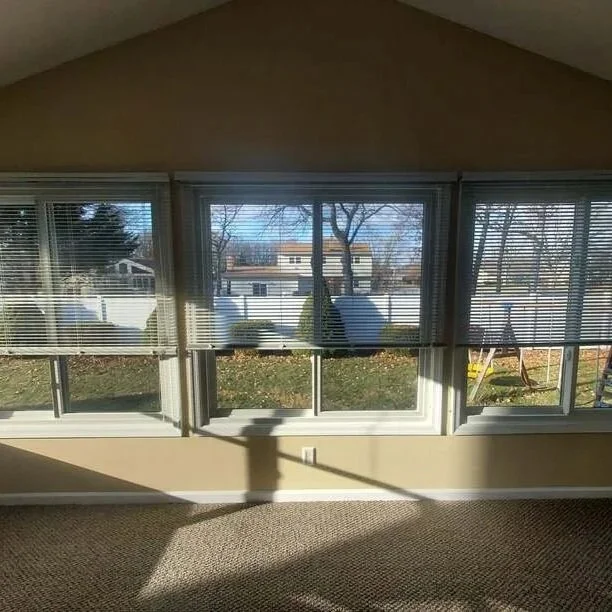
Even in a bright, window filled room, a clean white chair rail adds a layer of architectural definition that pulls the whole space together.
Chair rails are one of those design elements that manage to be both practical and stylish, like the friend who can dress up for a gala but still fix your leaky faucet. They protect your walls from the constant bumps and scuffs of daily life, but they also bring a touch of elegance that transforms plain surfaces into polished focal points. When installed by experienced professionals, a chair rail becomes more than just trim. It is a design statement that blends function with timeless beauty.
The key to achieving that seamless, “it’s-always-been-there” look is expertise. Skilled contractors and handymen know the secrets, such as how to measure accurately so every line is straight, how to place the rail at just the right height, and how to integrate it effortlessly with your existing architectural details. They make the difference between “just nailed to the wall” and “absolutely stunning.”
Historical Significance and Modern Applications
Chair rails have a long and storied history. Originally, they were not meant to be decorative at all. They were practical workhorses, installed in formal dining rooms and busy halls to protect walls from the backs of chairs, which is where the name comes from. In grand historic homes, they were often paired with wainscoting for added durability and style.
Fast forward to today, and chair rails have evolved far beyond their protective role. They are used to create visual interest, divide wall spaces for two-tone paint schemes, and even redefine the proportions of a room. Professional contractors can blend the charm of traditional design with a modern sensibility, ensuring the installation complements your home’s character while fitting seamlessly into contemporary interiors. Whether in a dining room, hallway, office, or bedroom, the right chair rail installation feels intentional and well-crafted.
Professional Measurement and Planning
Before a single cut is made, the pros are already thinking ten steps ahead. Measurement and planning are not just about grabbing a tape measure. They involve studying the room’s proportions, noting where windows and doors break up wall space, and understanding how the new rail can interact with existing trim.
Licensed contractors know that floors are rarely perfectly level and walls often have subtle curves or imperfections. They account for these details before installation even begins, ensuring the rail sits straight and visually balanced from every angle. Proper planning also means determining the best placement to maximize both aesthetics and functionality, which is an art form in itself.
Material Selection and Quality Considerations
Not all chair rails are created equal, and material choice is a big part of the design’s success. Hardwood brings warmth and traditional charm, while MDF offers a smooth, paint-ready surface at a lower cost. Composite materials can stand up to moisture and humidity, making them ideal for bathrooms or kitchens.
Experienced contractors can guide you through the options, weighing factors like durability, maintenance, and how each material can complement the room’s existing décor. They also understand the nuances of finishing each type, whether it is staining oak for a rich, classic look or painting MDF to match a modern palette.
Height Placement and Visual Balance
The height of a chair rail is more than a measurement. It is a visual decision that affects the entire feel of the room. Too high and it can make the space feel cramped. Too low and it might look awkward or out of place.
Professional installers take into account ceiling height, furniture placement, and architectural elements like window sills when determining the perfect height. The result is a balanced look that enhances the room’s proportions. With their experience, they achieve consistent leveling throughout, avoiding the small but noticeable dips and rises that can happen in DIY attempts.
Corner Treatment and Transition Expertise
Corners and transitions can make or break the finished look of a chair rail. Professionals handle these with precision, cutting clean, sharp angles and using joining techniques that make seams virtually disappear.
Whether it is an inside corner, an outside corner, or a tricky transition around a window frame, skilled handymen have the tools and know-how to make it look effortless. This attention to detail ensures the chair rail feels like an intentional part of the room’s architecture rather than an afterthought.
Wall Preparation and Surface Requirements
Even the most beautiful chair rail may not look right if the wall beneath it is not properly prepared. Professional installers start by checking for imperfections such as dents, bumps, or uneven surfaces that could cause gaps. They repair or smooth these areas before installation to ensure a flush fit.
They also determine the best mounting method for your wall type, whether it is drywall, plaster, or paneling. This preparation improves the final look and ensures the rail stays securely in place for years.
Integration with Existing Trim Work
Chair rails rarely live in isolation. They often meet baseboards, crown molding, door casings, or window trim. A professional knows how to match styles and profiles so everything works together in harmony.
It is not just about avoiding awkward gaps. It is about creating a cohesive design that feels intentional. With careful alignment and spacing, the new chair rail looks like it has been part of the home from the very beginning.
Paint and Finish Applications
Once the rail is installed, the finishing touches bring it to life. Professional handymen excel at preparing the surface, applying primer, and adding the final coat of paint or stain. The choice between a high-gloss finish for a formal room or a soft matte for a cozy space can dramatically change the overall effect.
The right finish enhances beauty and protects the rail from wear. Professionals know which products perform best for different materials and environments, ensuring your investment stays looking fresh.
Custom Solutions for Unique Spaces
Not every room is straightforward. Some have curved walls, unusual angles, or architectural features that make standard installation tricky. That is where professional creativity shines.
Experienced contractors can custom-shape rails, use flexible materials for curves, and adapt mounting techniques for nonstandard surfaces. In challenging situations, they often create custom pieces from scratch, blending artistry with craftsmanship.
Protection of Existing Finishes
Chair rail installation involves tools, adhesives, and sometimes sawdust, all things that can threaten your floors, walls, and furnishings. Professional contractors take precautions, using drop cloths, protective covers, and careful handling to avoid damage.
They also clean up thoroughly once the job is done, leaving your home looking better than when they arrived, with the addition of a stunning new chair rail, of course.
Electrical and Utility Considerations
Walls are not just surfaces. They often contain outlets, switches, and wiring that need to be worked around. Professional installers plan cuts carefully so the rail fits neatly around these features without disrupting the flow of the design.
They also follow proper safety procedures when working near electrical components, ensuring that the project stays both beautiful and safe.
Long-Term Maintenance Considerations
A well-installed chair rail should look good for decades, but smart design choices can make upkeep even easier. Professionals select materials and mounting methods that allow for simple repairs or touch-ups in the future.
They also provide guidance on how to care for the rail, such as what cleaning products to use, how to avoid warping or fading, and when to consider refinishing.
Value Addition Through Professional Installation
While a chair rail might seem like a small detail, it can make a big difference in the perceived value of a space. A professionally installed rail enhances both the aesthetics and the functionality of a room, protecting walls while adding a layer of refinement.
For homeowners, this can mean better resale appeal. For businesses, it can create a more polished and welcoming environment for clients. In either case, the craftsmanship and attention to detail provided by experienced contractors deliver lasting benefits.
Chair rails might have humble beginnings, but in the right hands, they become a design feature that blends tradition, function, and style. When installed by skilled professionals, they do more than protect your walls. They elevate your entire space. Through meticulous planning, careful material selection, and flawless execution, a simple piece of trim becomes an elegant finishing touch that ties a room together.
Precision Home Worx offers quality decks and porches, general carpentry and interior work, roof and exterior repairs, specialty and maintenance services, and plumbing and drainssolutions in Claymont, DE, and surrounding areas. Call us today for a free estimate/consultation. Our fully licensed and insured professionals deliver the best results. Get one-year warranty, reliable and prompt solutions, and competitive pricing with free estimates. Call now!


