
Our Blog

Kitchen Refresh vs. Full Remodel: What Actually Changes
A kitchen can look tired for a dozen different reasons, and not all of them need the same fix.
Grab Bars That Actually Hold Up When It Counts
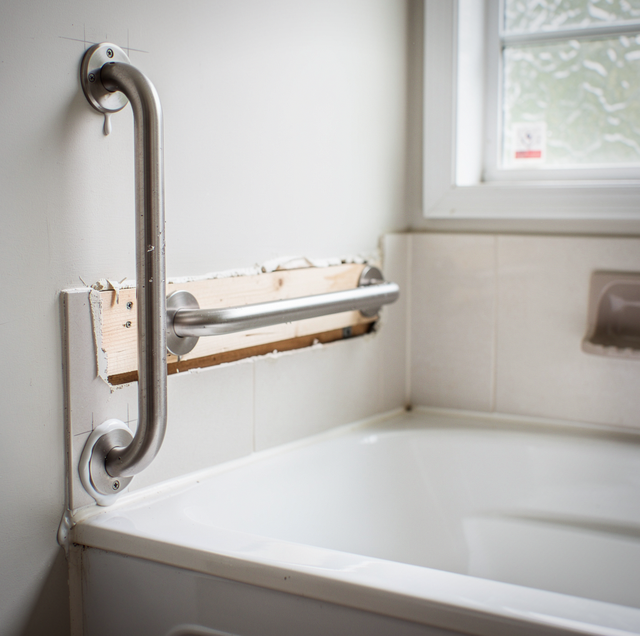
There is a stubborn idea that any grab bar, as long as it's labeled "grab bar" and screwed to the wall, will hold a person's weight in an emergency.
Door Won’t Latch or Stay Shut? 5 Fixes That Actually Work
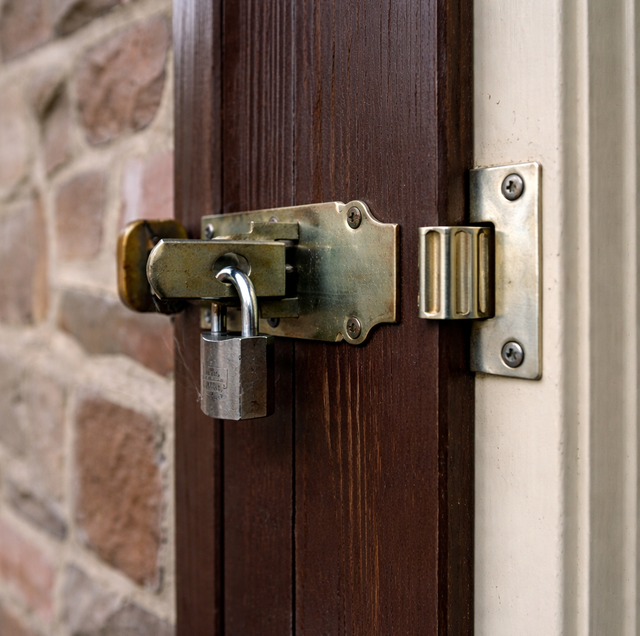
A door that won't stay shut has almost nothing to do with the knob and almost everything to do with alignment.
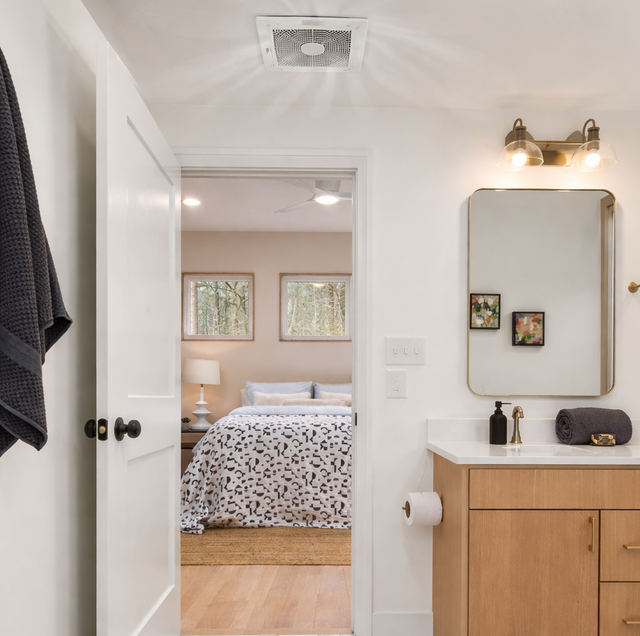
Bathroom Fan Not Clearing Steam? 8 Reasons to Check
The fan whirs on cue every time you flip the switch, so you assume it is doing its job.
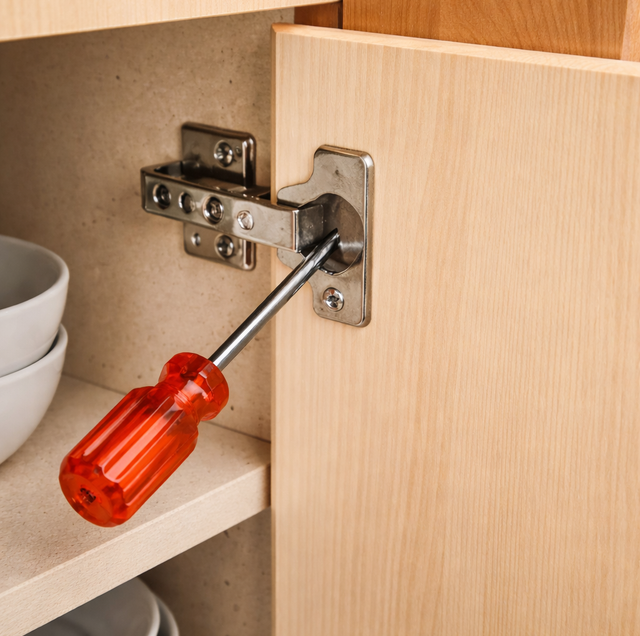
Why Cabinet Doors Sag and Won’t Close: 6 Fixes
A door that once closed flush and now hangs off-square, rubs the door beside it, or swings back open is rarely the door's fault alone.
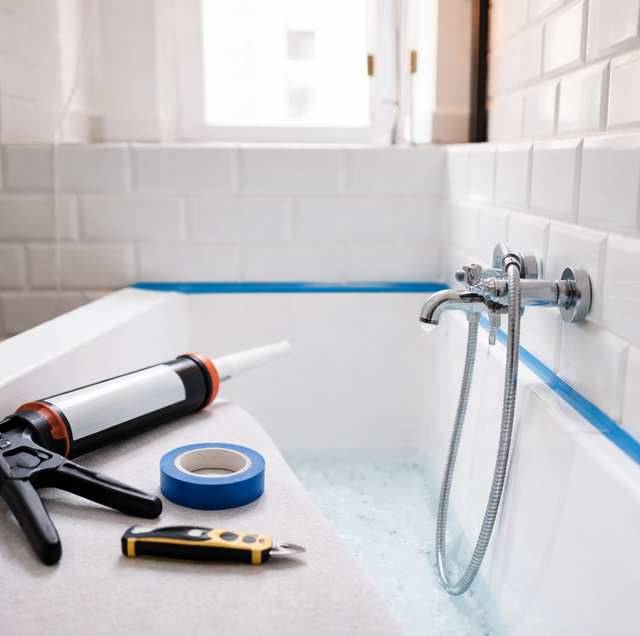
How to Re-Caulk a Tub or Shower for a Watertight Seal
The thin line of caulk where your tub meets the wall, or where the shower base meets the tile, is doing more work than it looks.
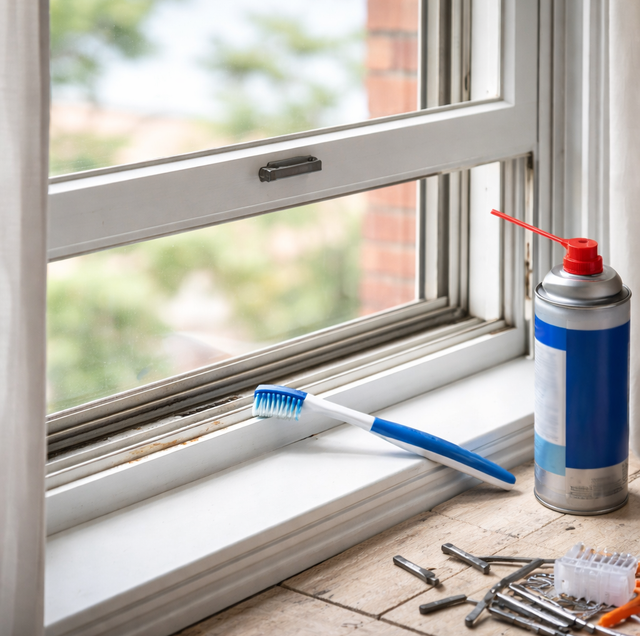
Why a Window Sticks or Won’t Stay Up, and How to Fix It
A window that fights you every time you open it, or one that creeps shut the moment you let go, rarely means the whole unit is failing.
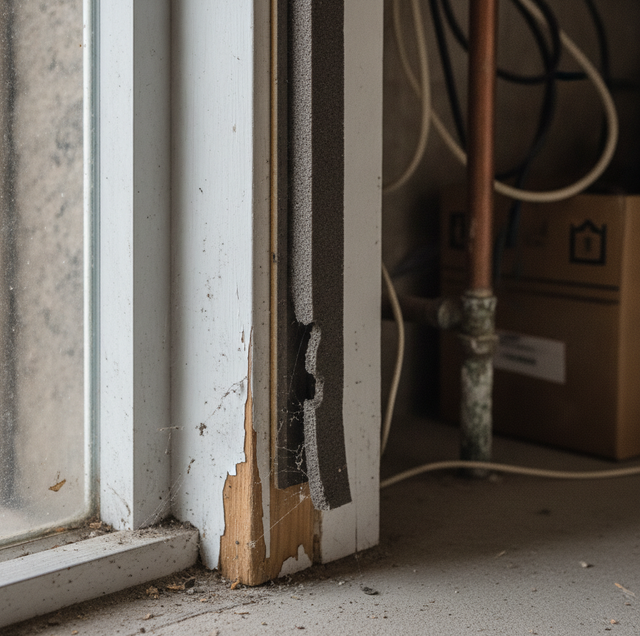
Why Cold Air Comes in Around Doors and Windows
You close the door, you lock the window, and you can still feel a thread of moving air against the back of your hand. That draft is not your imagination, and it is not a sign that the whole door or window has failed. It means one specific seal in the assembly has stopped doing its job, and air is slipping through the gap that opened. The good news is that most of those gaps are small, cheap to close, and easy to find once you know what you are looking for.
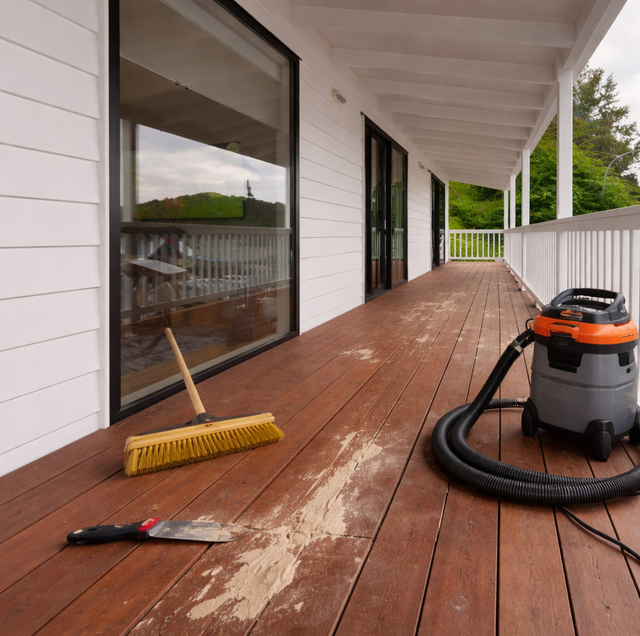
Wood Deck Maintenance Checklist: What to Do Each Season
Two decks, same age, same lumber, built by the same crew in the same week.
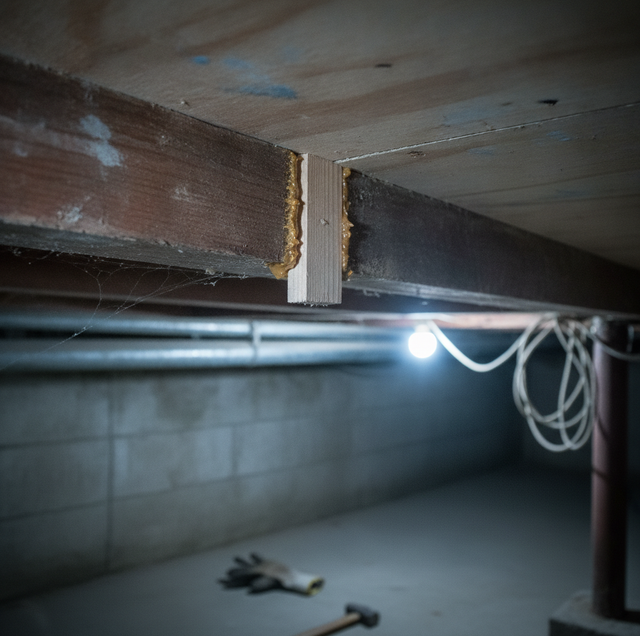
Why Do My Floors Squeak, and Can It Be Fixed?
Most houses have that one board that reports every late-night trip to the kitchen. The sound feels random, but it never is. A squeak is friction, and once you know which two pieces are rubbing beneath your feet, both the cause and the repair stop being a mystery. You are hearing a small, specific movement, and small, specific movements can be stopped.
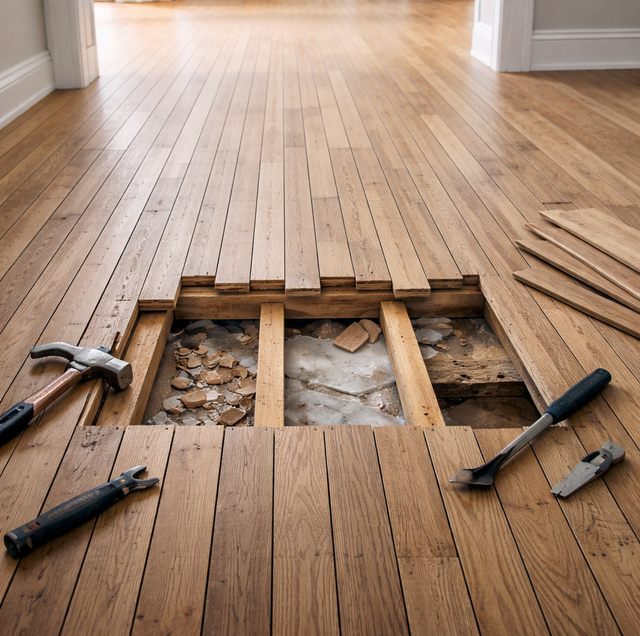
Uneven or Soft Floor Spot? Why They’re Not the Same Fix
Walking across it on an ordinary day, you notice a spot that doesn't feel like the rest of the floor around it.
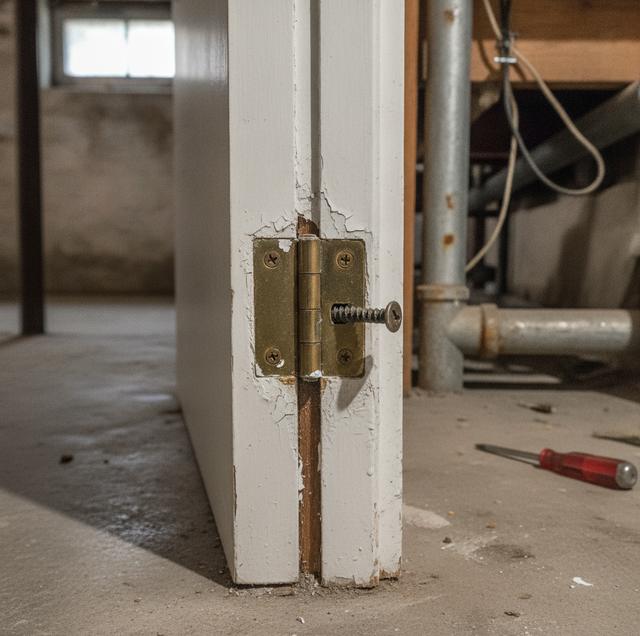
Why Do My Interior Doors Stick or Won't Latch? 6 Fixable Causes
An interior door is a rectangle hung inside another rectangle, and it only swings cleanly while both stay square to each other. The moment one corner shifts, wood meets wood where it used to have clearance, and you get the drag, the scrape, or the latch that clicks past the strike without catching. The good news is that the door itself is usually telling you what went wrong. The spot where it rubs, and whether the trouble comes and goes or gets steadily worse, points straight at the cause. Match the fix to that cause, and the door swings free again. Guess wrong, and you can plane a perfectly good door down to a permanent gap.
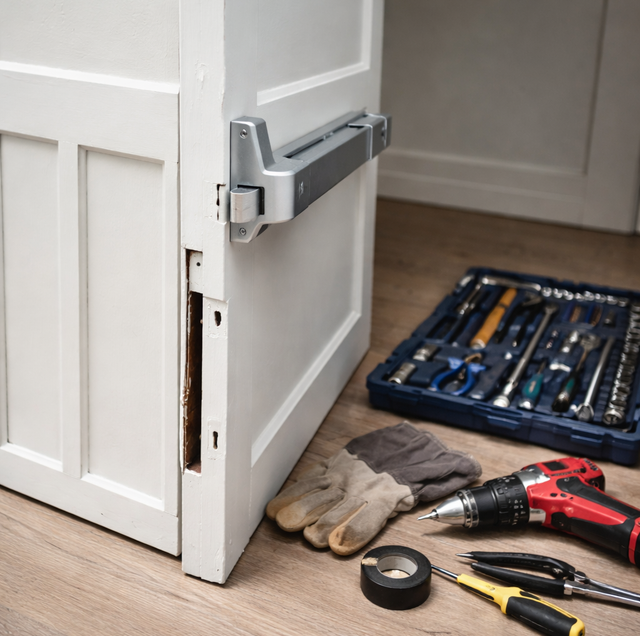
Why One Handyman Beats Juggling Five Different Trades
Homeowners tend to sort a repair list by trade before they sort it by anything else.
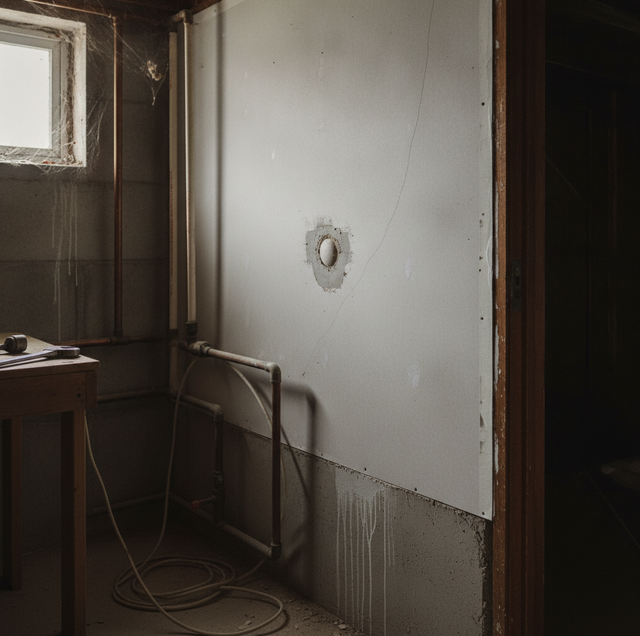
What Causes Nail Pops and Cracks in Drywall? 6 Real Reasons
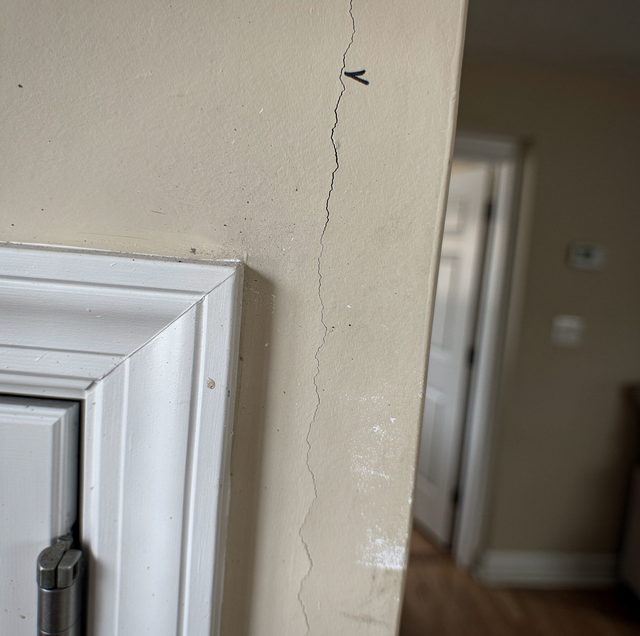
Run your hand across a wall in good light, and you can often feel it before you see it: a small, round bump under the paint, or a fine line creeping down from the top corner of a doorway. Those two blemishes, nail pops and cracks, are the most common complaints homeowners have about interior walls, and they almost always trace back to the same root idea. The wood behind your drywall is not sitting still. It moves, and the rigid gypsum panel fastened to it either loses its grip on a fastener or splits where the stress collects.
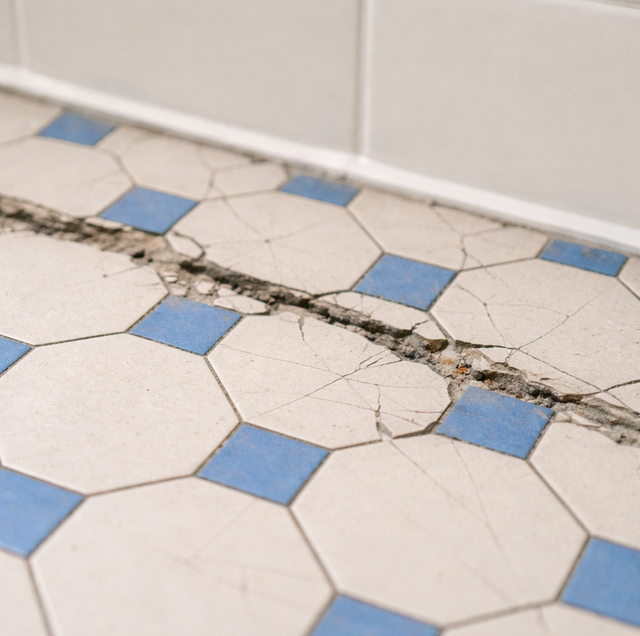
Why Grout Cracks and Crumbles: Normal Wear or Bigger Problem?
Grout is a rigid, porous material troweled into a joint that never actually stops moving.
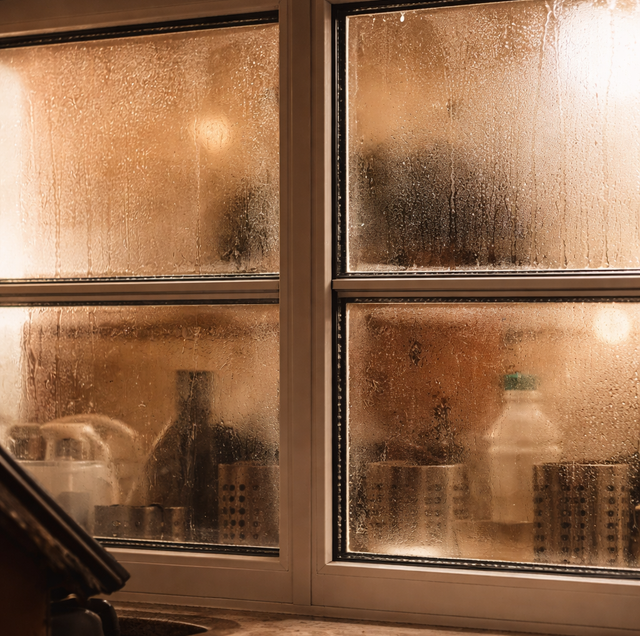
Windows Fogging Between the Panes: What It Actually Means
The glass looks clean from a few feet away, and it looked just as clean when you wiped it down last weekend.
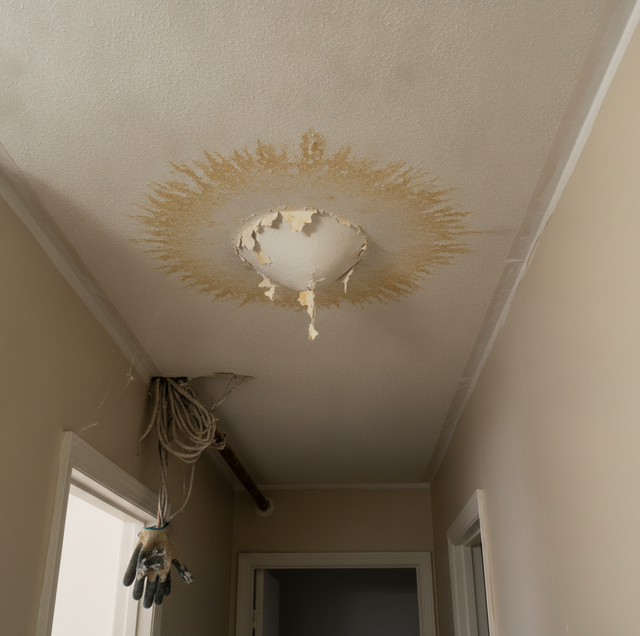
How to Spot Water Damage Before It Turns Into a Big Repair
Water finds the cheapest path down and the slowest path out. That combination is exactly why a small leak stays hidden for weeks before anything shows on the surface, and it is also why water damage is one of the least expensive problems in a house to fix if you catch it in the first stage. A damp spot on drywall is a repair that can be measured in an afternoon. The same leak, ignored through a full cycle of wetting and drying, rots the framing behind the wall, feeds mold into the cavity, and eventually leads to structural damage. The gap between those two outcomes is almost entirely about how early you noticed.
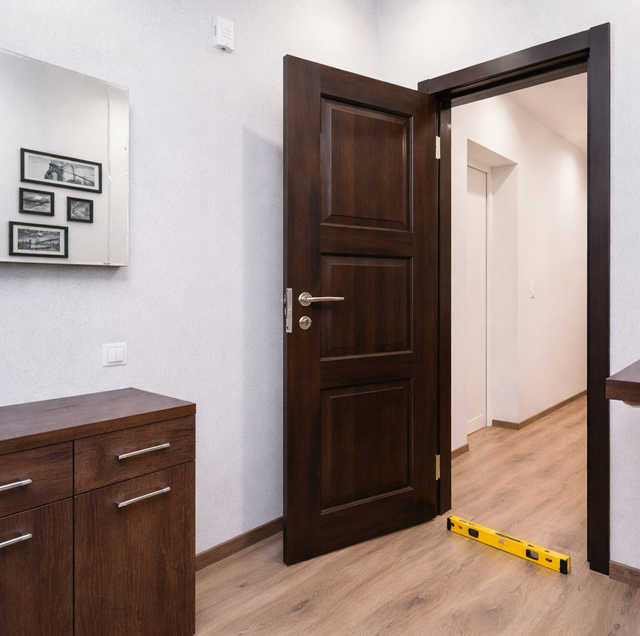
Why Do Doors Swing Open or Shut on Their Own? The Real Cause
Finding a door swung shut and latched on its own some morning, with no draft in the house and nobody who slammed it, is the kind of thing that makes an older home feel like something's wrong with the foundation.
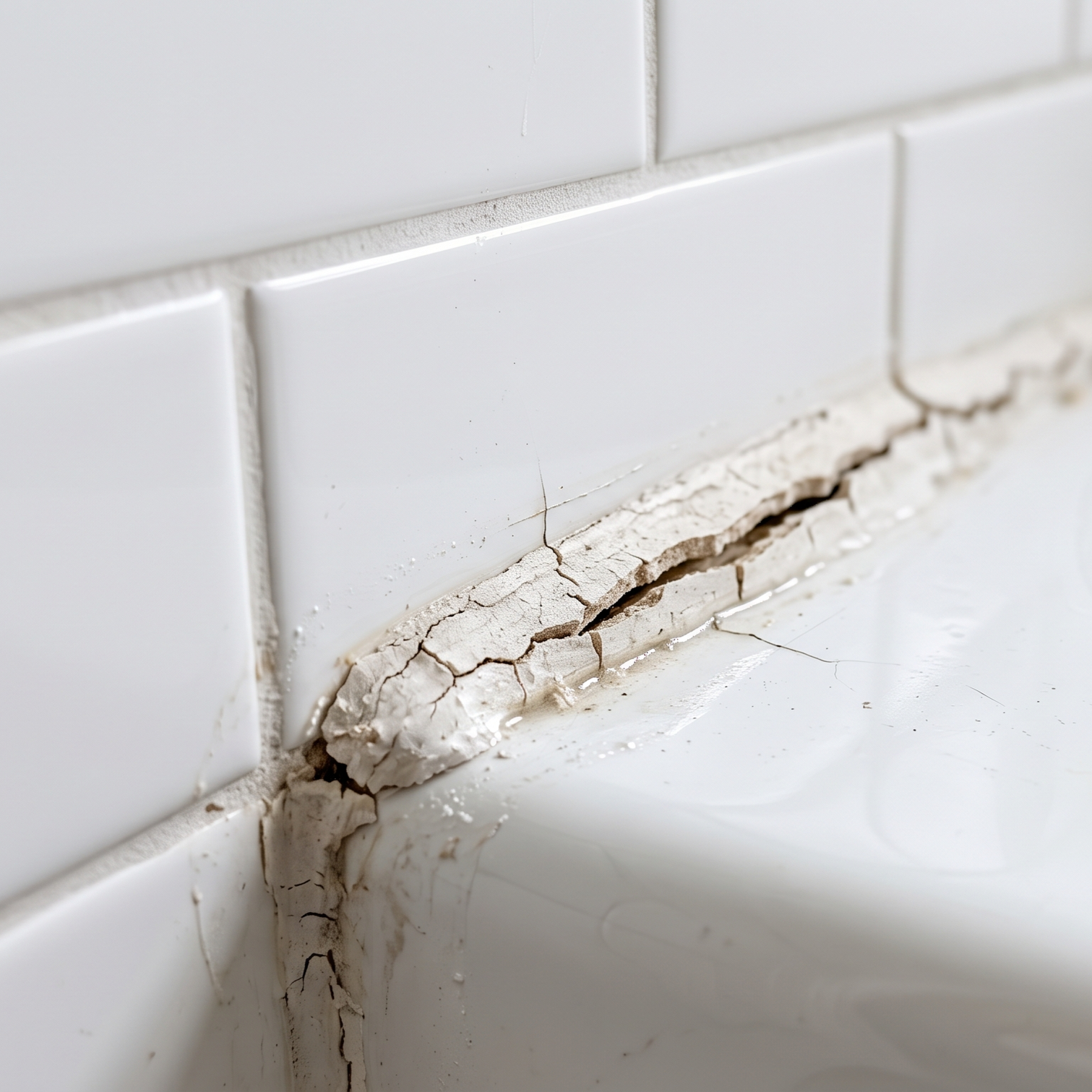
Why Your Caulk Keeps Cracking Around Windows and Tubs
You notice it during a shower or while cleaning the windowsill — the once-smooth bead of caulk has cracked, split, or pulled away from the surface, leaving a thin gap. It seems minor, and that's exactly why it gets ignored. But caulk is a water seal, and a cracked seal is an open invitation for moisture to get where it does real damage. Understanding why caulk cracks explains both why it's so common and why it's worth fixing promptly, especially around windows and tubs where water is always nearby.

