

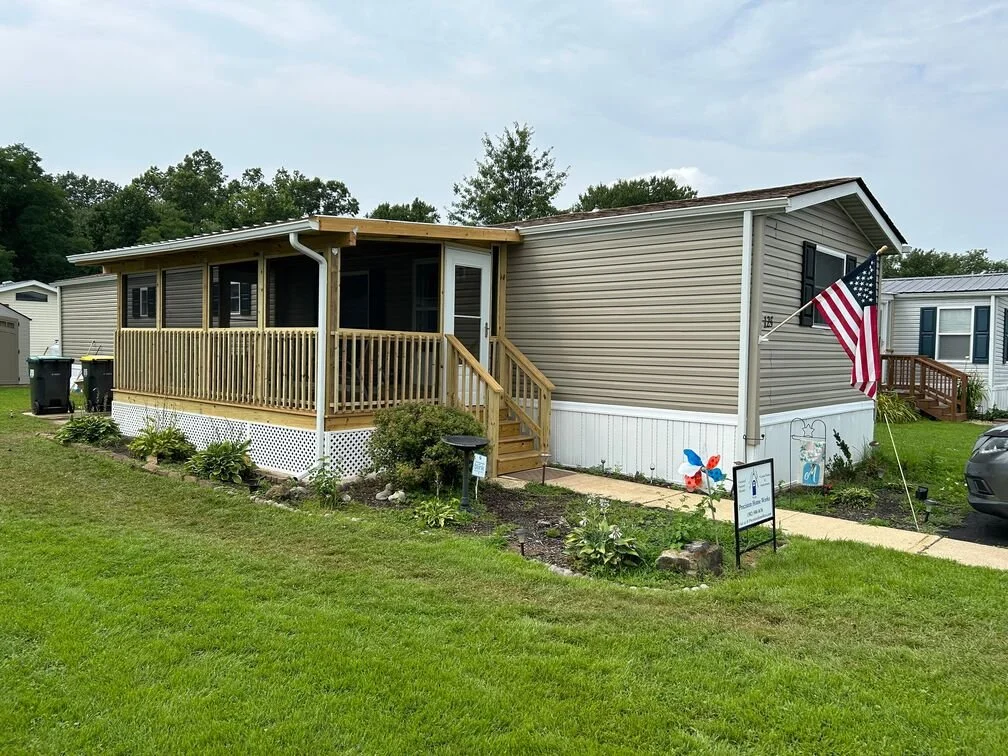
Wilmington Home Repair, Remodeling & Window Replacement
From Trolley Square row homes to Westover Hills mid-centuries, from Brandywine Hundred splits to Highlands Victorians — Precision Home Worx has worked on virtually every kind of home Wilmington has.

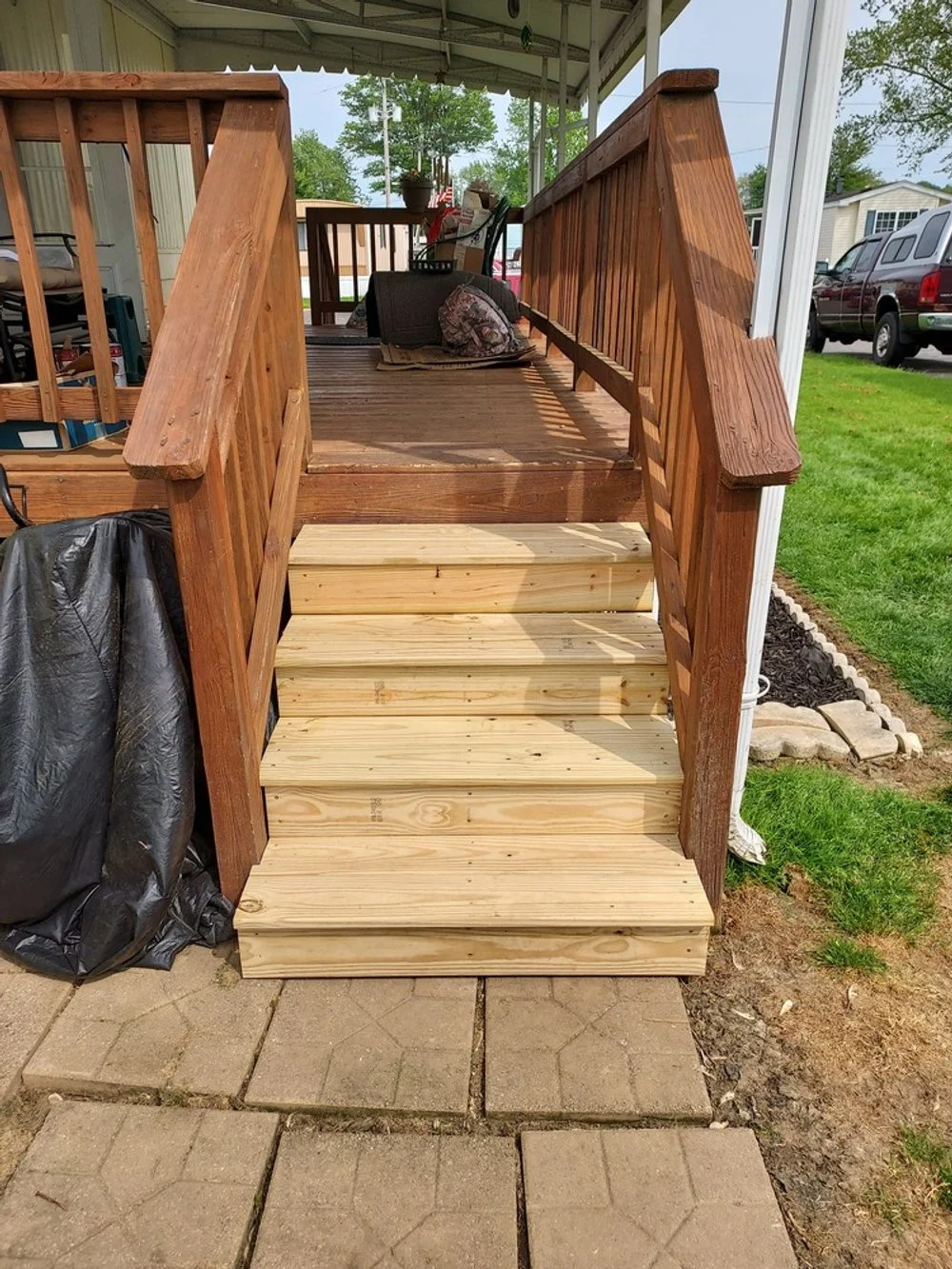

Wilmington is our anchor market. It's the city we know best, the city most of our customers live in, and the city whose housing stock we've spent more than three decades getting fluent in. We don't treat Wilmington as a generic "service area." We treat it neighborhood by neighborhood — because a 1908 Highlands Victorian needs a different set of decisions than a 1962 Westover Hills mid-century, and both need different decisions than a 1985 Brandywine Hundred split with polybutylene supply lines.
This page is what we know about Wilmington homes — by neighborhood, by housing era, by the constraints that show up over and over once you've worked in a city long enough. If your home is here, this page will tell you whether we're the right contractor for what you're trying to do.
Why Wilmington Homeowners Hire Us
Wilmington is full of contractors. National handyman franchises with TV ads. Big-box installers with weekend showroom hours. Local one-truck operators. Every band of the market is represented, which is good for homeowners and tough for contractors who try to win on price alone.
We don't win on price. We win on city-specific knowledge that national templates and out-of-town crews can't match:
We Know Which Highlands Blocks Fall Inside the HDC Overlay and Which Don't
Highlands isn't uniformly historic. Some blocks fall inside the Highlands Historic District Commission overlay; others sit just outside it. The difference matters: a vinyl-on-vinyl window replacement that flies on Delaware Avenue may get flagged on Adams Street one block over. We've handled this conversation enough times to know — at the estimate visit, before you spend money on materials — whether your project needs HDC review and what's likely to fly when it does.
We've Solved the Trolley Square Refrigerator-Delivery Problem
Trolley Square row homes have narrow back stairs that won't fit a modern French-door refrigerator. We've seen homeowners spend $4,000 on an appliance only to find out it can't get to the kitchen. On row-home kitchen remodels in Trolley Square, Forty Acres, and Hedgeville, we plan the demo path and appliance delivery sequence as part of the estimate — sometimes that means partial removal of an interior wall, sometimes routing through the front-room window. Either way, the conversation happens before you order the appliance, not after.
We Follow Lead-Safe (EPA RRP) Practices on Pre-1978 Homes
Wilmington has one of the highest pre-1978 housing shares of any city in the region. In Trolley Square, Highlands, Forty Acres, and large parts of central Wilmington, the assumption on any interior paint or demolition project should be that lead-paint protocols are required. We follow lead-safe work practices on pre-1978 homes — containment, HEPA vacuuming, wet cleaning, and proper waste handling. This isn't a marketing line. It's how the work has to be done in this city.
What Wilmington Customers Say About Working With Us
This testimonial came from a Wilmington-area homeowner after a multi-trade project that touched insulation, drywall, paint, and plumbing work — exactly the kind of multi-scope job that's typical in older Wilmington housing where one project tends to surface the next:
“Precision performed insulation, drywall, paint, and plumbing work in my house. Outstanding experience from initial visit, to the quote, and the work performed. They were on time, very careful, communicated well, did the work in a professional manner, and cleaned up wonderfully. I intend to use Precision on other upcoming projects and highly recommend them.”
— C.B.R., Wilmington area
This isn't a polished marketing testimonial. It's what a homeowner wrote unprompted after their first multi-trade project with us — and the line we care about most is the one at the end about intending to use us on future projects. That's the kind of compounding work relationship we aim for on every Wilmington job.
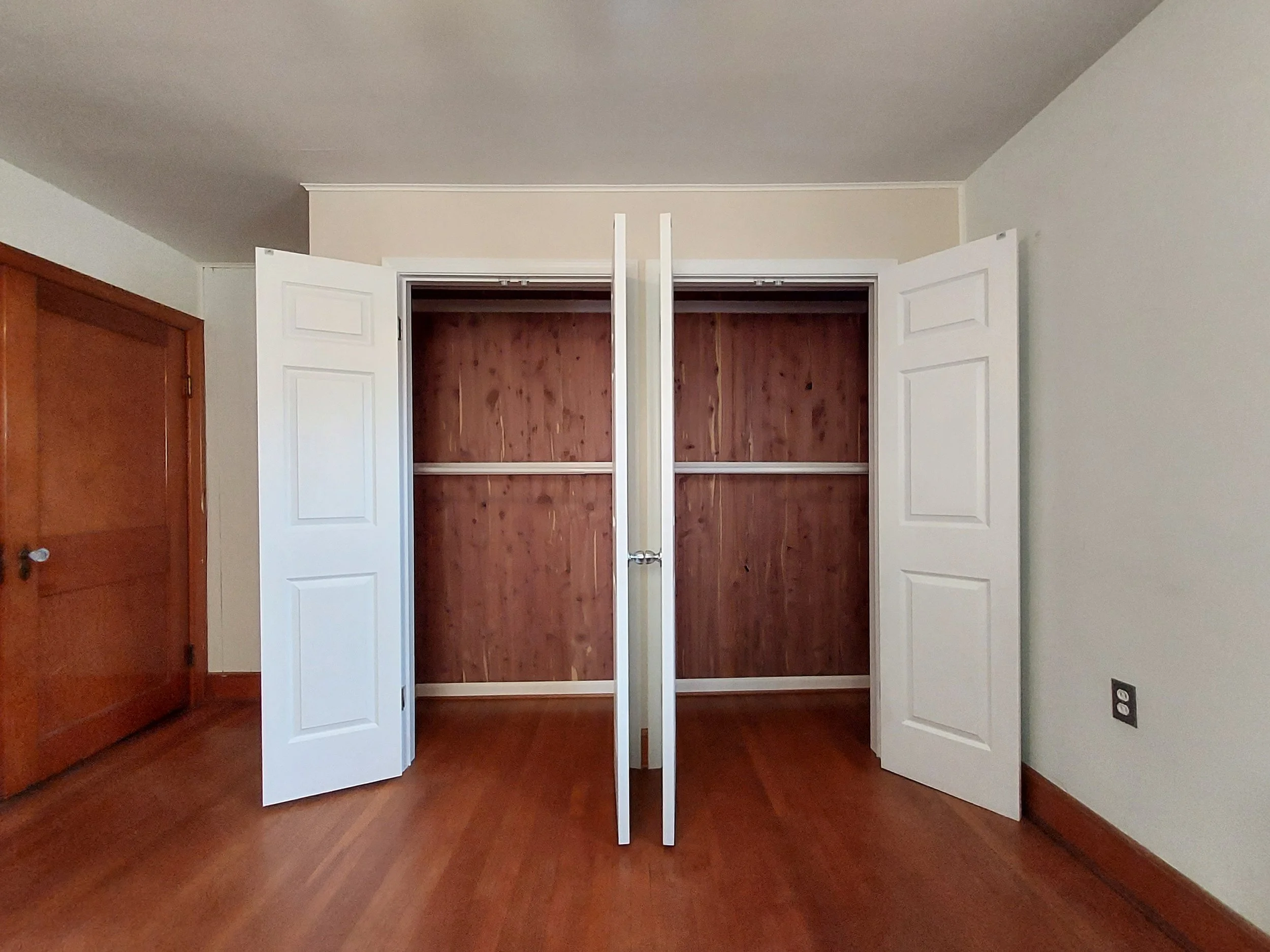
Wilmington Neighborhoods We Work In
We work across Wilmington and its inner-ring neighborhoods — the historic core, the Brandywine Hundred corridor, the West End, and the mid-century pockets to the north and west. Organized by character:
Historic core & near-downtown (ZIPs 19801, 19802, 19805, 19806)
Trolley Square — late-1800s and early-1900s row homes, mostly brick with original plaster and cast-iron drain stacks. Narrow back stairs. Some original wood windows still in service.
Highlands — Victorians and large early-1900s singles. HDC overlay applies to portions, not all.
Forty Acres — dense row-home blocks, similar housing era to Trolley Square; alley-access logistics vary block to block.
Hedgeville / West End — late-1800s through 1920s row homes, mixed condition.
Wawaset Park — historic single-family neighborhood, early-20th-century planned community.
North Wilmington & Brandywine Hundred corridor (ZIPs 19803, 19809)
Brandywine Hundred — a broad area covering many sub-neighborhoods. Generally, 1950s-1980s splits, ranches, and colonials on quarter-to-half-acre lots.
Brandywine Hills — 1950s-1960s ranches. Supply systems are often copper or polybutylene, depending on build year.
Carrcroft / Tavistock Carrcroft — post-war and mid-century, well-kept, larger lots.
Sharpley — 1960s-1970s, brick ranches and colonials, established trees.
Fairfax — mid-century and slightly newer; mix of ranches and split-levels.
Graylyn Crest — established mid-century neighborhood; we are a preferred vendor here.
Chalfonte — 1960s splits and ranches.
Northminster — mid-century to 1970s singles.
Woodbrook — 1960s singles and splits.
Blue Rock Manor — established mid-century.
Windy Bush — wooded lots, older single-family.
West-side & estate-adjacent neighborhoods (ZIPs 19806, 19807)
Westover Hills — mid-century moderns and ranches, larger lots, premium market.
Hilltop — older single-family on the western slope above the Brandywine.
Arden — historic single-tax community along the Brandywine, mix of 1900s-1930s singles and cottages.
Not sure which neighborhood category your home falls into? Call us at (302) 321-3577. After 30+ years in Wilmington, we recognize most of these streets by sight and can talk through what to expect before we even come out for the estimate.
Our Reviews
The Wilmington Housing Stock — What We See in Your Home
Wilmington homes break into four broad housing eras. Each comes with its own set of likely issues:
Pre-1930 Row Homes and Victorians (Trolley Square, Highlands, Forty Acres, Hedgeville)
What we see most:
Original wood double-hung windows with rotted sash cords and failed glazing putty; cast-iron drain stacks at the end of their service life; original galvanized supply lines turning brown water in the morning; plaster-and-lath walls; narrow stairwells that complicate large-fixture and appliance delivery; original tile bathrooms with hex floors and pink/green tile that customers either love or want gone; some homes still on knob-and-tube electrical in attic spaces.
What's tricky:
Historic-district overlays in parts of Highlands and the West End mean some exterior changes (window profiles, door styles, siding) require review. We've navigated these conversations many times and can usually tell you up front what's likely to fly and what isn't.
Most-requested services:
Window restoration vs. full replacement decisions, full bathroom remodels with substrate rebuilds, kitchen remodels that work around historic floor plans and narrow stairs, drain-stack and supply-line replacement, lead-safe (RRP) interior painting.
1930s–1950s Singles and Early Ranches (Westover Hills, Wawaset Park, Parts of Highlands)
What we see most:
Original wood windows (often Andersen or Pella from before the modern vinyl era), copper supply lines, cast-iron drains transitioning to PVC at some point in the home's history, plaster walls slowly giving way to drywall patches, original hardwood floors under three layers of vinyl or carpet.
What's tricky:
These homes were built to last but with techniques that today's contractors aren't always familiar with. Plaster wall repairs done with drywall mud don't hold up; original window restorations require a real understanding of historic glazing.
1950s–1980s Ranches, Splits, and Colonials (Most of Brandywine Hundred)
What we see most:
Original copper supply (sound), polybutylene supply runs in homes built between roughly 1978 and the mid-1990s (failure-prone), original aluminum or older vinyl replacement windows reaching the end of their life, original kitchens and bathrooms that homeowners are ready to refresh.
What's tricky:
Load-bearing walls in 1950s-1960s ranches are often interior walls — meaning an open-concept renovation needs proper structural planning. We do the engineering coordination as part of the project, not as a homeowner's homework.
1980s–2000s Newer Construction (Brandywine Hundred Edges, Parts of Arden, Scattered Infill)
What we see most:
Vinyl replacement windows reaching the end of factory warranties, original deck wood beginning to rot at the substructure, kitchens dating themselves at 25-30 years, original 1990s tile work showing wear in wet areas.
What's predictable:
These homes generally have modern construction techniques and predictable behind-the-wall conditions, which means estimates are more accurate and timelines are more reliable.
What Wilmington Projects Typically Cost
Wilmington project costs vary more by housing era than by neighborhood. The same scope of bathroom remodel costs noticeably more in a 1908 Trolley Square row home than in a 1995 Brandywine Hundred colonial — because the row-home version usually involves substrate rebuild, plaster repair, narrow-stair material logistics, and lead-safe protocols that the colonial version doesn't. Typical ranges, in our actual job mix:
Pre-1930 Row Home Full Bath Remodel
Generally $18,000–$28,000. Substrate rebuild, lead-safe practices on pre-1978 paint, narrow-stair fixture logistics, and original cast iron drain replacement when needed.
1950s–1980s Brandywine Hundred Full Bath Remodel
Generally $14,000–$22,000. Predictable substrate, often with polybutylene supply replacement if the home falls in the 1978–mid-1990s build window.
Pre-1930 Row Home Full Kitchen Remodel
Generally $40,000–$70,000. Working around narrow back stairs, original plaster, load-bearing interior walls, and appliance-delivery constraints.
1950s–1980s Brandywine Hundred Full Kitchen Remodel
Generally $35,000–$60,000. Often involves opening up between the kitchen and dining room (structural engineering coordination included).
Whole-Home Window Replacement (8–12 Windows)
Generally $14,000–$22,000, depending on brand tie.
Front Door + Storm Door Replacement
Generally $2,500–$5,500 for full unit, including transom restoration on Wilmington row homes; $800–$2,500 for slab-only replacement on Brandywine Hundred mid-centuries.
Important Pricing Note
These are ranges, not quotes. Every project gets a real estimate after an in-home visit — the ranges above are useful for budget calibration, but they aren't pricing commitments. Lead-safe protocols, structural surprises, and selection-tier choices all move the final number.
Most-Requested Services in Wilmington
We do general home repairs and improvements — the full scope. Here's what Wilmington homeowners ask for most often, with the constraints we plan around for each:
Wilmington's older housing stock makes it our strongest market for whole-home window jobs. In Highlands and pockets of the West End, HDC overlay rules may require in-kind restoration of wood double-hung windows rather than vinyl. In Brandywine Hundred, the conversation is usually replacing failed mid-1990s and early-2000s vinyl units.
Wilmington kitchen and bath remodels work around housing-era constraints. In Trolley Square row homes, the narrow back stairs are the binding constraint on appliance delivery. In Brandywine Hundred mid-century ranches, the binding constraint is the interior load-bearing wall between the kitchen and dining room.
Polybutylene supply lines in the 1980s and early 1990s Brandywine Hundred homes are one of the most common conversations we have. In pre-1930 row homes, the parallel issue is cast-iron drain stacks at end of life — usually paired with bath remodel work.
Wilmington row homes have door scenarios that don't show up in suburban work: narrow openings, transoms that need restoration rather than replacement, HDC aesthetic constraints in Highlands. Brandywine Hundred is simpler — slab replacements and full unit swaps.
We are not a licensed electrical contractor in Delaware. Within the maintenance scope — outlets, switches, fixtures, smart switches — we do this work all over Wilmington. We won't tie new circuits into existing knob-and-tube in pre-1930 attic runs; for service-panel work, we coordinate with a licensed electrician.
Brandywine Hundred is a stronghold for deck work — 1990s pressure-treated decks are now reaching the point where the substructure is rotting, even when the deck boards still look fine. Composite (Trex/TimberTech), pressure-treated, full porch enclosures.
In Highlands Victorians, we match existing trim profiles rather than mixing modern stock with original. In Westover Hills mid-century moderns, the direction goes the other way — clean lines, integrated storage, period-appropriate hardware.
Hardwood patches and refinishes on original row-home oak floors. Subfloor replacement in Brandywine Hundred wet areas.
Soffit, fascia, exterior shutter installation (HOA-compliant), wallpaper removal in pre-1930 plaster homes, trellis work, exterior paint with lead-safe protocols on pre-1978 homes, and power washing.
Wilmington's Historic Districts — What Actually Affects Your Project
Wilmington has several named historic districts and overlays, the most relevant for residential work being:
Highlands Historic District (Highlands HDC)
Covers portions of the Highlands neighborhood, particularly along Delaware Avenue and side streets to the south. Not every Highlands address falls inside the overlay — some blocks just outside the boundary are exempt. If your address is in the overlay, exterior changes (window profiles, door styles, siding, paint colors on street-visible surfaces, roofing materials) typically require HDC review. Interior work is generally unaffected.
West End / Triangle District
Smaller overlay covering portions of the West End. Similar rules apply: exterior changes get reviewed, interior work generally doesn't.
National Register vs. local HDC
Some Wilmington neighborhoods are on the National Register of Historic Places but don't have local HDC overlay enforcement (Wawaset Park is the most common example). National Register status doesn't impose change restrictions — it's a designation, not a regulation. Local HDC overlay is what actually affects your project.
What flies vs. what gets flagged in Highlands HDC
Patterns we've seen across multiple Highlands projects:
In-kind wood double-hung restoration:
almost always approved.
Wood replacement windows with historically appropriate profiles:
usually approved with documentation.
Vinyl-on-vinyl replacement:
usually flagged. Like-with-like on a home that already had approved vinyl may fly; new vinyl on a home that's never had it is much harder.
Modern aluminum-clad windows:
usually flagged. Composite siding and front-door style changes get case-by-case review.
Realistic timelines
HDC review timelines typically run 4–12 weeks, depending on the commission meeting schedule, the completeness of the application, and whether the application requires revisions. Plan for the longer end of that range if your project is on a tight schedule — and we'll tell you at the estimate visit whether your scope is likely to need HDC review at all.
On the standard permit side, most of our work in Wilmington proper (plumbing repairs, fixture replacements, interior remodels) follows standard city building permit requirements when applicable. We pull permits as part of the job when the scope calls for it, not as an extra you have to coordinate.
Lead-Safe Practices on Wilmington's Pre-1978 Homes
Wilmington has one of the highest pre-1978 housing shares of any city in the Mid-Atlantic. In Trolley Square, Highlands, Forty Acres, Hedgeville, and large parts of central Wilmington, the working assumption on any interior demolition, sanding, or paint disturbance is that lead paint is present and that lead-safe work practices are required.
In practice, this means:
Containment of the Work Area
Containment of the work area with plastic sheeting before any sanding, scraping, or demo of painted surfaces.
Wet Methods for Paint Removal
Wet methods for paint removal, where feasible — dry sanding without containment generates dust that contaminates the rest of the home.
HEPA-Filtered Vacuum Cleanup
HEPA-filtered vacuum cleanup, not standard shop-vac cleanup, on every painted-surface disturbance.
Proper Disposal
Proper disposal of paint chips, dust, and demo debris.
Honest Disclosure to the Homeowner About Scope
Lead-safe practices add time and cost to a paint or demo project, but they protect your family from dust exposure during and after the work.
We follow lead-safe work practices on pre-1978 homes. This isn't a marketing line — it's how the work has to be done in a city with this much pre-war housing. If your home is in Trolley Square, Highlands, Forty Acres, or any pre-1978 Wilmington neighborhood, expect this conversation at the estimate visit.
55+ and Gated Community Work in Wilmington
Wilmington has a strong cluster of 55+ and gated communities — the kind of housing where homeowners are aging in place and looking for thoughtful, careful, low-disruption work. We've done a meaningful amount of work in:
Columbia Place
Village of Brandywine
Rockland Place
The Park at Foulkstone
Winterset Manufactured Home Community (we are a preferred vendor here)
Most of what we do in these communities is aging-in-place adaptation — grab bars in bathrooms, slip-resistant surface upgrades, threshold leveling, lever-handle door hardware swaps. We do not do stairlifts, exterior ramps, or walk-in tubs — for those, we refer to a specialist. We're transparent about that scope limit on the estimate visit.
If your community has a property management company that vets contractors, we've worked with several of them and are happy to provide a Certificate of Insurance and references on request.
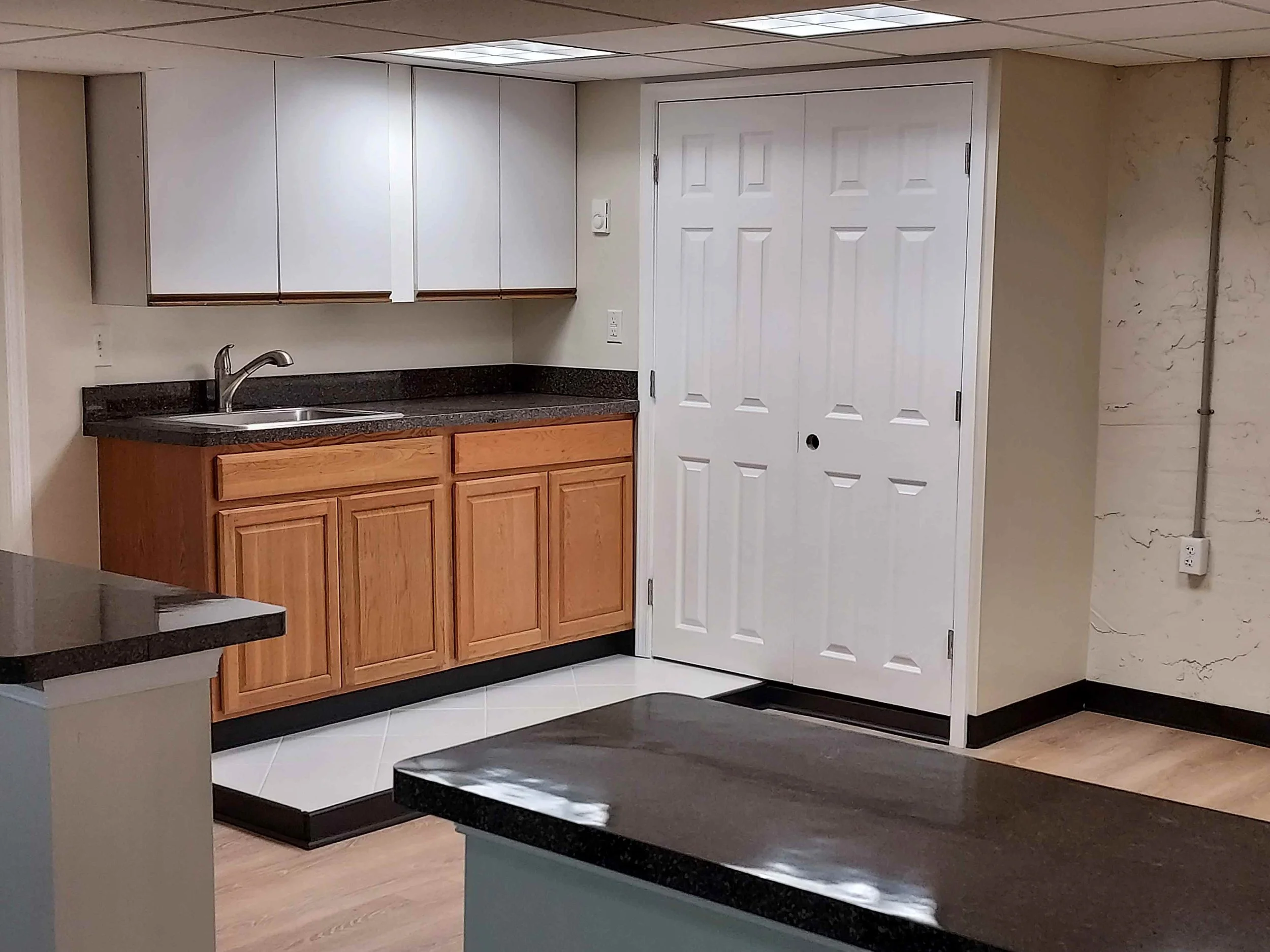
How We Know Wilmington
This isn't a city we drive into from somewhere else. We live here. Some of the small details that show up in our work:
We know which Highlands blocks fall inside the HDC overlay and which don't — same for the West End triangle.
We know that Trolley Square's route to Brandywine Park clogs on weekend mornings, so we schedule material deliveries earlier.
We know that Wawaset Park homes have historic-character constraints even without a local HDC overlay — most homeowners want work that matches the existing architectural language.
We know the Riverfront's parking and access pattern for condo and townhouse projects, and the architectural vernacular of the homes between Hagley Museum and the Brandywine River.
We know that Rodney Square corner blocks get the heaviest delivery-truck traffic and plan material drops accordingly.
The kids went through Concord Christian Academy. We attend Concord Baptist Church. If you've been recommended to us by someone in either community, mention it when you call.
The reason this matters: a Wilmington home isn't a generic home. The decisions that work for a 1995 Hockessin colonial are not the same decisions that work for a 1910 Trolley Square row home. Working with a contractor who actually knows the city — the streets, the blocks, the HDC overlays, the lead-paint protocols, the alley-access patterns — saves you money on bad calls and saves you time on second-guessing.
FAQs
We work across all the Wilmington neighborhoods listed above — historic core, Brandywine Hundred, west-side, and the mid-century pockets. We are headquartered just to the north in Claymont, so we are typically in Wilmington multiple days a week.
Depends on scope. Cosmetic work usually doesn't. Structural work, electrical service-panel changes, plumbing main-line work, and window or door changes in HDC overlay districts typically do. We pull permits as part of the job when the scope calls for it.
Estimate within a few business days of your call. Small repairs often start within a week of contract signing; kitchens and bathrooms run two to six weeks to start; whole-home windows depend on manufacturer lead times (four to ten weeks for premium brands). HDC review in Highlands adds another 4–12 weeks if your scope requires it.
We coordinate with you on the paperwork. The actual approval comes from the Highlands HDC review committee — but we'll tell you at the estimate visit what's likely to fly and what isn't before you spend money on plans that won't get approved.
We follow lead-safe work practices on every pre-1978 home in our scope — containment, wet methods, HEPA cleanup, proper waste handling. Expect this protocol in Trolley Square, Highlands, Forty Acres, Hedgeville, and other pre-war Wilmington pockets on any paint, sanding, or demo work.
For most major Brandywine Hundred HOAs and several gated communities, yes. For smaller HOAs we read the guidelines on the visit. Either way, exterior shutter installs, color matches, and visible-from-street changes get checked against your HOA documents before we order materials.