
Why Interior Paint Peels and How to Stop the Cycle
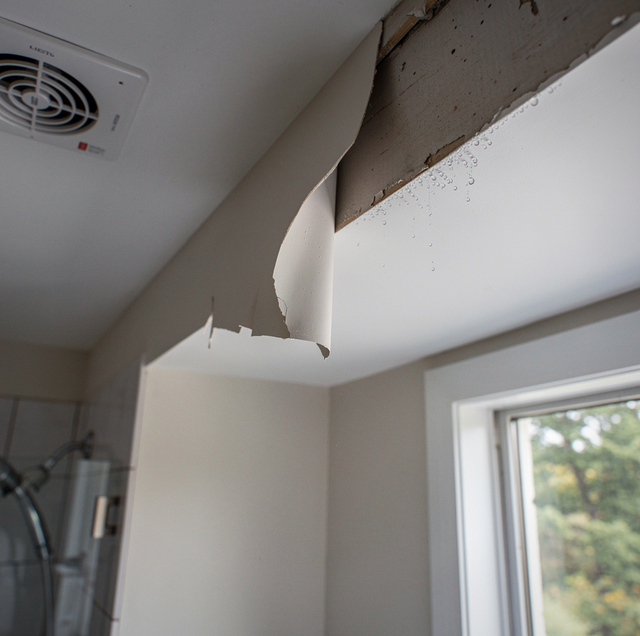
Why does paint that looked fine in the spring start curling off the wall by fall? Why does it always seem to happen in the same corner of the bathroom or the same stretch of ceiling below an upstairs shower? And why does a fresh coat over the old peel usually fail again within a year? Those three questions all trace back to the same answer: paint doesn't peel because it's old; it peels because something underneath it stopped letting it stick.
Paint Is Only as Good as What It's Stuck To
Paint bonds to a surface through adhesion, a mechanical and chemical grip between the dried film and whatever's beneath it: drywall paper, plaster, primer, or old paint layers. That bond depends on the surface being clean, dry, and slightly porous enough for the paint to key into. Moisture is the single biggest thing that breaks that bond. When water gets between the wall material and the paint film, even in tiny amounts, it lifts the paint from underneath rather than wearing it down from the outside. That's why peeling paint often comes off in sheets or curls rather than flaking evenly, and why the underside of a peeled chip is frequently damp, discolored, or has a faint musty smell even when the wall looks dry to the touch.
The Bathroom Ceiling Pattern
The most common spot for peeling paint in an older home is the ceiling directly above a shower, and the mechanism is easy to picture once you see it: hot shower steam rises and condenses on the cooler ceiling surface, and if the bathroom fan isn't strong enough or isn't run long enough to clear that humidity, water films the paint surface repeatedly, day after day. Standard interior latex paint isn't formulated to handle repeated condensation cycles, so the bond fails from the top down, starting exactly where the steam collects most.
A related but different cause shows up around window and door trim: cold surfaces meeting warm, humid indoor air create condensation on the glass or frame, and that moisture wicks into the paint at the sill or the lower sash, causing peeling that looks identical to a plumbing leak but has nothing to do with pipes.
Why the Problem Shows Up Worse in Certain Seasons
Peeling driven by trapped moisture doesn't wait for a single season to appear, but the Mid-Atlantic's swing between humid summers and dry, heated winters changes how fast it shows. In summer, high outdoor humidity slows how quickly a damp wall cavity dries out, even after the moisture source is corrected, so a spring leak that seems minor can leave paint bubbling well into August. In winter, indoor heating lowers relative humidity, which pulls moisture out of framing and drywall faster and can cause paint that held on through summer to finally let go as the substrate shrinks slightly while drying. That's why the same underlying leak or ventilation gap can produce peeling that seems to appear "out of nowhere" months after the original moisture event, in whichever season finally tips the substrate past its threshold.
When It's a Leak, Not Just Humidity
Peeling that follows a stain, or that's concentrated around a specific spot rather than spread evenly across a ceiling, usually means water intrusion rather than ambient humidity: a slow roof leak, a failed flashing point, a supply line drip inside a wall, or an old plumbing vent that's let moisture into the framing bay behind the drywall. The paint is just the messenger here. Repainting over that spot without finding and correcting the water source means the same peel returns, often within months, because the moisture source never went away.
A useful way to tell the two apart: humidity-driven peeling from a bathroom fan issue tends to be broad and centered directly over the shower or tub, while leak-driven peeling tends to follow a tighter path, sometimes forming a ring or a line that traces where water traveled inside the wall or ceiling cavity before reaching the surface.
Why Painting Over Peeling Paint Fails Almost Every Time
It's tempting to sand the loose flakes, prime, and repaint, and sometimes that holds for a season. But if the surface underneath is still damp, or if the old paint has multiple failed layers stacked on top of each other, the new coat is bonding to an unstable base. Layers of paint applied over decades in an older Brandywine Valley home can build up to a dozen coats in high-touch areas, and once one of those buried layers loses its grip, everything above it goes with it regardless of how good the top coat is.
Oil-based paint, covered later with latex paint, is another common failure point, since the two don't bond as reliably as latex-over-latex, and older homes frequently have oil paint from before the 1990s buried under two or three generations of newer coats.
Fixing the Cause Before the Cosmetics
The right sequence is: find why moisture reached the surface, correct that source, let the substrate dry completely, then address the paint. That might mean improving bathroom ventilation, checking a roof or flashing detail, sealing a window that's letting in condensation, or simply scraping back to a sound layer and priming with a stain-blocking primer built to lock down old water marks so they don't bleed through the new color.
For ceiling peeling tied to a bathroom fan, the fix is often mechanical rather than cosmetic: confirming the fan is rated for the room's square footage, that the duct actually vents outside rather than dumping into the attic, and that it runs long enough after a shower to pull the humidity down before it settles back onto the ceiling.
Scraping technique matters more than most people expect. A stiff putty knife dragged straight across a peeling area tends to gouge the drywall paper underneath, creating a rough, uneven edge that telegraphs through the new paint. Working at a low angle, feathering the edge with sandpaper after scraping, and vacuuming the dust before priming all make the difference between a repair that blends in and one that's visible from across the room. Skim-coating a wide, feathered edge with lightweight joint compound over any gouged area, then sanding it smooth once dry, gives the primer a flat surface to grip rather than a stepped edge that shows through flat or eggshell paint under side lighting.
What This Means for Repainting Timing
Peeling paint should never be repainted in the same visit it's discovered if there's any question about moisture underneath. Letting a scraped area dry for at least a few days, ideally with a fan or dehumidifier running nearby, gives the substrate a real chance to release trapped moisture before a new coat seals it back in.
Frequently Asked Questions
Not necessarily. Drywall paper can tolerate brief, light moisture exposure without structural damage, but repeated soaking softens the paper fibers and eventually causes sagging or crumbling, which is a different repair than a paint job. A quick way to check is pressing a fingertip into the area; if it gives or feels spongy, the drywall itself needs attention before repainting.
That's usually efflorescence, mineral salts left behind as water evaporates through a porous surface like plaster or masonry. It's a sign that moisture has been moving through the wall for a while and points toward an ongoing water source rather than a one-time event.
Yes, particularly on exterior-facing walls in older homes with little to no vapor barrier, where humidity from inside the house seeps through the wall assembly and condenses between the drywall and the exterior sheathing. This is more common in homes built before modern vapor barrier standards were routine.
Only for locking down tannin or mineral discoloration so it doesn't bleed through fresh paint. If there's no visible stain and the surface is simply peeling from humidity with no discoloration, a quality latex primer with stain-blocking additives is often enough.
A simple test is holding a single-ply tissue against the grille while the fan runs; it should stay pinned flat against the vent by suction. If it flutters loosely or falls, the fan likely isn't moving enough air for the room's size, which is measured in cubic feet per minute rather than a guess.
Exterior peeling is more often caused by moisture trying to escape from inside the wall outward, trapped by newer paint films that don't breathe as well as older ones, which is the reverse mechanism of interior humidity peeling but still traces back to trapped moisture rather than paint quality.
Peeling paint is a symptom, not the actual problem, and chasing it with primer and a roller before finding the moisture source underneath just buys a few quiet months before the same spot reappears. Find out why the water reached that surface first, and the paint will hold as it's supposed to.
Schedule an interior painting and repair estimate — get peeling walls or ceilings fixed at the source, not just covered up. Precision Home Worx serves Wilmington, Bear, and Newark. Call (302) 500-3676.


