
Door Won’t Latch or Stay Shut? 5 Fixes That Actually Work
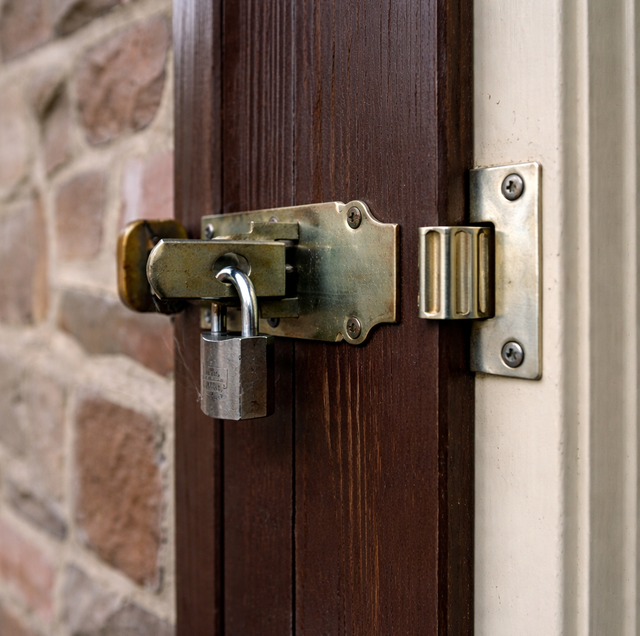
Quick Answer: A door won't latch because the latch bolt no longer lines up with the hole in the strike plate. The door has sagged, the frame has shifted, or the wood has swelled. Mark the latch with lipstick or a marker to see exactly where it hits, then correct the alignment by tightening or shimming a hinge, or by filing and repositioning the strike plate.
A door that won't stay shut has almost nothing to do with the knob and almost everything to do with alignment. The angled metal tongue on the edge of the door, the latch bolt, has to slide into a matching hole in the metal plate mounted on the frame, the strike plate. When those two parts line up, the door clicks and holds. When they drift out of line by even a sixteenth of an inch, the bolt slams against the plate or the wood instead of dropping into the hole, and the door bounces back open.
So before you swap hardware or shave the door, understand the meeting point. As the door swings closed, the beveled face of the latch bolt hits the leading edge of the strike, gets pushed back into the door against its spring, rides across the strike, and snaps out again into the strike hole once it clears. Every failure to latch is a failure somewhere in that sequence: the bolt reaches the plate too high, too low, or not far enough. Nail down where it misses, and the fix usually takes minutes, not a new door.
Find Exactly Where the Latch Is Missing
Guessing wastes time. You want a physical record of where the bolt contacts the plate. Coat the tip of the latch bolt with a thin smear of lipstick, a dry-erase marker, or a dab of chalk. Pull the door shut normally, then open it and look at the strike plate. The mark tells the whole story.
A smear above the strike hole means the latch is landing high, which points to a door that has sagged at the latch side. A smear below the hole means the latch sits low. A mark on the face of the strike plate near the door stop, not reaching the hole at all, means the door isn't closing far enough into the frame, usually a swelling or a stop problem. Reading that one mark saves you from filing the wrong edge or shimming the wrong hinge.
Latch that won't catch versus deadbolt that won't throw: A spring latch and a deadbolt fail for the same alignment reason but feel different in the hand. The spring latch is self-retracting: it should click shut on its own when you push the door. If it won't catch, the bevel is missing the hole. A deadbolt has no spring and no bevel; you drive it with the thumbturn or key. When a deadbolt binds halfway or won't extend, its bolt is jamming against the edge of its strike hole because the door and frame no longer register in the same spot. The deadbolt hole is usually a hair tighter than the latch hole, so a deadbolt often complains first, an early warning that the door has started to move.
Why the Alignment Slipped
Doors don't fall out of adjustment for one reason, and matching the cause to your lipstick mark tells you which fix to reach for.
Loose or worn hinges: This is the most common culprit. Wood screws in a hinge carry the door's full weight every time it swings. Over years, the top hinge screws work loose or strip the wood around them, and the door tips down on the latch side, dropping the latch below the strike hole. Grab the door by its outer edge and lift; if it moves and the gap at the top hinge closes, worn hinge fastening is your problem.
The house settling and the frame moving: Homes shift as framing dries and foundations settle. A door frame that was plumb when installed can rack slightly, throwing the strike out of line with a latch that hasn't moved at all. Settling is gradual, so the door that latched fine for years and now needs a shove has often followed the frame.
Humidity swelling the door and jamb: Wood breathes with the air around it, and this cuts both ways year-round. In damp stretches, the door and jamb absorb moisture and swell, so the door grows tight in its opening and won't close far enough to latch. In dry stretches, the same wood gives up moisture and shrinks, so a door that stuck in humidity can suddenly rattle loose with a gap. A door that binds only in wet weeks and frees up in dry ones is telling you it's moisture, not hinges, and the fix is different.
Paint buildup and a misplaced strike plate: Layer after layer of paint on the jamb and door stop narrows the opening until the door can't seat. And on newer installs, the strike plate may simply have been screwed on a touch off the mark from day one, so the latch never had a clean target to begin with.
The Fixes, Matched to the Cause
Work from the least invasive fix upward. You can often solve a sag without touching the strike at all.
Tighten or lengthen the hinge screws to lift a sagging door: Open the door and tighten every hinge screw, starting at the top hinge. If a screw spins without biting, the wood is stripped.
Replace one or two short factory screws in the top hinge with three-inch screws long enough to reach past the jamb into the wall stud behind it. As they draw tight, they pull the whole frame side and the door edge up and back, lifting the latch toward the strike hole. This single move corrects a surprising share of sagging doors and costs almost nothing.
Add a shim behind a hinge: If tightening isn't enough, a thin cardboard or fiber shim placed behind a hinge leaf shifts the door in its opening. Shim behind the bottom hinge to nudge the top of the door toward the latch jamb, or behind the top hinge to swing the latch edge outward. Loosen the leaf, slip the shim under it, and re-drive the screws. It's a precise way to move the door a millimeter or two without moving hardware.
File or reposition the strike plate: When the latch misses the hole by a small amount, and the hinges are sound, meet the latch where it lands. Unscrew the strike plate and file the hole edge with a metal file to enlarge it toward the mark, or move the plate up or down and drill new pilot holes. For a larger shift, you may need to chisel the mortise slightly and fill the old screw holes with wood filler or toothpick-and-glue so new screws bite. Wear eye protection and cut away from your hand; a sharp chisel or utility knife slips easily on hardwood.
Adjust the strike tab: Many strike plates have a small bendable tab at the edge of the latch opening. If the latch enters but the door still rattles loose, bend that tab inward slightly with pliers or a screwdriver to take up the slack, so the latch seats snug instead of loose.
Address the swelling: For a moisture-swollen door, sand or plane only the swollen contact edge, but do it lightly and ideally during a damp spell so you don't remove wood the door will need back when it shrinks. Sealing the raw top and bottom edges of the door with primer or paint slows moisture from moving in and out, steadying the fit across wet and dry stretches alike.
When It's More Than an Adjustment
Most latch trouble is a five-minute alignment fix. Some isn't. If the frame is visibly racked, gaps are wedge-shaped and wide at one corner, or cracks are opening in the drywall above the door, the door is reporting a larger movement in the structure that's worth a closer look before you chase the latch. A door swollen so badly it won't move, split rails, or a jamb pulling away from the wall are past the point a shim solves and call for reframing or replacement.
Treat an exterior door that won't latch as a security and safety matter, not a nuisance to live with; an unlatched entry door isn't locked, whatever the deadbolt is doing, so fix it promptly. And a fire-rated or self-closing door that won't latch fully defeats its whole purpose, since it's designed to close and hold on its own; that one shouldn't wait.
Think of the door, hinges, and frame as a triangle whose three sides have to stay in proportion. Change the length of one side and the corner where the latch meets the strike swings out of true. Most of the time you're not fixing the latch at all; you're squaring the triangle back up so the latch has somewhere to land.
Frequently Asked Questions
That flip is the signature of moisture, and which season binds depends on your indoor humidity, not the calendar. A door that swells and sticks during humid stretches can shrink and latch cleanly once heating dries the indoor air, and a door that fits loosely in dry air can swell tight when humidity climbs. Because the wood moves both directions, chasing it with a plane in one season often leaves a gap in the other. Steadying indoor humidity does more than reshaping the door.
Sometimes. If the lipstick mark shows the latch missing the strike hole by a hair, bending the strike tab or filing the hole edge fixes it with the plate still mounted. Then tighten the loose hinge screws. But if the door has dropped more than about an eighth of an inch, you'll need to pull the strike plate to move it, since filing that far weakens the plate and leaves a ragged opening the latch can hang up on.
Standard hinge screws run about three-quarters of an inch and bite only the jamb board. To reach the framing stud behind the jamb, you need screws around three inches long, since there's typically a half-inch shim gap between the jamb and the stud that the screw has to cross. Match the screw head to the hinge countersink, usually a number 9 or 10 flat-head, so it seats flush, and the hinge closes tight.
A combined strike plate serves both the spring latch and the deadbolt, and the two holes are drilled to fixed spacing. If the latch lines up but the deadbolt hole doesn't, the door has shifted vertically since the plate was set, and the rigid deadbolt shows it first because it has no bevel to forgive a small miss. Rather than filing one hole crooked, it's usually cleaner to remount the whole plate so both holes shift together.
Only if the latch bolt itself is sticky and not retracting, which is uncommon. A dry graphite lubricant in the latch mechanism frees a bolt that's gummed up and won't spring back out. But lubricant does nothing for an alignment problem, which is the real cause in the large majority of cases. If the bolt moves freely by hand but still won't catch when the door shuts, the issue is where it lands, not how it slides, and no spray will move the strike.
Close the door slowly and watch the gap, the reveal, between the door edge and the jamb all the way around. A hinge sag shows an uneven reveal that's tight at the top and wide at the bottom on the latch side. A racked frame shows a reveal that runs wedge-shaped corner to corner, wider at one diagonal than the other, and often pairs with drywall cracks above the door. Uneven-but-parallel points to hinges you can tighten; wedge-shaped points to a frame that has moved.
Stop wrestling a door that won't stay shut — get it latching cleanly with a quick alignment fix. Precision Home Worx serves Wilmington, Newark, and Hockessin. Call (302) 500-3676.


