
5 Signs a Small Home Repair Is About to Get Expensive
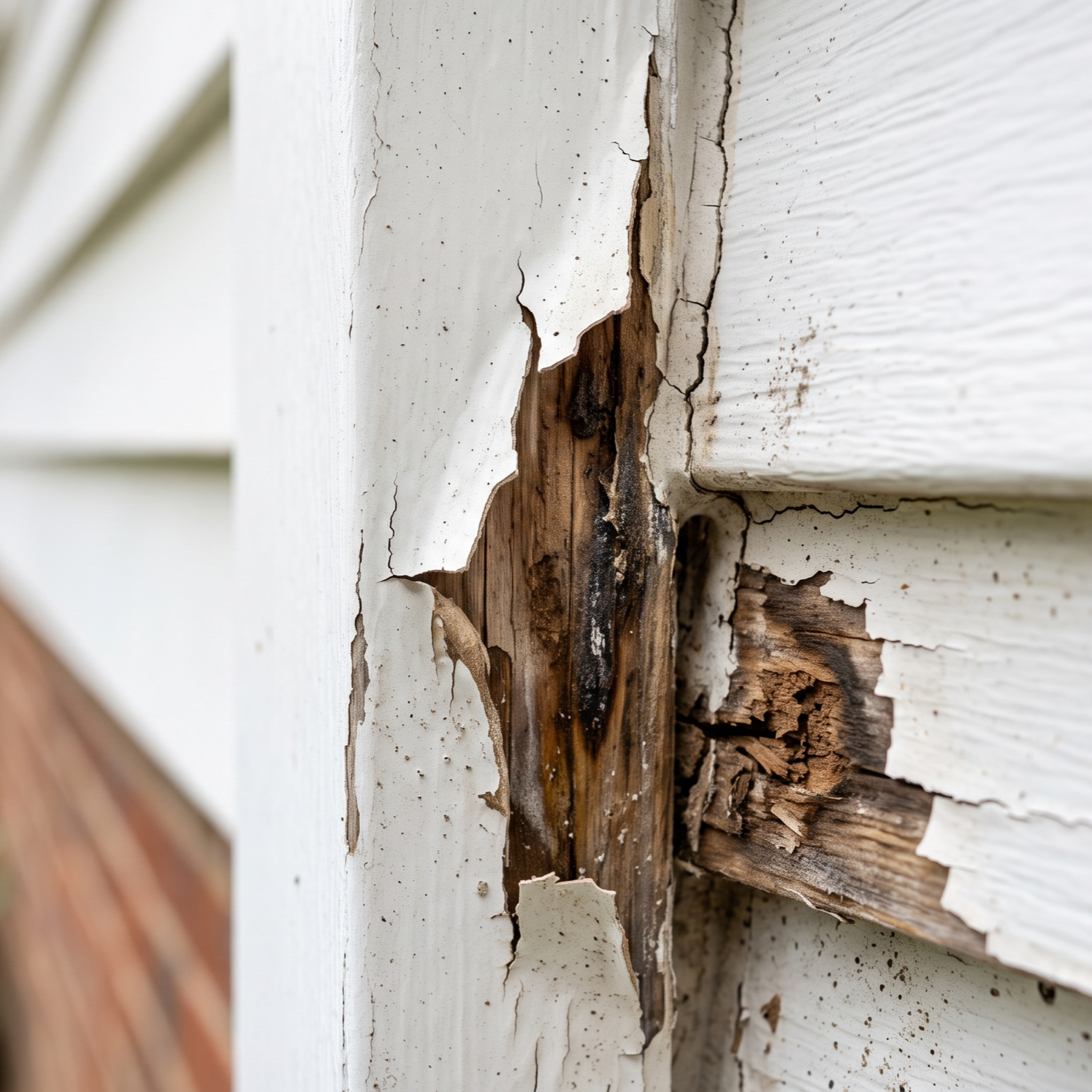
Quick Answer: Small repairs turn into big ones when water, movement, or rot is quietly spreading behind the small symptom you can see. Warning signs include water stains that grow or return, peeling paint and failing caulk (which let water in), doors and windows that increasingly stick (movement or moisture), soft or spongy wood on decks and trim, small cracks that keep widening, and musty smells. The common thread is moisture and time. Catching these early — when it's still a caulk bead, a board, or a patch — heads off the structural and water damage that costs far more to fix.
Almost every expensive home repair started as a cheap one that somebody ignored. The water stain was "probably nothing." The caulk was "fine for now." The deck board that felt a little soft last summer. Homes rarely fail suddenly; they give warning, and the gap between a small fix and a big one is usually just time. The trick is learning to read the early signs — the small symptoms that mean something bigger is developing behind them — so you act while it's still a minor job.
Small Problems Get Big When Something Is Spreading Behind Them
The reason a minor issue becomes a major one is that the visible symptom is often the small, late edge of a hidden problem that's spreading. A water stain on the ceiling is a tablespoon of evidence for a leak that's been wetting the framing for weeks. Peeling paint isn't just ugly — it's an open door letting water into the wood. The damage compounds out of sight: water spreads, wood rots, mold grows, and movement worsens, all while the surface still looks "mostly fine." So the signs that matter are the ones that signal an active, spreading process, not a one-time blemish.
The Warning Signs to Act On
Water Stains That Grow or Come Back
A water stain is never just a stain — it's proof that water is getting somewhere it shouldn't. The dangerous version is a stain that's growing, darkening, or returning after you paint over it, because that means the leak is active. Behind it, water is soaking the framing and insulation and feeding rot and mold. A small stain caught early can mean a simple leak fix; ignored, it becomes drywall, insulation, and structural repair.
Peeling Paint and Failing Caulk
Paint and caulk are your home's water seals. When exterior paint peels or caulk around windows, doors, and tubs cracks and pulls away, water gets behind them — into the wood, the wall, or the bathroom framing. In the Mid-Atlantic's humid summers and freeze-thaw winters, that water does real damage. Re-caulking a bead or touching up paint is cheap; replacing water-rotted trim or repairing a wall behind a failed tub seal is not.
Doors and Windows That Stick More and More
A door or window that's gotten harder to open isn't just annoying. While humidity swells wood seasonally, a door that sticks worse over time can signal moisture problems or that the house is shifting and the frame is going out of square. Worsening sticking is worth investigating, because the cause can range from a simple adjustment to settling that needs attention.
Soft or Spongy Wood
Press on a deck board, a porch step, a windowsill, or exterior trim. If it feels soft, spongy, or gives under pressure, the wood is rotting — and rot spreads to whatever it touches. Soft wood is past the warning stage and into active decay, so the longer it sits, the more boards or framing it takes with it. On a deck or stairs, it's also a safety issue.
Small Cracks That Keep Widening
Many cracks are cosmetic and stable. The ones to watch are cracks that keep widening or lengthening, or that appear alongside other signs like sticking doors or uneven floors, because those can indicate movement or a structural issue rather than simple settling. A crack that's changing is telling you something is still moving.
Musty or Damp Smells
A musty smell with no visible source often means hidden moisture or mold somewhere — behind a wall, under a floor, in a crawlspace. Smell is sometimes the first sign of a moisture problem you can't yet see, and it's worth tracking down before it becomes a bigger remediation job.
| Small sign now | What's spreading behind it | If ignored |
|---|---|---|
| Growing/returning water stain | Active leak wetting framing | Drywall, insulation, structural repair |
| Peeling paint, failing caulk | Water getting into wood/walls | Rotted trim, wall and framing damage |
| Worsening sticking doors | Moisture or house movement | Reframing, structural correction |
| Soft, spongy wood | Active rot spreading | Deck/trim/framing replacement, safety risk |
| Widening cracks | Possible structural movement | Major structural repair |
Twice a year, do a slow walk-through with one question in mind: what's changed? A stain that's bigger, a crack that's longer, a board that's softer, a door that sticks worse than last season. Change is the signal — a stable small flaw can wait, but anything actively getting worse is the one to fix now.
Why Acting Early Pays Off
The math of home repair rewards moving early. The same problem is cheap at the symptom stage and expensive at the damage stage — a leak fixed when you spot the first stain versus after it has rotted the framing, a caulk bead replaced versus a wall opened up, a deck board swapped versus a whole structure rebuilt. Because the hidden process keeps spreading on its own timeline, every season of delay usually adds cost. Catching these signs early isn't just routine maintenance; it's the difference between a quick handyman visit and a major repair bill. When something is actively getting worse, that's the moment it's cheapest to fix.
Frequently Asked Questions
The key is whether it's active. A stain that's growing, darkening, or coming back after you paint over it means water is still getting in, and behind it, the leak is soaking framing and insulation and feeding rot or mold. A small, stable, old stain from a fixed leak is less urgent. But any stain that's changing should be traced to its source quickly, because hidden water damage becomes more expensive the longer it goes unchecked.
Not always, but sometimes. Wood naturally swells in humid weather, so seasonal sticking is normal. The concern is a door or window that sticks worse and worse over time, which can signal a moisture problem or that the house is shifting and the frame is moving out of square. Worsening, persistent sticking is worth investigating, since the cause ranges from a simple adjustment to settling that needs real attention.
Soft, spongy wood that gives under pressure is rotting — it's past the warning stage and into active decay. Rot spreads to adjoining wood, so a soft deck board, windowsill, step, or piece of trim will take more material with it the longer it's left. On decks and stairs, it's also a safety hazard. Soft wood should be addressed promptly, both to stop the spread and to keep the structure safe.
Many cracks are cosmetic and stable and aren't urgent. Worry about cracks that keep widening or lengthening, or that show up alongside other signs like sticking doors, uneven floors, or gaps, because those can indicate structural movement rather than normal settling. A crack that's actively changing is the one to have looked at. If you're unsure, monitoring whether it grows over a few months helps tell stable from active.
Because the cost rises as the hidden damage spreads. A leak caught at the first stain is a simple fix; left alone, it rots framing and becomes a structural and drywall repair. A failing caulk bead is cheap; the wall damage behind it isn't. Since the underlying process — water, rot, movement — keeps progressing on its own, delay almost always adds cost. Acting at the symptom stage keeps the repair small.
Catch What's Changing Before It's Costly
Small home repairs become big ones when water, rot, or movement is quietly spreading behind a symptom that still looks minor. The warning signs — growing water stains, peeling paint, and failing caulk; worsening sticking doors, soft wood, widening cracks, and musty smells — all point to an active process that gets more expensive with time. The homeowner's edge is noticing what's changing and fixing it while it's still a caulk bead, a board, or a patch. Move early, and you keep the cheap problem from becoming the costly one.
Noticing a small problem that keeps getting worse? — Get it caught and fixed early by a family-owned repair team before it turns into a big bill. Precision Home Worx serves Wilmington, Bear, Newark. Call (302) 500-3676.


