
Seamless Drywall and Plaster Repairs for a Flawless Finish
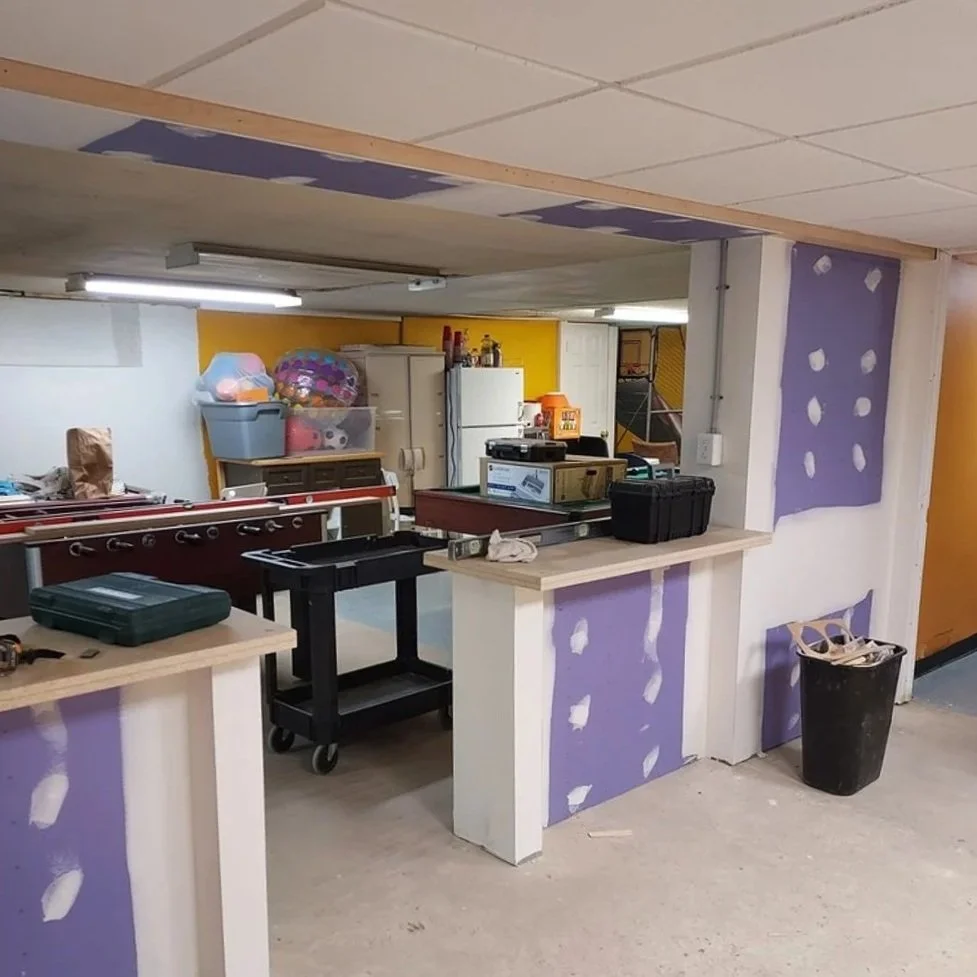
Drywall and plaster repairs demand attention to detail that separates a noticeable patch from a truly invisible fix.
You patch the hole, sand it down, repaint the wall, and somehow the spot still stands out every time the light hits it. That frustration usually comes from repairs that look fine up close but fall apart visually across the whole wall, leaving you with a finish that never quite blends in.
Drywall and plaster repairs are one of those projects that seem simple until you try to make them invisible. The difference between a patch and a seamless finish comes down to technique, materials, and attention to detail at every stage. Professional drywall and plaster repair focuses on restoring the surface so completely that the repair disappears, not just covering damage temporarily.
Many homeowners attempt quick fixes that address the surface but ignore what caused the damage or how the repair interacts with the rest of the wall. That's why patches often shrink, crack, or remain visible after painting. A proper repair goes deeper, treating the wall as a continuous surface rather than a collection of isolated fixes.
Why Most Wall Repairs Are Still Visible After Painting
One of the most common complaints is that a repaired area looks fine until paint is applied, and then it suddenly becomes obvious. This usually happens because the surface wasn't blended properly with the surrounding wall. Differences in texture, thickness, or sanding create subtle variations that the paint actually highlights rather than hides.
Lighting plays a major role in this problem. Both natural and artificial light cast shadows across walls, revealing uneven surfaces that aren't noticeable at first glance. A patch that isn't feathered out correctly will catch light differently, making it stand out even if the color matches perfectly.
Professional drywall and plaster repair addresses this by focusing on transitions. Instead of stopping at the edge of the damage, materials are applied and blended outward so the repair gradually disappears into the surrounding surface. That approach is what creates a consistent finish that holds up under different lighting conditions.
Why Proper Assessment Comes Before Any Repair Work
Before any material is applied, the cause of the damage needs to be understood. Cracks, holes, and surface imperfections often indicate underlying issues that can compromise the longevity of the repair. Without addressing those factors, the same problem can return even after a clean patch.
Water damage is one of the most common examples. Stains or soft spots near windows, doors, or ceilings often indicate moisture intrusion. Simply covering the area without resolving the source leads to recurring damage that breaks down the repair over time.
Professional contractors start with a full assessment, looking beyond the visible surface. They evaluate structural movement, moisture exposure, and previous repairs to determine the right approach. This step may not be visible in the final result, but it plays a major role in how long the repair lasts.
The Role Of Material Selection In Long-Term Results
Not all repair materials perform the same, and choosing the wrong one can lead to cracking, shrinking, or poor adhesion. Drywall and plaster require different compounds, and even within those categories, there are variations designed for specific types of damage.
Plaster repairs often require materials that match the original surface's density and texture. Using standard drywall compound on plaster can create a mismatch that becomes visible over time. Drywall repairs, on the other hand, rely on compounds that can handle expansion and contraction without breaking apart.
Professional drywall and plaster repair involves selecting materials based on the surface type and the extent of the damage. This decision affects how the repair behaves as it dries, how it responds to temperature changes, and how well it integrates with the existing wall.
Why Surface Preparation Determines The Outcome
Surface preparation is one of the most overlooked steps in wall repair, yet it has a direct impact on how the final result looks and holds up. Damaged material must be completely removed, and the surrounding area must be stable before any new compound is applied.
Dust, loose particles, and old paint can all interfere with adhesion. If the new material doesn't bond properly, it may separate or crack over time. Cleaning and priming create a surface that allows the repair compound to attach securely.
Professionals take the time to thoroughly prepare the area, even if it means expanding the repair slightly to reach solid material. This approach prevents future issues and creates a stronger foundation for the finished surface.
How Water Damage Changes The Repair Process
Water damage requires a different approach than standard surface repairs. Moisture weakens materials, creates staining, and can lead to hidden issues behind the wall. Addressing only the visible damage often results in repairs that fail as moisture continues to affect the area.
The first step is identifying and resolving the source of the water. Whether it's a leak near windows, doors, or plumbing, that issue must be corrected before repairs begin. Once the area is dry, damaged material is removed and replaced with new material that can restore the surface.
Drying time plays a critical role in this process. Rushing to apply the new compound before the area is fully dry can trap moisture, leading to future problems. Professional repair accounts for these conditions, allowing the wall to stabilize before rebuilding the surface.
Why Different Cracks Require Different Solutions
Cracks in walls are often treated as a single problem, but they can vary significantly in cause and severity. Hairline cracks may result from normal settling, while larger cracks can indicate movement that requires reinforcement.
Simple fillings work for minor cracks, but deeper or recurring cracks often require additional support. Reinforcement methods, such as tape or mesh, help stabilize the area and prevent the crack from reopening. Without that support, the repair may look fine initially but fail over time.
Professional drywall and plaster repair involves identifying the type of crack and applying the appropriate technique. This ensures that the repair addresses both the appearance and the underlying cause.
The Challenge Of Matching Texture Exactly
Texture matching is one of the most difficult parts of wall repair. Even slight differences in pattern or thickness can make a repaired area stand out. Walls with existing texture require careful analysis to replicate the original look.
Professionals study the surrounding surface to understand how the texture was applied. They then use specific tools and techniques to recreate that pattern as closely as possible. This process often involves multiple attempts to achieve a match that blends naturally.
Without this level of attention, repairs can appear smooth in textured areas or uneven in flat finishes. Matching the texture correctly allows the repair to visually disappear.
Why Paint Alone Doesn't Hide Repairs
Many homeowners expect paint to cover imperfections, but paint often does the opposite. It highlights differences in surface quality, especially under certain lighting conditions. Even a perfect color match won't hide uneven textures or poorly blended edges.
Professional repairs include paint integration. This involves not only matching the color but also blending the finish with the surrounding wall. Aging, fading, and existing wear patterns all influence how the paint should be applied.
The goal is to make the repaired area indistinguishable from the rest of the wall. That requires more than just applying paint. It requires understanding how the entire surface interacts visually.
Why Corners And Joints Fail More Often
Corners and joints are more vulnerable to damage because they experience more stress and impact. Over time, these areas can crack, chip, or separate, especially if they weren't reinforced properly during initial construction.
Repairing these areas requires more than filling the surface. Reinforcement, such as corner bead or joint tape, is often needed to restore strength. Without it, the repair may not hold up under regular use.
Professional contractors approach these repairs with durability in mind. Proper reinforcement and finishing techniques create a stronger result that resists future damage.
The Importance Of Sanding And Finishing Detail
Sanding is where the repair truly takes shape. The goal is to create a smooth transition between the repaired area and the existing wall. Using the wrong grit or sanding too aggressively can create new imperfections that show through paint.
Professionals use a progression of sanding techniques to gradually refine the surface. Each pass removes small imperfections while preserving the wall's overall shape. This process requires patience and precision to achieve a flawless finish.
Detail work at this stage determines whether the repair blends in or stands out. Smooth transitions and consistent surfaces are what make the final result look complete.
Why Dust Control Affects The Entire Space
Drywall and plaster repair generate significant dust, which can spread quickly if not properly managed. Without containment, dust settles on surfaces throughout the home, requiring additional cleanup and potentially causing damage.
Professional contractors use barriers, coverings, and ventilation to control dust during repairs. This keeps the work area contained and protects surrounding spaces.
Dust control is often overlooked, but it plays a role in both the quality of the repair and the condition of the home during the project.
When Large Repairs Require A Different Approach
Extensive damage changes how repairs are handled. Large sections of drywall or plaster may need to be removed and replaced rather than patched. This process requires careful alignment and integration with the existing structure.
Staged repairs are often used in these situations. Each layer is applied and allowed to set before the next step begins. This approach prevents issues like cracking or uneven surfaces.
Professional drywall and plaster repair adapts to the scale of the damage, using methods that support long-term stability rather than quick fixes.
FAQs
Why do my drywall repairs keep showing after painting?
Repairs often remain visible because the patched area was not properly blended with the surrounding surface. Differences in texture, thickness, or sanding can stand out once paint is applied, especially under lighting that highlights imperfections.
Can I repair plaster the same way as drywall?
No, plaster requires different materials and techniques to match its density and texture. Using standard drywall repair methods can result in noticeable inconsistencies and may not provide the same level of durability.
What causes cracks to come back after being repaired?
Cracks can return if the underlying issue, such as structural movement or settling, is not addressed. Inadequate reinforcement or improper materials can also lead to recurring cracks over time.
How do professionals match wall texture so well?
Professionals carefully evaluate the existing wall texture and use specialized tools and application methods to recreate it. Achieving a seamless match often involves layering and refining the finish to blend naturally with the surrounding area.
When should I call a professional for wall repairs?
If repairs repeatedly fail, involve large sections, or include water damage, it is best to call a professional. They can identify underlying problems and ensure the repair is done correctly for long-term results.
Precision Home Worx offers quality decks and porches, general carpentry and interior work, roof and exterior repairs, specialty and maintenance services, and plumbing and drains solutions in Claymont, DE, and surrounding areas. Call us today for a free estimate/consultation. Our fully licensed and insured professionals deliver the best results. Get one-year warranty, reliable and prompt solutions, and competitive pricing with free estimates. Call now!


