
Signs Your Bathroom Needs More Than New Grout and Paint
Quick Answer: Regrouting or repainting works when tile sounds solid, the floor feels firm, and nothing comes back after cleaning. Treat it as more than cosmetic when tile sounds hollow, the floor feels soft near the toilet, or a musty smell returns.
A contractor comes out to swap a cracked vanity top and figures the visit will take twenty minutes. Out of habit, he checks the shutoff valves first and presses a thumb into the flooring next to the toilet on his way past. It gives. Soft, like the subfloor underneath has gone to cardboard. The vanity swap is still on the list for the day. So is a section of subfloor that has nothing to do with the vanity at all, and now the twenty-minute visit is a very different conversation.
That's the trap a bathroom sets more than any other room in the house. Regrouting, a fresh coat of paint, a new light fixture: those are honest fixes for genuine wear, and most of what shows up in a bathroom actually is that simple. But a bathroom sits directly on top of running water several times a day, in a small room with limited airflow, and it's the one space where a purely cosmetic update can cover up something still active underneath the tile. The skill isn't guessing. It's knowing which specific signs, in which specific spots, separate an easy refresh from a repair that needs to happen first.
Why New Grout or a New Vanity Doesn't Fix What's Behind It
Tile is a finish layer, not a waterproofing layer, and that distinction is the whole reason this room fools people. Underneath the tile in a shower or tub surround sits cement backer board, and behind or under that is a waterproofing membrane meant to carry water into the drain rather than into the wall cavity. The tile you see and the grout between it are cosmetic in the truest sense: they're the surface finish over a system that's actually doing the work. When that membrane tears, was never installed correctly, or simply fails at a seam after years of movement, the tile on top can look completely normal for a long stretch while water is already getting past it.
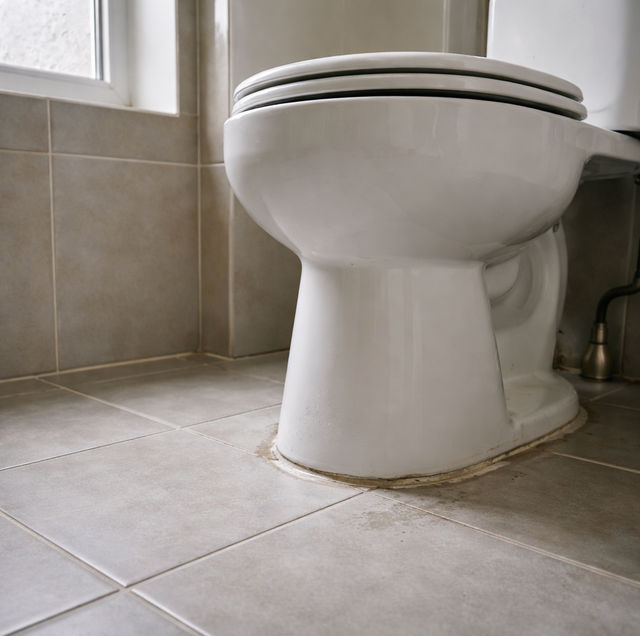
The same layering problem shows up at the floor. Vinyl, tile, or laminate sits over a subfloor, usually plywood or OSB, and that subfloor is what actually holds the weight of the room. A toilet seals to the drain pipe below it with a wax ring at the base of the flange. When that seal degrades, or the toilet has ever rocked even slightly on an uneven floor, a small amount of water escapes with every flush. It doesn't puddle. It soaks straight into the subfloor from underneath the flooring, where nobody sees it, and by the time it reaches the surface as a soft spot, the subfloor has already been wet for a long stretch.
Repainting or regrouting over either of those problems doesn't fix them: It just puts a clean layer on top of an active leak or already-compromised structure. The paint bubbles again in a few months. The new grout cracks at the same seam. And the homeowner is left redoing the same cosmetic fix on a loop, wondering why it never sticks, when the actual failure was never in the paint or the grout to begin with.
The Cosmetic-vs-Structural Signal Table
Not every worn or dated detail is a red flag, and not every red flag looks dramatic. Use this as a quick sort before deciding what the room actually needs.
| Area | Likely just cosmetic | Points to something deeper |
|---|---|---|
| Grout lines | Discolored, stained, or thin from years of scrubbing | Crumbles to powder when scratched, or gaps keep widening after regrouting |
| Tile surface | Dated color, pattern, or size you're tired of looking at | Hollow, drum-like sound when tapped across several tiles, not just one |
| Caulk at tub or shower | Yellowed, shrunk, or peeling in one spot | Fails at the same seam again within a few months of recaulking |
| Toilet base | Loose seat, worn caulk ring at the base, cosmetic bowl staining | Toilet rocks side to side, or the floor gives slightly when you stand at its base |
| Flooring near toilet or tub | Faded finish, minor scuffs, worn grout haze | Soft, spongy, or slow to spring back when you press it underfoot |
| Vanity cabinet | Scratched doors, worn laminate top, dated hardware | Swollen or delaminating particleboard at the cabinet floor, or a musty smell that returns after cleaning |
| Ceiling in the room below | Old paint color, minor settling cracks | A stain that lines up directly under the tub or shower and reappears after painting over it |
None of these on their own is proof of a structural problem. A single hollow-sounding tile near a cut edge, for instance, is common from a small gap in mortar coverage during installation and usually isn't a concern. It's a pattern, more than one column of the table lighting up in the same area, that turns a cosmetic job into something bigger.
Three Spots Where the Difference Shows Up First
The base of the toilet: This is the single most common place a bathroom problem hides behind a cosmetic surface, because the failure point, the wax ring seal, is out of sight by design. Kneel down and rock the toilet gently side to side with both hands on the bowl, not the seat. Any movement at all means the seal or the flange underneath needs attention, and the flooring around the base needs to be checked, not just cleaned and recaulked.
The tub or shower surround: Run your palm across the tile and listen as much as you feel. A dull thud instead of a solid tap across a cluster of tiles, especially low on the wall or near the tub deck, means the tile has separated from the backer board behind it. Combine that with caulk that keeps failing at the same corner, and you're likely looking at a membrane or substrate issue, not a caulking habit.
Inside the vanity cabinet, at the floor: Open the doors and press the cabinet floor near the back corners, where the supply lines and the drain trap sit. If the particleboard there is swollen, soft, or dark, there is a slow leak that's been running for a while, not a one-time spill. A musty smell that returns within a day or two of cleaning is worth the same attention, even when the cabinet floor still feels solid underfoot.
What It Takes to Fix It Right When It's More Than Cosmetic
Once a sign points past the surface, the job stops being about picking a new tile color and starts being about what's underneath it. A Bathroom Remodeling job that begins this way usually opens up the affected section, not the whole room, to find and address the source: a section of subfloor around the toilet, the wall behind a shower valve, or the substrate under a tub surround.
Shower & Tub Replacement work comes into play when the tile and the waterproofing behind it have failed together, since patching individual tiles over a compromised membrane rarely holds for long.
Shower Tile Repair covers the narrower case: solid substrate, but tile that's cracked, loose, or missing grout in a defined area that doesn't need the whole surround rebuilt.
Bathroom Vanity Installation applies once the cabinet floor or the wall behind it has taken on water damage, rather than just needing a style update, and the new cabinet has to go in over flooring that's actually sound. And for a half bath or guest bath being reworked from the studs out.
Powder Room Installation covers the smaller footprint version of the same decision: fix what's there, or open it up and do it once.
The order matters more than the finish choice. Find and address the moisture source first, let the area dry fully, and only then move to new tile, a new vanity, or a repaint. Finishing first and finding the source later means doing the same section twice.
When Regrouting or a New Fixture Really Is Enough
Plenty of bathrooms just need a refresh with no deeper problem behind it, and that's worth saying plainly, because not every worn detail is a warning sign. If the tile sounds solid everywhere you tap it, the floor feels firm across the whole room including right at the toilet and tub, the toilet doesn't move at all when you rock it, and any past staining is dry, flat, and hasn't changed in months, you're looking at ordinary wear. Grout that's just discolored, caulk that's just shrunk from age, a vanity that's just out of style: those are cosmetic problems with cosmetic solutions, and there's no reason to treat a normal update like a bigger project than it is.
Frequently Asked Questions
Often six months to a year, sometimes longer, because a slightly rocking toilet only loses a small amount of water with each flush and that water soaks straight into the subfloor from below rather than pooling where you'd see it. By the time the floor feels soft to the touch or the flooring finish starts to lift near the base, the subfloor has usually been wet for most of that window already.
No. Waterproofing membranes behind tile are either sheet membranes, bonded in overlapping strips with their own sealed seams, or liquid-applied membranes, rolled or troweled on in coats to form a continuous barrier, and either type can tear at a seam, a corner, or a fastener penetration after years of substrate movement. Once that happens, water keeps reaching the setting bed and the framing behind it every time the shower runs, no matter how tight or well-packed the new grout joint is on the surface, because the grout was never the layer doing the waterproofing in the first place. Reaching the membrane to repair or replace it means removing the tile in that section, since there's no way to patch what's behind an intact tile surface without taking the tile off first.
Not always. Cabinets under a sink trap humidity from showers with limited airflow, and that alone can produce a musty smell even when the cabinet floor is completely solid. A quick way to tell the difference: prop the cabinet doors open for a full day, or run a small fan pointed inside overnight. A smell that fades with airflow was just trapped humidity. One that returns within a day of closing the doors again, or that's paired with soft or discolored particleboard, means water is still getting in and needs to be traced to its source rather than aired out.
Yes, and it's worth ruling out before you assume a leak. A fan that's undersized, clogged with dust, or vented into the attic instead of outside the house leaves excess humidity hanging in the room after every shower, and over months that moisture load can fail caulk repeatedly, work grout loose at the joints, and swell the particleboard in a vanity, all without a single plumbing leak involved. The tell is the pattern: humidity-driven wear tends to show up evenly across the whole room, softest at the ceiling and the tile up high, while a leak concentrates hard at one wall, one seam, or the base of one fixture.
The closet-flange-to-subfloor interface is one: the flange itself is bolted through the subfloor a few inches from where the wax ring seals, and a cracked or loose flange can leak at that bolt penetration even when the wax ring above it is fine. A tub's overflow gasket is another, easy to forget because it sits partway up the tub wall behind the overflow cover plate, and a dried-out or misaligned gasket there lets water weep behind the tub apron every time the tub fills past that line. A recessed shampoo niche built into a shower wall is a third: it has its own membrane seams at the corners, separate from the main wall's waterproofing, and those inside corners are a common place for a membrane to crack before the rest of the surround shows any problem.
Not necessarily, but the size of the opening is usually bigger than the visible damage suggests. A subfloor cut typically has to extend past the last joist bay that still shows soft or discolored plywood to reach material that's actually solid and dry, so a soft spot that reads as two feet across at the surface can mean pulling a section closer to four or five feet before hitting good wood. A tub surround is less forgiving about staying partial: a floor repair can stop at a joist and leave the rest of the room alone, but tile and membrane on a wall are one continuous waterproofed assembly, so once a section comes off, the wall usually has to be re-membraned and re-tiled corner to corner rather than patched in just the damaged spot.
Schedule a bathroom assessment before you regrout or repaint over a problem you can't see — get a straight answer on what's cosmetic and what isn't. Precision Home Worx serves Wilmington, Bear, and Newark. Call (302) 500-3676.


