
Why Your Interior Doors Stick in Humid Weather
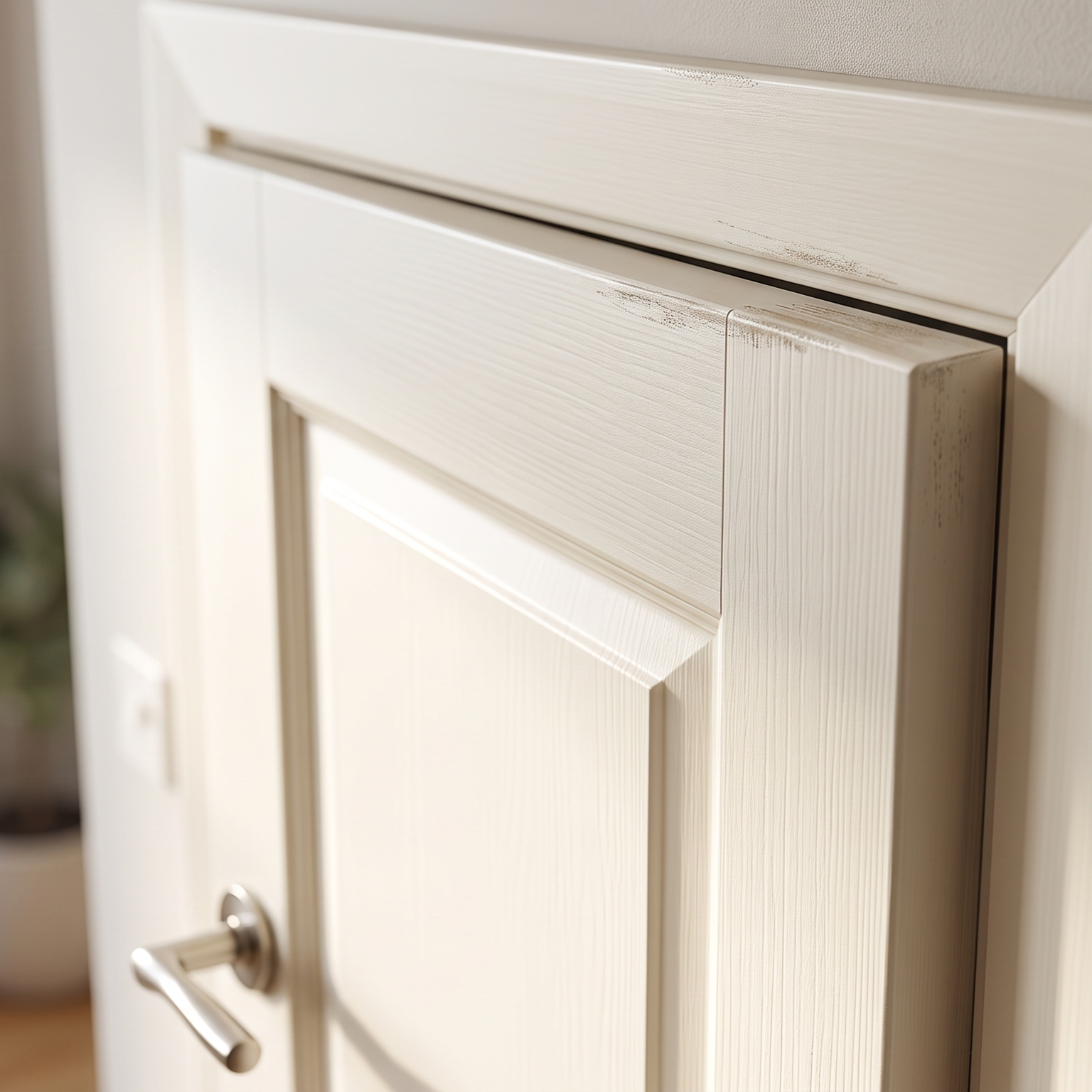
Quick Answer: Interior doors stick in humid weather because wood is porous and absorbs moisture from the air, which makes it swell and expand until the door rubs the frame. It's most common in summer's humidity and usually eases when the air dries out. Normal seasonal sticking comes and goes with the weather. The fixes range from controlling indoor humidity to lightly sanding or planing the rubbing edge and sealing it. But sticking that's getting worse year over year, or paired with cracks or uneven floors, can signal moisture problems or house movement worth a closer look.
Every summer it's the same: the bathroom door that swung freely in winter now needs a shoulder to close, the bedroom door scrapes the frame, and by fall they're fine again. Sticking doors are one of the most common humid-weather complaints in Mid-Atlantic homes, and most of the time, the cause is simple physics happening inside the wood. Understanding why it happens tells you what's normal seasonal behavior and what might be a sign of something more.
Wood Swells When It Soaks Up Moisture
Wood is porous, and it's always exchanging moisture with the surrounding air. When the air is humid — as it is through a Mid-Atlantic summer — the wood in your doors absorbs that moisture and physically expands. A door is sized to fit its frame with just a small gap around the edges, so it doesn't take much swelling to close that gap and start the door rubbing or binding against the jamb. When the air dries out in fall and winter, the wood releases the moisture, shrinks back, and the door swings freely again. That seasonal swell-and-shrink cycle is the basic reason doors stick in summer and loosen in winter.
What's Normal and What the Sticking Tells You
Normal Seasonal Sticking
If a door starts sticking in the humid months and frees up when the air dries, that's normal seasonal movement — the wood doing exactly what wood does. It's annoying but not a sign of damage. Most interior doors in a humid climate do this to some degree, especially in rooms without much climate control.
Where It Tends to Be Worst
Sticking shows up most in the most humid spots and seasons: bathrooms, where showers add moisture; rooms that aren't well ventilated or air-conditioned; and the peak of summer humidity. Solid wood doors swell more noticeably than hollow or composite ones. None of that is cause for alarm on its own — it's just where the moisture is highest. You'll often notice it first on the doors you use most, simply because you feel the extra resistance every day. A door at the top of a humid stairwell or in a closed-up guest room can swell just as much, even if you don't catch it until you go to open it. The pattern follows the moisture, not the door.
When Sticking Might Mean More
The version worth a second look is sticking that's getting worse year over year, rather than just cycling with the seasons, or sticking that comes with other signs — cracks in the walls, gaps opening at trim, uneven or sloping floors, or windows binding too. That combination can point to a moisture problem in the structure or to the house settling and shifting, which moves frames out of square. Worsening, persistent sticking paired with those clues is worth investigating beyond the door itself.
How It Gets Fixed
The right fix depends on whether it's seasonal swelling or something more.
For normal humidity-driven sticking, the gentlest first step is to manage indoor moisture — running air conditioning or a dehumidifier and ventilating humid rooms like bathrooms — which can reduce swelling enough to free the door. If the door still rubs, the rubbing edge can be lightly sanded or planed to restore the gap, and then sealed or painted, since bare wood absorbs even more moisture and swells more. The key is taking off only a little: plane too much in summer, and the door can end up with a big gap come winter when the wood shrinks back. Sometimes the issue is just a loose or misaligned hinge, which is a quick adjustment.
| Situation | Likely cause | Fix |
|---|---|---|
| Sticks in summer, fine in winter | Normal seasonal swelling | Control humidity; light sand/seal if needed |
| Bathroom door sticks | Shower moisture, poor ventilation | Ventilate; manage humidity |
| Bare wood edge swelling badly | Unsealed wood absorbing moisture | Sand and seal/paint the edge |
| Worse every year, or with cracks/uneven floors | Possible movement or moisture issue | Investigate the structure |
When you fix a sticking door, do it on a humid day when the wood is most swollen, and remove as little material as possible. If you sand or plane it dry in winter, you'll likely take off too much and end up with a door that rattles in its frame all summer.
Frequently Asked Questions
Because summer humidity is high, and wood absorbs moisture from humid air and swells. Your doors are sized to fit their frames with a small gap, so even a little swelling makes them rub or bind. When fall and winter dry the air out, the wood releases that moisture, shrinks back, and the doors swing freely again. This seasonal swell-and-shrink cycle is why sticking appears in the humid months and disappears in the dry ones.
Usually not, if it's seasonal — sticking in humid weather and freeing up when the air dries is normal wood behavior. The time to look closer is when sticking gets worse year over year, rather than just cycling with the seasons, or when it appears alongside wall cracks, gaps at trim, or uneven floors. That combination can point to a moisture problem or the house shifting, which is worth investigating beyond the door itself.
Start by managing indoor humidity — air conditioning, a dehumidifier, and ventilating moist rooms like bathrooms can reduce the swelling that causes sticking. If the door still rubs, the binding edge can be lightly sanded or planed and then sealed or painted, since unsealed wood absorbs more moisture. Take off only a little, ideally on a humid day, so the door doesn't end up with too big a gap once the wood shrinks in winter.
Light sanding or planing of the rubbing edge can work, but with caution. Do it when the wood is at its most swollen — a humid day — and remove as little as possible, because if you plane it dry in winter, you'll take off too much and the door will have a large gap come summer. Also, seal or paint the planed edge afterward, since bare wood absorbs moisture and swells more. For minor cases, controlling humidity first is gentler.
Bare, unsealed wood absorbs moisture from the air more readily, so it swells more in humidity. Sealing or painting the edges of a door slows moisture absorption, reducing how much the door swells and sticks. That's why, after sanding a rubbing edge, it's important to seal it rather than leave it bare — an unsealed edge will just soak up moisture and swell again, undoing the fix.
Mostly the Weather, Sometimes a Clue
Interior doors stick in humid weather because wood soaks up moisture and swells until it rubs the frame, then shrinks back when the air dries — a normal seasonal cycle, especially in Mid-Atlantic summers and moist rooms. Managing humidity and lightly sanding and sealing a stubborn edge usually solves it. The version to take seriously is sticking that worsens year over year or comes with cracks and uneven floors, which can point to moisture or movement in the house. Read which one you have, and you'll know whether it's a quick fix or a closer look.
Doors sticking worse every summer? — Get them adjusted, sealed, and checked for any bigger cause by a family-owned home repair team. Precision Home Worx serves Wilmington, Bear, Newark. Call (302) 500-3676.


