
Why Your Caulk Keeps Cracking Around Windows and Tubs
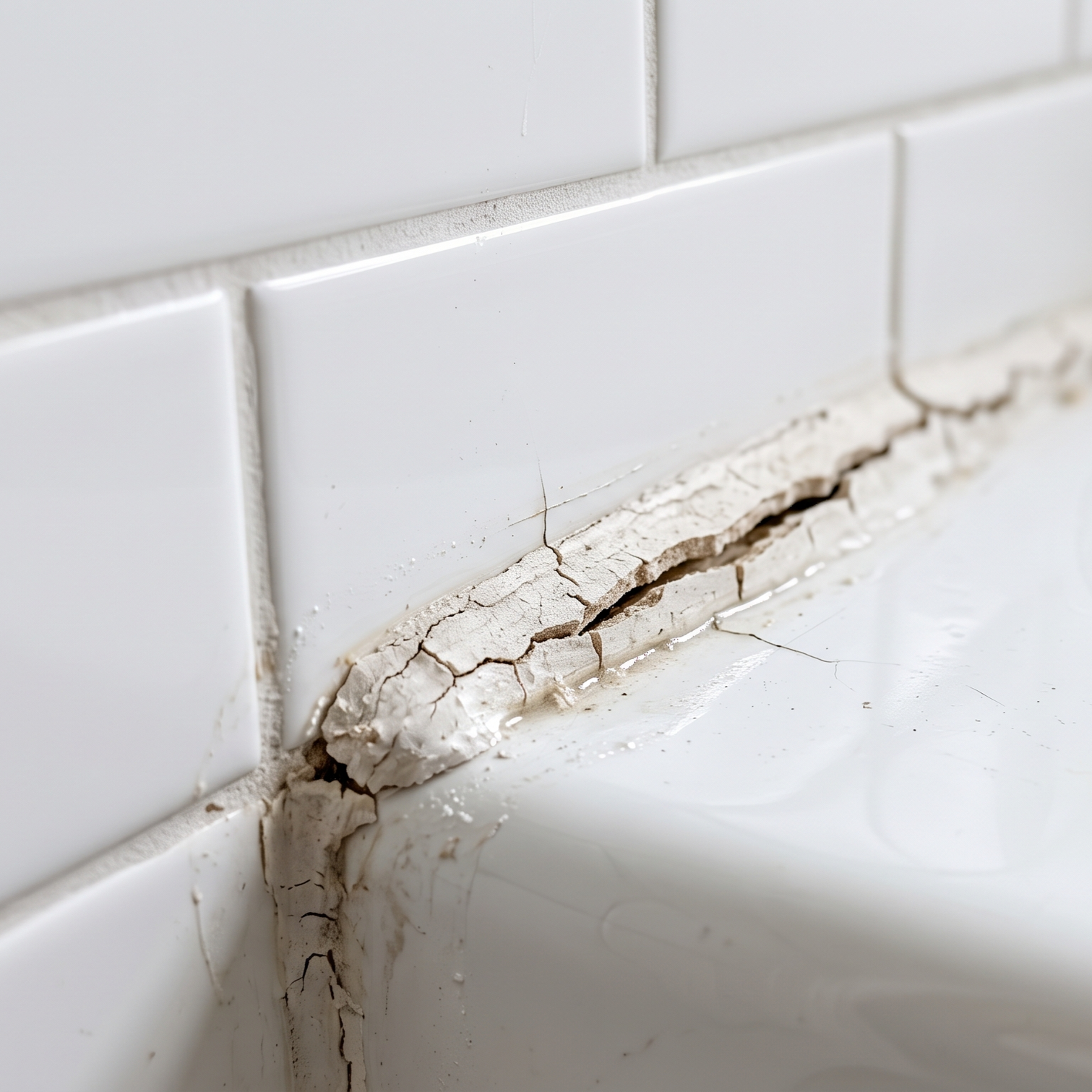
Quick Answer: Caulk cracks because it's a flexible seal doing a hard job: it has to stretch as materials expand, contract, and move, and eventually it loses that flexibility. Common causes are normal aging and hardening, the constant expansion and contraction around windows (temperature) and tubs (use and moisture), the wrong type of caulk for the location, poor surface prep or application, and moisture breaking the bond. It matters because cracked caulk lets water in — behind window trim or tub surrounds — where it causes rot, mold, and damage. Re-caulking is cheap; the water damage it prevents is not.
You notice it during a shower or while cleaning the windowsill — the once-smooth bead of caulk has cracked, split, or pulled away from the surface, leaving a thin gap. It seems minor, and that's exactly why it gets ignored. But caulk is a water seal, and a cracked seal is an open invitation for moisture to get where it does real damage. Understanding why caulk cracks explains both why it's so common and why it's worth fixing promptly, especially around windows and tubs where water is always nearby.
Caulk Is a Flexible Seal With a Limited Life
Caulk's whole job is to flex. It seals a joint between two surfaces — window and frame, tub and tile — that move relative to each other, and it has to stretch and compress as they do without losing its grip or splitting. That's a demanding role, and no caulk does it forever. Over time, and under constant movement and moisture, caulk hardens, loses flexibility, and eventually cracks or separates. So cracking isn't a freak failure; it's the predictable end of a flexible seal that's been working hard. The causes below are what wear it out or make it fail sooner.
Why Caulk Cracks
Normal Aging and Hardening
Caulk has a lifespan. As it ages, it dries out, hardens, and becomes brittle, losing the flexibility it needs to handle movement. Once it's brittle, the normal expansion and contraction it used to absorb cracks it instead. Even a good caulk job eventually reaches this point and needs redoing — it's maintenance, not a defect.
Constant Movement and Expansion
Around windows, temperature swings make the window and frame materials expand in heat and contract in cold, and the Mid-Atlantic's hot summers and freezing winters drive a lot of that movement. Around tubs, the tub flexes slightly when it fills with water and a person, then settles when empty, working the caulk joint with every use. This constant movement is what eventually cracks an aging, less-flexible bead.
The Wrong Caulk for the Job
Not all caulk is the same, and using the wrong type fails fast. A caulk that isn't flexible enough, or isn't rated for wet areas, won't hold up around a tub or window. Bathrooms and other wet spots need a flexible, mildew-resistant, waterproof caulk; using a general-purpose or low-quality product there is a common reason caulk cracks and fails early.
Poor Surface Prep or Application
Caulk only bonds to a clean, dry surface. Applied over old caulk, dust, soap scum, or a damp surface, it never grips properly and soon cracks or pulls away. Too thin a bead, or one applied poorly, also fails sooner. A lot of "bad caulk" is really bad prep — the new bead failed because the surface wasn't ready for it.
Moisture Breaking the Bond
Constant moisture, especially around a tub or a leaky window, works at the caulk's bond with the surface and can break it down, causing it to peel and separate. Once water gets behind the bead, it accelerates the failure and feeds the very damage the caulk was meant to prevent.
| Cause | What's happening | The fix |
|---|---|---|
| Aging, hardening | Caulk lost flexibility, turned brittle | Remove and re-caulk |
| Movement (temp, tub use) | Joint flexes more than old caulk can | Flexible caulk rated for the spot |
| Wrong caulk type | Not flexible/waterproof enough | Use proper wet-area, flexible caulk |
| Poor prep/application | Never bonded to clean, dry surface | Clean, dry, prep, apply properly |
| Moisture breaking bond | Water peels caulk from surface | Re-caulk and fix any leak source |
Why It Matters More Than It Looks
A thin crack in a caulk line looks trivial, but caulk is a water barrier, and a cracked barrier lets water through to places it shouldn't go. Around a tub or shower, water seeping behind the surround reaches the wall framing and subfloor, where it causes rot, mold, and damage that's expensive to repair. Around a window, water getting behind the trim soaks the wood and wall, leading to rot and the kind of hidden damage that turns into a major repair. The caulk is cheap insurance; the damage from ignoring a failed bead is not. That's why re-caulking promptly when you see cracking or separation is worth it — you're not fixing a cosmetic line, you're closing a water entry point.
When you re-caulk, remove the old caulk completely, clean the joint, and make sure it's fully dry before applying a fresh bead of flexible, waterproof, mildew-resistant caulk rated for the spot. New caulk over old or onto a damp surface is the number-one reason a re-caulk job cracks again within a season.
Frequently Asked Questions
A tub joint requires constant movement and moisture. The tub flexes slightly each time it fills with water and a person, then settles when empty, working the caulk with every use, and the wet environment wears at the bond. If the caulk is aging and brittle, or it's the wrong type or was applied over a dirty or damp surface, it cracks. The fix is removing the old caulk, prepping a clean, dry joint, and applying a flexible, waterproof, mildew-resistant caulk made for wet areas.
Caulk has a limited lifespan and is a maintenance item, not a one-time job. It eventually dries out, hardens, and loses the flexibility it needs, so even a good application will crack or separate over time and need redoing. How quickly it fails depends on the location, the product, the prep, and the amount of movement and moisture it faces. Rather than a fixed schedule, watch for cracking, gaps, or separation, which are the signs it's time to re-caulk.
Yes. Different caulks are made for different jobs, and using the wrong one is a common cause of early failure. Wet areas like tubs and showers need a flexible, waterproof, mildew-resistant caulk that can handle constant moisture and movement; a general-purpose or low-quality product will crack and fail fast. Matching the caulk to the location — flexible and water-rated for wet spots, appropriate for exterior temperature movement around windows — is key to a seal that lasts.
It's more than cosmetic. Caulk is a water seal, so a crack or gap lets moisture get behind window trim or a tub surround, where it reaches framing and subfloor and causes rot, mold, and damage that's costly to fix. The visible crack is small, but what water does behind it is not. That's why cracked or separating caulk is worth addressing promptly — you're closing a water entry point before it leads to hidden damage.
Almost always because of prep or product. Caulk bonds only to a clean, dry surface, so applying it over old caulk, dust, soap scum, or a damp joint means it never grips properly and cracks or peels quickly. Using a caulk that isn't flexible or waterproof enough for the spot fails fast, too. To last, new caulk needs the old fully removed, the joint cleaned and dried, and the right flexible, water-rated product applied in a proper bead.
A Small Seal Worth Keeping Sound
Caulk cracks because it's a flexible seal with a limited life, worn out by aging, the constant movement around windows and tubs, the wrong product, poor prep, or moisture breaking its bond. The crack looks minor, but caulk is a water barrier, and once it fails, water gets behind the trim or surround and causes the rot and mold that turn into expensive repairs. Re-caulking promptly with the right product and proper prep is cheap insurance against that damage. Keep the seal sound, and you keep the water out.
Caulk cracking or pulling away around your windows or tub? — Get it resealed right, with proper prep and the correct product, by a family-owned repair team. Precision Home Worx serves Wilmington, Bear, Newark. Call (302) 500-3676.


