
Classic Chair Railing: A Timeless Addition to Any Interior
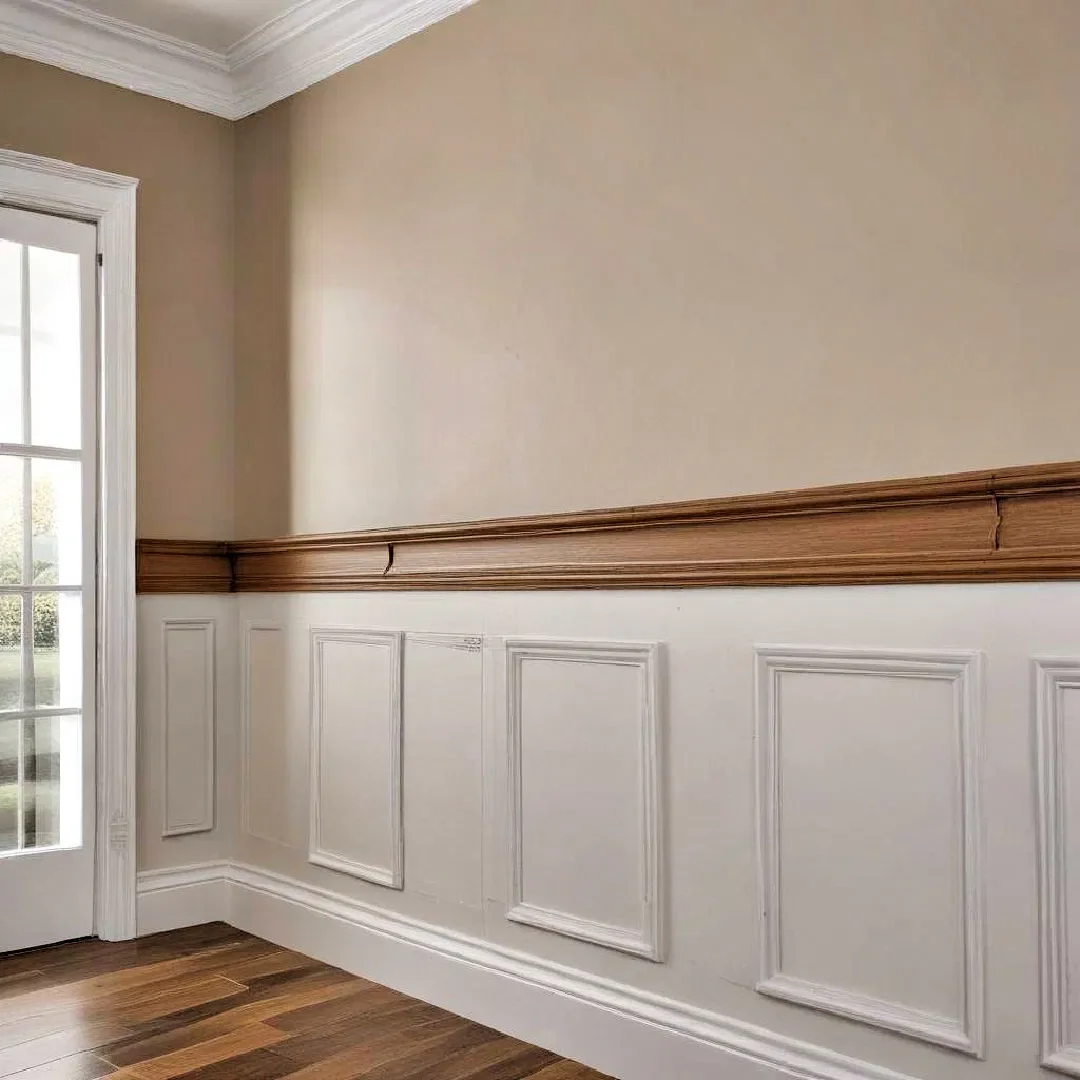
Chair railing has long held a quiet but dignified spot in the world of interior design. It’s not flashy. It doesn’t demand attention. Yet, when installed correctly by a professional handyman or general contractor, chair rail molding elevates a room in ways that even expensive art cannot. There’s a kind of quiet authority in its symmetry, a blend of history and practicality that makes it a staple in both traditional and transitional spaces.
Unlike quick-fix design trends that cycle in and out with the seasons, chair railing provides a subtle but striking aesthetic that never falls out of favor. With professional home repair services handling the installation, it becomes more than a decorative strip. It turns into a hardworking detail that protects your walls while tying the whole room together.
Why history still matters in modern homes
Chair railing did not spring from a design magazine. It was born from necessity. In the 18th century, when furniture was large and often in motion, homeowners used wooden rails to shield their plaster walls from high-backed chairs. Fast forward a few hundred years, and what started as a purely functional architectural detail now adds a refined, finished look to living rooms, staircases, and bedrooms alike.
A licensed residential contractor or experienced handyman knows how to honor that heritage while updating the application for today’s homes. They strike the right balance between historical accuracy and modern sensibility. It’s not just about installing trim. It’s about installing a sense of purpose.
Choosing the right materials for your space
This process is not the time to play a guessing game in the home improvement aisle. Chair rails come in a wide array of materials, from sturdy oak to sleek PVC. Each option has strengths and weaknesses, and a professional general contractor can weigh your specific layout, existing architecture, and budget before making recommendations.
Solid hardwoods offer longevity and warmth, perfect for a colonial-style dining room or craftsman-inspired hallway. Composites and MDF, on the other hand, may be ideal for high-humidity spaces or when the budget calls for a more affordable option. An experienced handyman does more than throw up a piece of molding. They evaluate your space like a living ecosystem, making sure every detail supports your home’s overall harmony.
Planning is everything in a successful installation
You cannot wing it when it comes to chair rail placement. Precision is not a luxury here. It is a requirement. Before a single board is cut, a licensed handyman can assess the walls for plumb, inspect the baseboards and casings, and measure meticulously from floor to ceiling. Nothing is left to chance.
Professional home repair services include detailed planning that accounts for variables most homeowners do not consider, such as subtle floor slopes or uneven wall textures. The goal is to create visual continuity, not a guessing game of mismatched lines. That level of care only comes from someone who has done it dozens or even hundreds of times.
Achieving the height right is an art form
Chair railing height is not arbitrary, even though it might seem like it. Too low, and it looks lost. Too high, and it chops the wall in half like a bad haircut. Most professionals settle somewhere between 28 and 36 inches off the floor, but a good general contractor customizes that number based on ceiling height, room size, and furniture proportions.
Professional handymen understand the importance of eye-level harmony. They can walk you through different height options, sometimes even mocking up sample sections to show you how the rail interacts with existing elements like windowsills, wainscoting, or art installations. The result is clean sightlines that create rhythm and flow throughout the space.
Seamless corners and invisible transitions
Corners are where amateur installations go to fail. No amount of caulk can save a poorly cut corner, and trying to patch bad joins with paint usually makes things worse. That is why professional handyman services prioritize clean miter joints and tight copes that keep every angle looking crisp.
Transitions between rooms, openings, or unusual wall segments are not a hassle for a licensed handyman. They are an opportunity to shine. Whether it is wrapping around a window frame or tying in with a staircase rail, pros use their experience and tools to solve problems that most homeowners never even see coming.
Surface prep: where projects succeed or fail
Any seasoned residential contractor can tell you that 90 percent of a successful installation happens before the molding ever touches the wall. Surface preparation is the unsung hero of durable installations. That means smoothing uneven textures, identifying gaps or bumps that can interfere with adhesion, and sometimes even reinforcing the drywall with fasteners to provide a solid bond.
A professional handyman knows which surfaces need sanding, patching, or priming before mounting. They bring the right adhesives, caulk, and fasteners for the specific material and wall type. The goal is a bond that cannot crack, shift, or separate after a few temperature swings.
Making everything play nice with your existing trim
Chair railing does not exist in a vacuum. It has to move along with baseboards, crown molding, door casings, and window trims. And if you have ever seen a room where none of those elements line up correctly, you know how jarring that mismatch can be.
General contractors understand the rules of visual alignment. They evaluate your current trim profiles and adjust the chair rail accordingly to avoid awkward overlaps or jarring breaks. Whether that means adjusting the height slightly or customizing the rail profile to mimic existing moldings, the result is a seamless, intentional look that feels like it was always part of the plan.
The finishing touch: stain, paint, and polish
After the chair rail is secured, the finish work begins. And this is where the magic happens. The right stain or paint does not just beautify the trim. It protects it. A licensed handyman knows whether to use an oil-based primer, when to sand between coats, and how to achieve a smooth finish without brush marks or drips.
Painting might seem like a simple step, but doing it well is a skill unto itself. It requires clean lines, steady hands, and the patience to do multiple coats if needed. Whether you are going for a glossy white to match your baseboards or a bold contrast color to make the rail pop, the finish determines whether your project reads as professional or just passable.
Solutions for the weird spots in your home
Not every wall is a flat rectangle, and not every room is straightforward. That is where real craftsmanship comes in. Curved walls, angled corners, and offset windows can stump even experienced DIYers. But a professional handyman thrives on these challenges.
They know how to bend certain materials without snapping them. They use heat, steam, and specialized tools to manipulate trim into custom shapes. And when a standard rail just cannot cut it, they fabricate custom pieces that match the rest of the room flawlessly. Those are the kinds of details you never notice consciously, but you would definitely notice if they were not done well.
Keeping your home spotless during installation
Nobody wants a trail of sawdust and scuff marks left behind after a home upgrade. A qualified general contractor understands the importance of working clean. That means laying down drop cloths, masking off areas with painter’s tape, and vacuuming as they go.
Professional handyman services do not just focus on the end product. They focus on how they leave your space when they are finished. From protecting hardwood floors to covering electrical outlets during sanding, the small steps add up to a big difference in your overall experience.
Handling outlets and switch plates with care
It is amazing how many walls are cluttered with outlets, switches, and hidden wires. A seasoned handyman knows how to navigate around them without compromising the design or damaging the electrical infrastructure. They cut trim with precision to accommodate outlet boxes and maintain consistent spacing.
More importantly, they follow all safety protocols while working near electrical fixtures. They shut off circuits if needed and check for hidden wires before driving nails or screws. It is the kind of cautious professionalism that keeps your house both beautiful and safe.
Futureproofing your chair railing investment
A great installation does not just look good on day one. It stands the test of time. That means planning for expansion and contraction, choosing adhesives that can not fail, and avoiding materials that are prone to warping or splitting.
Licensed home repair services build longevity into the design. They factor in temperature shifts, humidity exposure, and wear from daily life. If your baseboards settle over time or your paint starts to yellow, they can give you specific guidance on when and how to maintain or refresh the finish. There is no guesswork, just informed recommendations.
Knowing what each season can do to your trim
Humidity is not your friend when it comes to wood-based trim. Swelling, shrinking, and warping are all possibilities depending on the season. Professional general contractors understand which materials behave best in which climates and offer advice on how to care for your trim as the weather changes.
They might recommend different cleaning products for summer versus winter or suggest small touch-ups during seasonal transitions. That kind of insight can prevent minor issues from becoming major problems, especially in homes with older plaster walls or shifting foundations.
Chair railing done right: the value of going pro
Chair rail molding might seem like a small addition, but it offers a surprising return on investment. It boosts visual appeal, protects your walls, and increases perceived value for potential buyers. More importantly, when installed by a licensed handyman or experienced residential contractor, it becomes a lasting asset instead of a short-lived trend.
It is not about grabbing a few boards and a caulking gun. It is about trusting someone who understands the architecture of your home and knows how to bring out its best features. From strategic planning to flawless execution, professional handyman services take your vision and turn it into a polished, precise result that elevates the entire space.
Whether you are renovating a formal dining room or freshening up a hallway, a properly installed chair rail does more than sit on the wall. It anchors the room, adds character, and reminds you that good design does not always have to shout. Sometimes, it just needs to be well measured, carefully cut, and perfectly placed.
Precision Home Worx offers quality decks and porches, general carpentry and interior work, specialty and maintenance services, and plumbing and drains solutions in Claymont, DE, and surrounding areas. Call us today for a free estimate/consultation. Our fully licensed and insured professionals deliver the best results. Get one-year warranty, reliable and prompt solutions, and competitive pricing with free estimates. Call now!


