

Drywall & Plaster Repair in Wilmington, DE
- Nail Pops, Cracks and Holes
- Plaster Walls and Ceilings
- Patches Finished Flush
If you know whether the wall is plaster or drywall, mention it when you call.
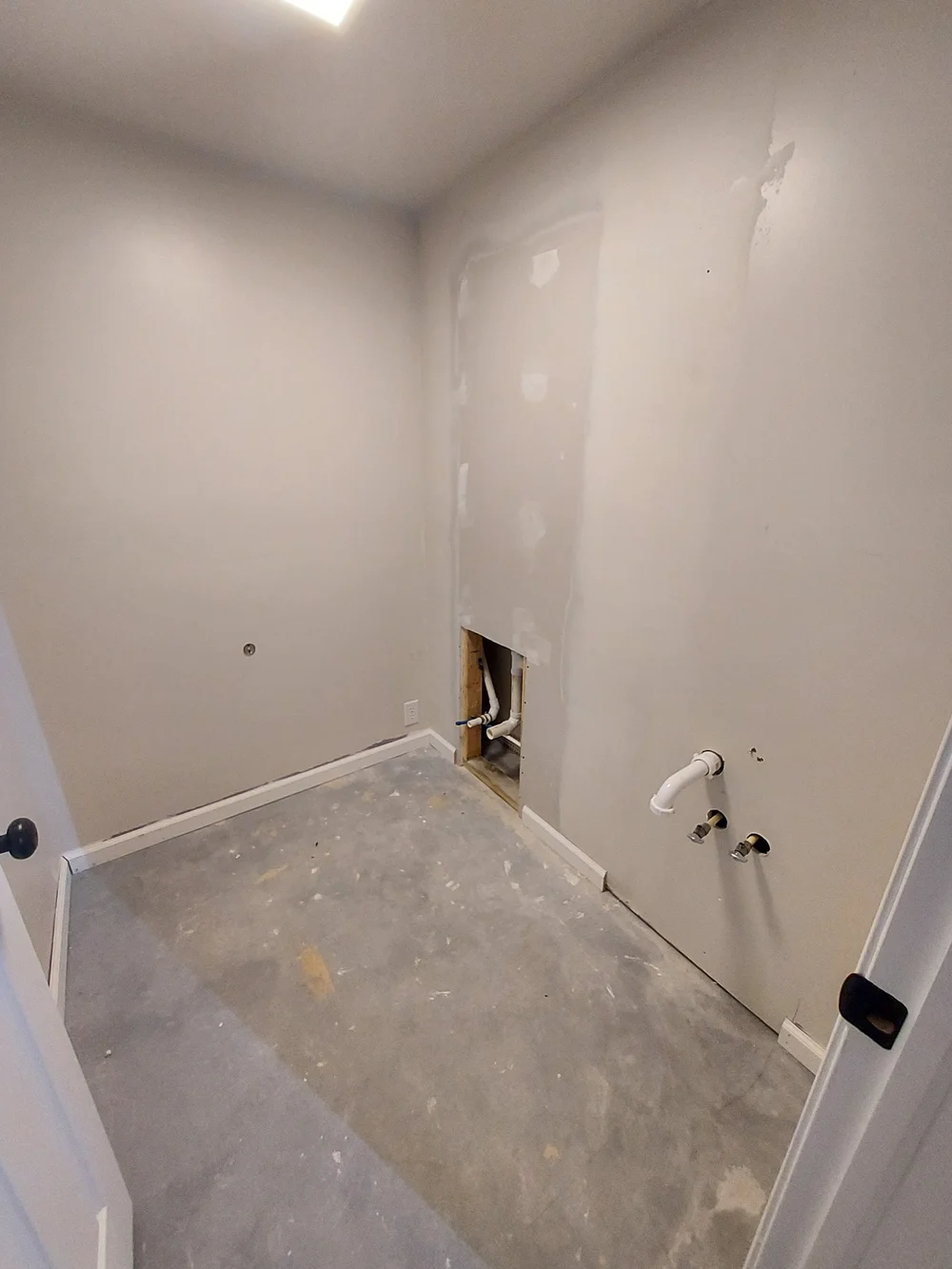
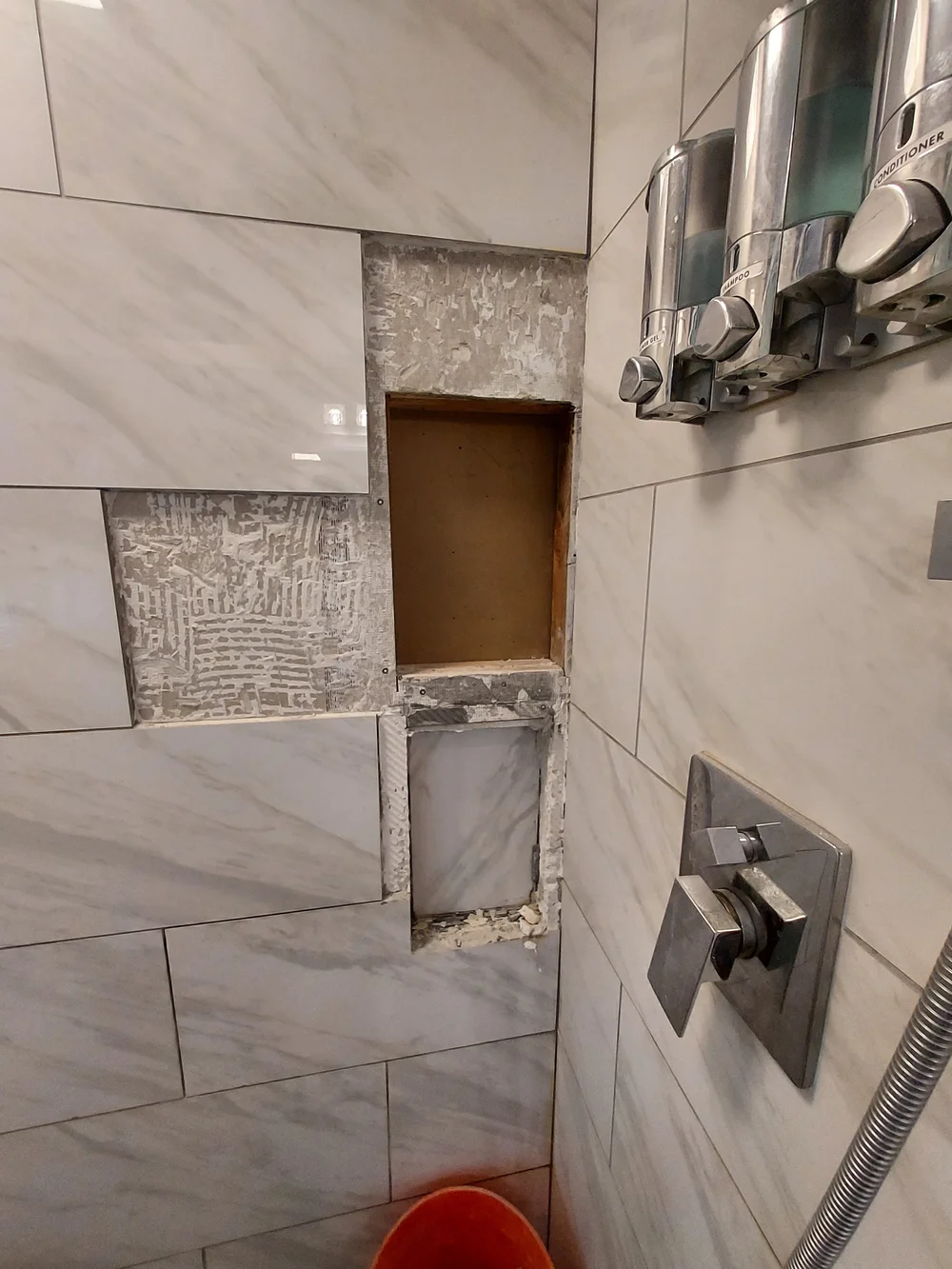
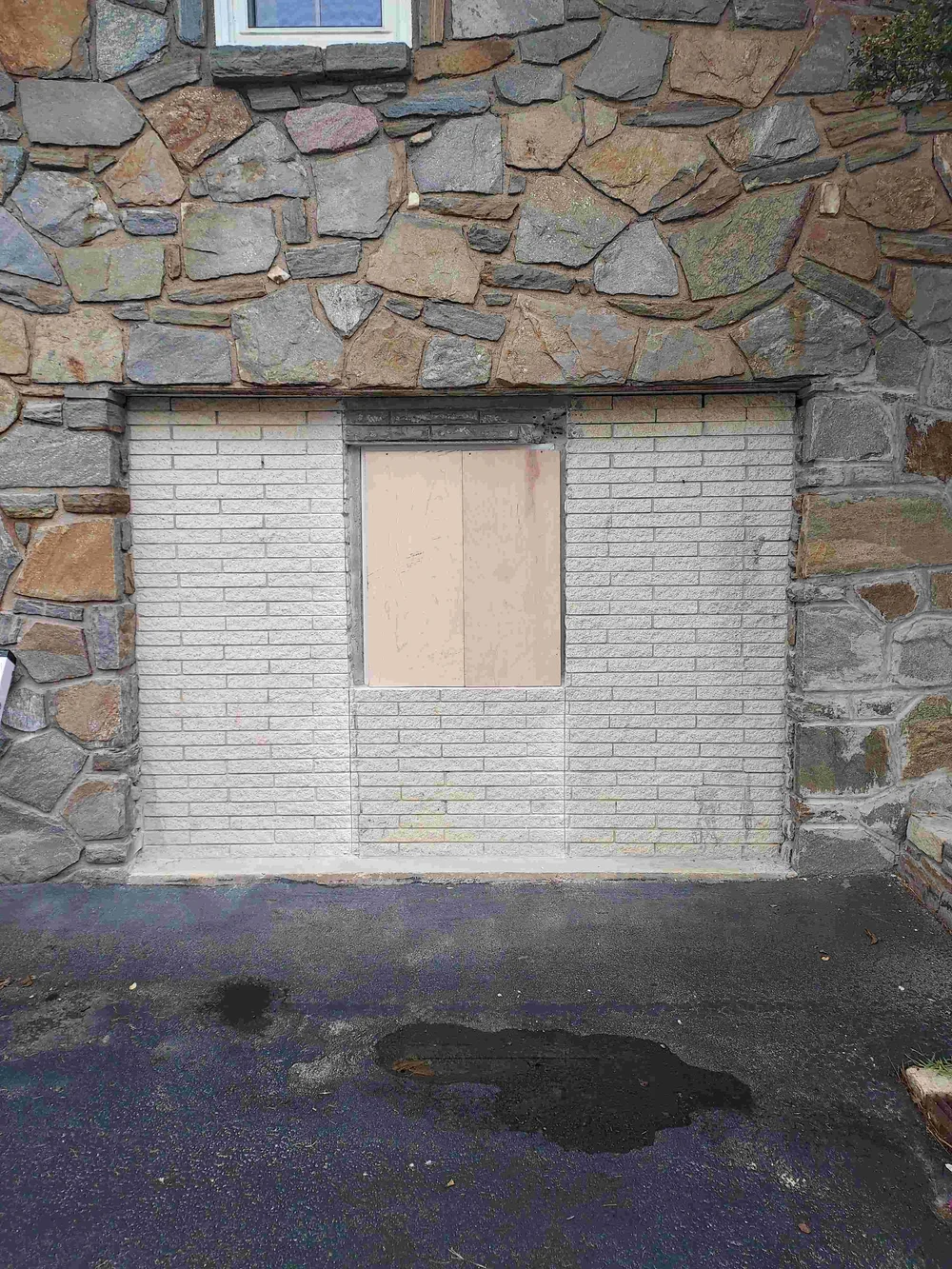
A crack running up from the corner of a door, a row of round bumps across the ceiling, a hole where the doorknob met the wall: wall damage starts small and stays in plain sight. Some of it is cosmetic. Some of it is the house telling you the framing moved or water got in from above.
Our wall repairs start behind the surface. Jimmy Grubb works out what caused the damage before he fixes what it left behind, so the patch is not covering a problem that is still moving. He and his son do the carpentry inside the wall and the finish work on its face.
Wall and Ceiling Repairs With a Google Record
Plaster treated as plaster
A plaster wall is built back to its own depth, not patched like a sheet of drywall.
Seams feathered wide
Compound goes on in thin coats and is sanded flat to the wall around it.
Framing and finish together
The framing behind the wall and the surface in front of it are handled on the same job.
What Makes Walls and Ceilings Crack, Pop and Sag
Drywall and plaster fail for different reasons, and the cause determines how much of the wall or ceiling has to be opened up before the surface can be made good.
Drywall nail pops, cracks and holes
Drywall is a rigid panel fastened to wood that keeps moving. As framing lumber dries and the house settles, a nail can back out and push its head through the compound, which is the round bump you see on a ceiling. Cracks open where the movement concentrates: at the top corners of doors and windows, and along taped seams. A pop is fixed by resetting the nail and driving a drywall screw beside it to pull the panel tight to the stud. A crack is cut open and re-taped so it has something to hold. A hole too large for compound alone gets backing behind it and a new piece of drywall.
Plaster walls and ceilings
Plaster fails in two ways. It can stay in one piece but come loose from the wood lath behind it, which you feel as a wall that gives when you press on it or see as a ceiling that begins to belly. Or it can crack and crumble until a section falls away. Whether loose plaster that is still whole can be fastened back to the lath, with plaster washers drawing it tight, or has to be cut out is something Jimmy decides at the estimate. A crumbled section is cut back to sound edges and filled to the wall thickness around it, so the repair sits flush.
Ceilings after a leak
A ceiling soaked by a leak is rebuilt once the leak itself is fixed, and that work has its own page.
Ceiling repair after a leakPatch, new piece or new section of wall
Three questions shape a wall repair, and Jimmy works through them at the estimate. Is the surface sound? Firm drywall with a crack or a pop gets repaired in place, while drywall that crumbles at the edges or feels soft comes out. Is the plaster still attached? He presses along the wall and ceiling to find where it has let go of the lath, because that edge, not the visible crack, is the true size of the repair. Is the framing behind it sound? A crack that keeps coming back over a door, or a sagging spot in a ceiling, can point to framing that needs attention first. Together the answers tell you whether the job is a patch, a new piece of drywall or a new section of wall.
Plaster walls in Wilmington homes
Where a Wilmington house has plaster on wood lath, the wall went on wet, in coats, over thin wood strips nailed across the studs. It holds because part of the first coat squeezed through the gaps and hardened into keys on the back side. Those keys break as the lath shrinks and swells through the seasons and the house moves around it. The long crack that runs across a ceiling or out from a door corner is the sign. Plaster is also harder and thicker than a sheet of drywall and has no paper face, so a repair can't be handled like a drywall patch. The fill has to be built up to the depth of the old wall and feathered into a hard surface, or the edge of the patch shows.
How a Damaged Wall Gets Put Right
The crack, the hole or the sag
Call or text Jimmy with where the damage is and what it looks like: a crack, bumps, a hole, a stain or a sagging ceiling. If it came from a leak, tell him whether the leak has been fixed.
The cause found first
At the estimate, he presses along the plaster and checks the drywall around the damage for soft edges. Then he looks for the cause: a door frame that moved, a fastener that backed out or a wet spot overhead.
The room is protected
Drop cloths and runners go down from your entry to the work area before any cutting or sanding starts.
The fix itself
Loose plaster is fastened back or cut out, as planned at the estimate. Damaged drywall is cut out, and framing or backing is put right where it needs it. Then the compound goes on in coats. Each coat has to dry before the next, so a repair can take more than one visit.
A hand across the patch
The repair is sanded flat. Jimmy walks it with you so you can run a hand across the edges of the patch, then the drop cloths come up.
The Repair List, Surface to Framing
| Damage | What we do | Good to know |
|---|---|---|
| Nail pops | Reset, screwed tight to the stud, filled and sanded | Show as round bumps on ceilings |
| Cracks at seams and door corners | Cut open, re-taped and finished | Framing checked if it keeps returning |
| Holes from doorknobs and anchors | Filled, or backed and patched with new drywall | Larger holes need backing first |
| Loose or cracked plaster | Fastened back where it can be, or cut out and refilled | Decided at the estimate |
| Crumbled plaster sections | Cut back to sound edges and filled flush | Repaired in plaster where it can be |
| Ceiling drywall after a leak | Cut out to the framing, new drywall hung and finished | Only after the area is dried out and cleared |
| Framing and backing behind the damage | Where needed | Checked at the estimate |
| Drying out and mold removal | Not included | Handled by others before we start |
| Painting the repaired area | Not included | Left ready for paint |
We don't paint walls, ceilings, or trim. Repairs are finished ready for paint.
A wall or ceiling that is still wet from a leak or has mold in it must be dried and cleared by others first; we take on the repair after that, and we don't take water-damage insurance jobs.
We don't smooth or remove textured ceilings.
Pricing a Wall or Ceiling Repair
- Repair
Drywall or plaster repair
Price range$400 to $1,500 - Repair
Ceiling repair after a leak
Price range$1,000 to $10,000
The smallest kind of wall work is a re-taped seam over one doorway. The largest is a plaster wall that has failed along a whole stretch because the area involved can extend well past the crack you see. Framing found damaged behind the surface adds carpentry time to any of them.
Hourly work is billed at $75 an hour for a skilled craftsman and $25 an hour for a general assistant, with a four-hour minimum on most jobs.
A single small task, like a smoke detector or a lock, is a $100 service call plus $25 for every 15 minutes of work.
Jimmy prices every project in person at your home, never from a photo or a text. Project estimates are free and are usually scheduled in the evening.
Our warranty
Our work carries a one-year workmanship warranty, dated from the day the job is finished.
Google Reviews Near Wilmington on Drywall, Ceilings and Trim
Drywall installed and a ceiling repaired
Mark P, Google review, February 2025
“He did the job right and so much faster than I could. He remodeled our master bath from the studs out including a beautiful tile job in our shower, built a new wall in a closet, installed drywall, installed new door casing that perfectly matched existing molding, did ceiling repair and enclosed skylight openings.”
Repairs completed with care
Mindy Martin, Google review, April 2025
“Precision Home Worx consistently delivers outstanding work. The team is not only friendly but also truly listens to what needs to be done. They take their time to ensure every repair is completed with care and precision.”
More reviews from our customers, straight from Google.
Wall and Ceiling Repair, Answered
A patch shows up when its edges stand proud of the wall or when it soaks up paint differently from the surrounding surface. Feathering the compound wide and a coat of primer before paint deal with both. Sheen matters too: a flat paint hides a repair better than a glossy one, so be sure to tell your painter.
It has to, or the patch stands proud of the wall or sits in a dip. Walls are commonly half-inch board and some ceilings five-eighths, so the piece cut in matches what is already there. On plaster, the fill is built up to the plaster's own depth instead.
Where the brown layer under the face paper shows, it is sealed before any compound goes on, because wet compound soaks into bare paper and makes it bubble. After that, the area is skimmed flat like any other repair.
Yes, on the painted walls and ceiling. Near a tub or a shower, where steam settles, the patch is made in moisture-resistant board, and the seams are taped and finished like any other repair. Tiled walls around the tub or shower are part of a shower repair.
Yes. The cover plate comes off, and the new drywall or fill is cut around the box. Then the plate goes back on over the finished edge. The box itself stays where it is.
Before You Reach for the Patching Compound
Call or text Jimmy with where the crack, hole, or sag is and how long it has been there. He will set a time to look at it in person and price the repair there.
Precision Home Worx · Based in Claymont, DE · (302) 321-3577 (call or text) · Monday through Sunday, 7 a.m. to 8 p.m.
Delaware business license #223872998 · General liability insurance and RLI surety bond #LMS1971327
Serving Wilmington, Claymont, North Wilmington, Hockessin, Pike Creek, Greenville, Newark, New Castle, Bear and the rest of northern Delaware.
Related services
The main service
Handyman servicesWhere we work
Behind the wall
Where we repair walls and ceilings
Drywall and plaster repairs across Wilmington, Claymont, North Wilmington, Hockessin, Pike Creek, Greenville, Newark and New Castle.

