

Deadbolt and Lock Installation in Wilmington, DE
- New Deadbolts Bored and Fitted
- Worn Locks Swapped
- Battery Smart Deadbolts
Bring the locks you bought, or pick them at the visit.
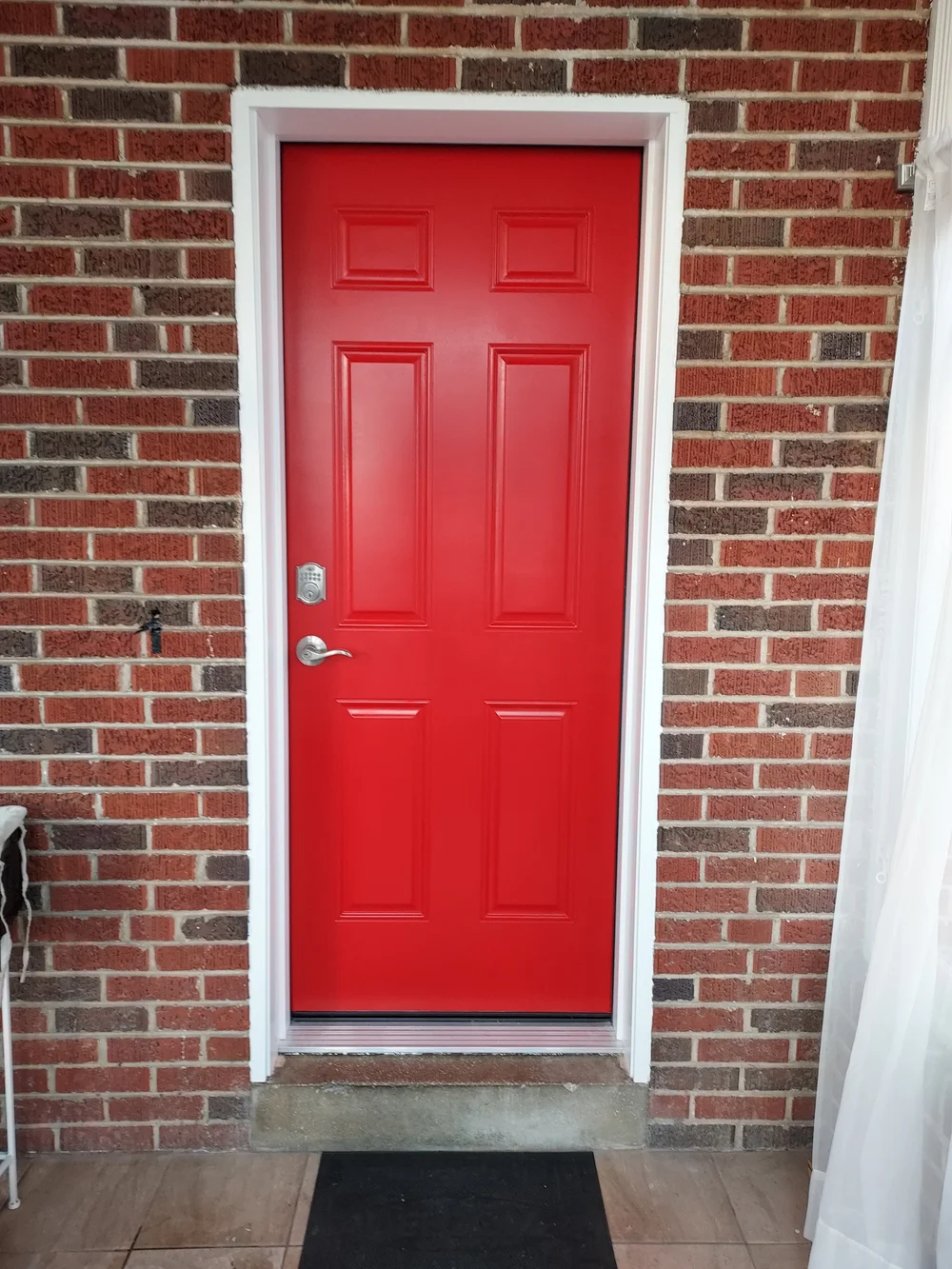
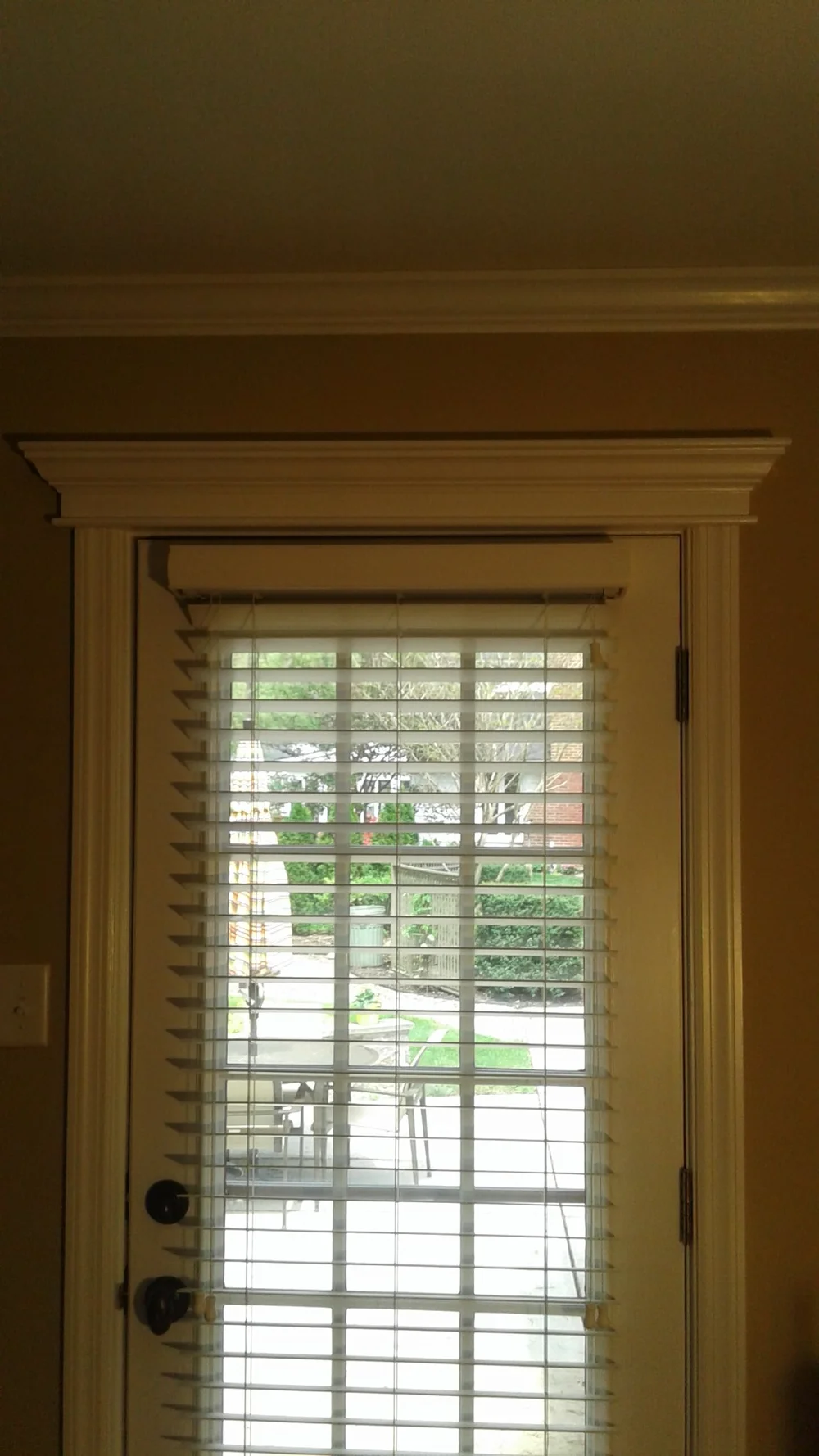
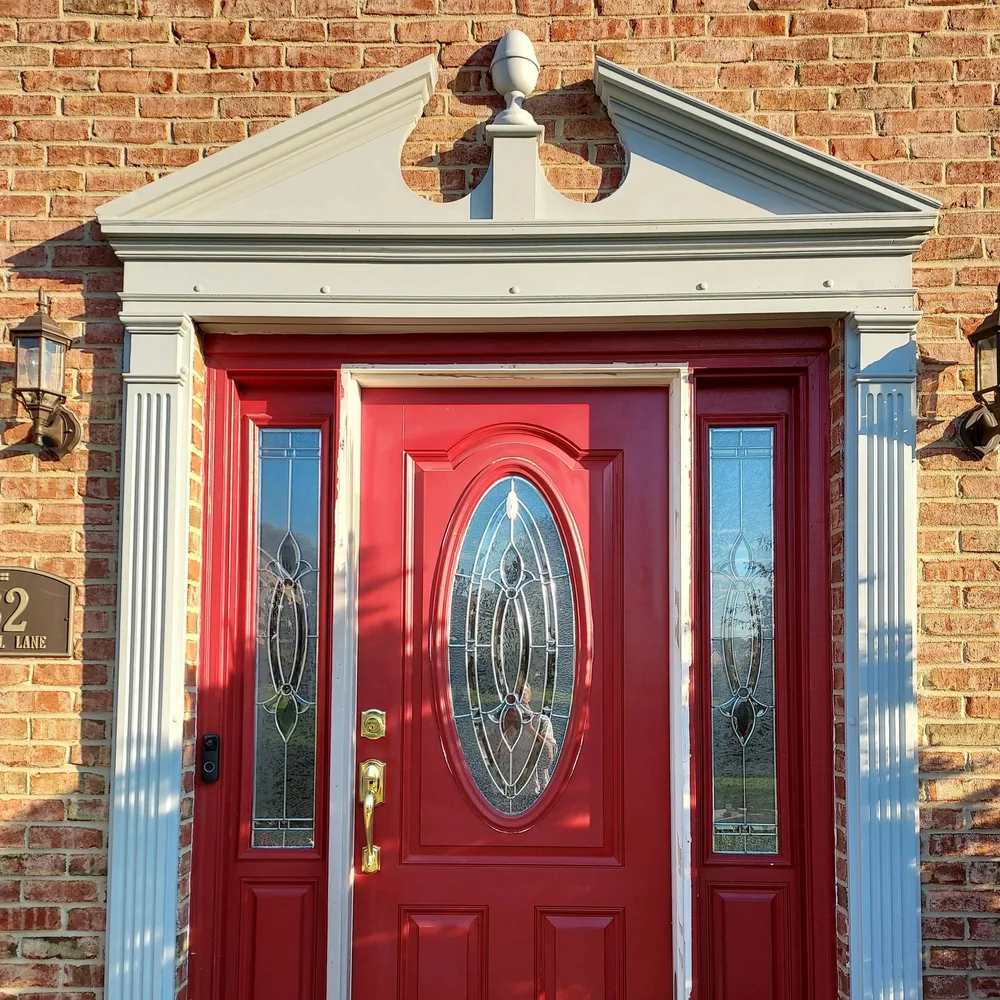
The steel bolt of a deadbolt is thrown into a wood jamb, and it holds as well as that jamb and the edge of the door around it do. On a door that has carried more than one lock, the work starts with what is left of the wood.
We install new deadbolts and replace worn locks on house doors, including battery-powered smart deadbolts with a keypad. Where a door needs boring, Jimmy Grubb bores it, sets the strike in the frame and fits the bolt so it slides all the way home without forcing the key.
Who Fits the Locks on Your Doors
A strike that bites into the framing
Long screws reach past the jamb into the framing behind it, where there is framing to reach.
Old holes filled or covered
Oversized or split bores from an earlier lock are dealt with before the new one goes in.
One key for every door
Locks bought keyed alike go in the same way as any other, so the house runs on a single key.
What a Deadbolt Bolts Into
Lock work splits by what the door already has: no deadbolt at all, a deadbolt that has worn out or a keyed lock you want to trade for a keypad.
Adding a deadbolt to a door that has none
A knob lock alone holds the door, while a spring latch is far easier to force than a deadbolt. A deadbolt adds a square-ended bolt that only the key or the thumb turn can move. Fitting one means boring two holes. A standard deadbolt takes a 2 1/8-inch hole through the face of the door for the lock body and a 1-inch hole in the edge for the bolt, set back from the edge by 2 3/8 or 2 3/4 inches. Then the jamb is cut for the bolt and its strike plate.
Swapping a lock into holes that already fit
When the door is already bored to the standard size and the old lock is worn, sticking or just the wrong finish, the new lock goes into the same holes. The bolt is matched to the backset, the distance from the door edge to the center of the hole, and the strike is lined up with the bolt or moved to meet it.
Steel and fiberglass entry doors come from the factory bored for a knob and a deadbolt. Under the skins, the door is foam, with a wood block only where the locks go, so a new lock belongs in those factory holes. Boring a second deadbolt somewhere else can mean drilling into foam with nothing solid for the lock to bear on.
Battery smart deadbolts
A battery-powered smart deadbolt uses the same standard bore as a keyed one, with a keypad on the outside and a motor in the interior housing that turns the bolt. That motor stalls if the bolt rubs against the strike, or if the door has to be pushed to line up, which drains the batteries and can leave the bolt half-thrown, so the strike is set for a bolt that slides in freely. We install battery-smart deadbolts; whole-home systems that tie the locks to an alarm panel or a hub are not part of this work.
The strike, the jamb, and the screws behind them
A kicked-in door tends to give way at the jamb, not at the bolt. The bolt stays thrown, and the wood around the strike splits off. A basic strike plate is held by short screws in the jamb alone, and the jamb is a thin board. A reinforced strike fastened with long screws that pass through the jamb into the framing behind it puts the wall framing behind the bolt.
If the jamb is soft where the strike goes, that wood is rotted. A soft jamb won't hold any screw, long or short, so the lock waits until that wood has been rebuilt.
rotted door jamb repairBehind a storm door, a keypad on the entry door sits between the two doors, so the storm door has to be opened to reach it. A new storm door can carry its own keyed handle set.
storm door installationMortise locks in Wilmington row-home doors
On a solid-wood front door in a Wilmington row home, the original lock may be a mortise lock: a box-shaped lock body set into a deep pocket cut into the door's edge, with the knob, the latch, and the keyhole all part of one unit. A door like that may have had a deadbolt or two added above the old lock over the years, leaving the stile drilled through in places. A new deadbolt has to land in sound wood, which can mean placing it clear of the old holes, filling them, or covering a worn bore with a reinforcing plate that wraps the door edge.
We don't repair mortise locks, but one that still latches can stay in the door as the latch, with the new deadbolt set in sound wood above it. Where the old lock has failed, a new knob or handle set has to cover the mortise pocket it leaves behind, and that is worked out at the door before anything is bored.
Fitting the Bolt, Then the Strike
Door count and door material
Use the form below, or call or text, and say how many doors need locks, whether they are wood, steel, or fiberglass, and whether each one already has a deadbolt.
Locks on hand
If you have already bought the locks, take them out of the box so they can be checked against the door before any holes are bored.
Boring and fitting
Where a door has no deadbolt, a template marks the holes, and they are bored through the face and into the edge. Old holes are filled or covered where needed, and the lock goes in.
Setting the strike
The jamb is notched for the bolt and the strike plate, and the strike is fastened into the framing behind it.
The strike adjusted
With the door shut, the bolt is thrown with the key and with the thumb turn, and the strike is moved until the bolt slides home without dragging.
Lock Jobs at a Glance
| Lock job | The work | Note |
|---|---|---|
| New deadbolt on a door without one | Face and edge bored, lock fitted, strike set in the jamb | Wood doors, or steel and fiberglass doors prepped for one |
| Lock swapped into existing holes | Old lock out, new lock in, strike lined up | May fall under the small-job rate |
| Battery smart deadbolt | Fitted to a standard bore | Keypad outside, motor inside |
| Strike plate | Fastened through the jamb | Reinforced strike |
| Worn or oversized bores | Filled or covered where needed | Looked at during the visit |
| Rotted jamb at the strike | Rebuilt as a jamb repair | A separate repair from the lock |
| Whole-home smart lock systems | Not offered | Battery deadbolts only |
We don't offer locksmith services such as rekeying locks or opening lockouts.
Already bought the fixture or the material? We can usually install it, as long as it suits the job. On customer-supplied materials, our warranty covers the labor only.
Deadbolt Price and the Small-Job Rate
- Lock job
Deadbolt installation
Price$250 - Lock job
A single lock swapped into the old bores
PriceSmall-job rate, below - Lock job
A rotted jamb rebuilt behind the strike
PricePriced in person
Deadbolt installation is listed at $250. Whether that figure includes the lock itself is confirmed at the door. Dropping a new lock into existing bores is a short task that can be billed at the small-job rate. Old holes to fill or a soft jamb add work beyond the lock itself.
A single small task, like a smoke detector or a lock, is a $100 service call plus $25 for every 15 minutes of work.
Our warranty
Our work carries a one-year workmanship warranty, dated from the day the job is finished.
Five Stars From Wilmington-Area Customers
More reviews from our customers, straight from Google.
How Deadbolts Hold Up and Lock Up
A single-cylinder deadbolt has a key on the outside and a thumb turn on the inside. A double-cylinder lock needs a key on both sides, which stops someone from breaking a pane near the lock and reaching in to turn it. The cost is getting out: in a fire or in the dark, a key that isn't in the lock slows everyone down.
Yes, if the new locks are bought keyed alike, in a matched pack or ordered with the same key. Changing the keys on the locks you already have is rekeying, a locksmithing service.
They do on an outside door. Locks are graded 1 to 3 under ANSI/BHMA standards, with Grade 1 the toughest. Ask for the grade on the box.
Not always. When the bolt drags on the edge of the strike, the key has to fight it, and that feels like a worn lock. Turn the key with the door open, then with it shut. If it turns easily open and hard shut, the door or the strike is out of line, and moving the strike can fix it without a new lock.
Check the box first. It lists the range of door thicknesses the lock is made for, and a door that measures within that range on its edge can take the lock.
A Fresh Set of Keys for the House
Moved into a house and don't know who still has a key? A new deadbolt on each outside door means only your keys work the deadbolts. Count the outside doors, then call or text. Jimmy looks it over in person, and the written price follows.
Precision Home Worx · Based in Claymont, DE · (302) 321-3577 (call or text) · Monday through Sunday, 7 a.m. to 8 p.m.
Delaware business license #223872998 · General liability insurance and RLI surety bond #LMS1971327
Serving Wilmington, Claymont, North Wilmington, Hockessin, Pike Creek, Greenville, Newark, New Castle, Bear and the rest of northern Delaware.
Related services
The main service
Door installation and repairRelated work
Where we work
Where we install deadbolts and locks
Lock and deadbolt work in Wilmington, Claymont, Elsmere, Newport, Stanton, New Castle, Pike Creek and Hockessin.

