

Rotted Door Jamb Repair in Wilmington, DE
- Typical Repair $450 to $550
- Treated-Wood Splice
- Your Existing Door Re-Hung
A single small fix is a $100 service call; a splice or a new frame is priced in person.
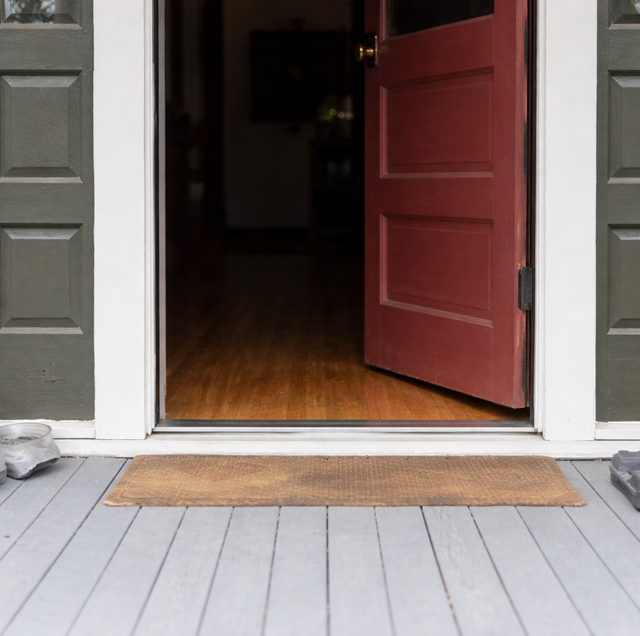
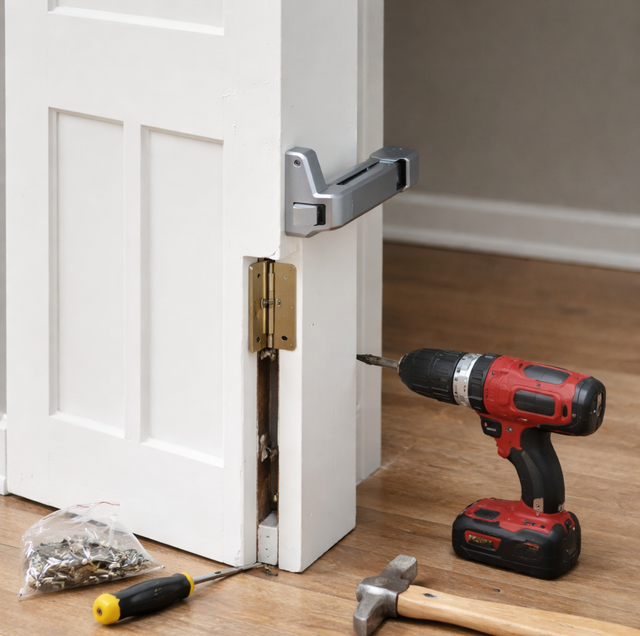
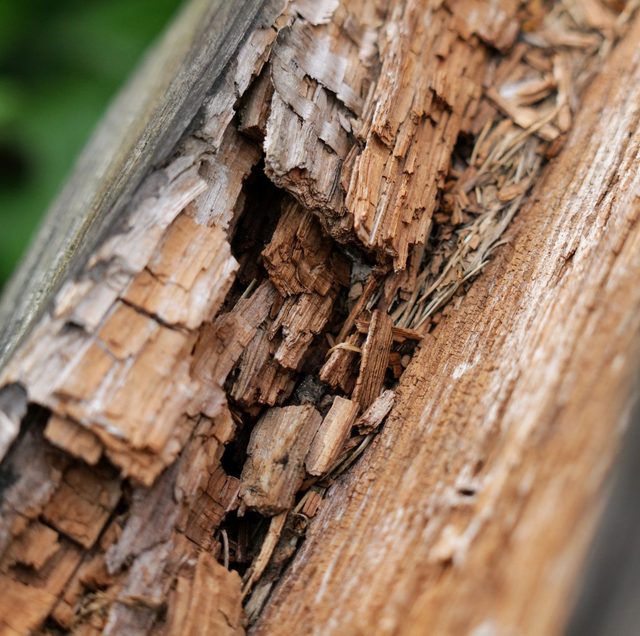
The foot of an exterior door frame takes more weather than it looks like it should. Rain blows in under the storm door, snow melts off boots on the sill, and water splashes up from the step. Once the paint at the bottom of the jamb cracks, the wood behind it starts to soften, and over time the door sags, rubs, or stops latching as it used to.
On a one-side repair, we cut out the rotted section, splice in new treated stock, and re-hang the existing door. Because that splice becomes part of the jamb, the new wood is primed and left ready for paint. When both sides have rotted, a full new frame is the sounder repair, and Jimmy Grubb tells you which one your doorway needs once he has probed it.
A Front Door Frame in Good Keeping
Both legs tested
A repair on one side starts with knowing the other side is sound.
Only firm wood left to splice to
The rotted section comes out until the probe meets firm wood, so the splice joins wood that can hold a screw.
Hinge side and latch side read
A sagging door or a drifting strike shows which side has softened.
How Far the Rot Has Reached in the Frame
Water reaches a door frame from below, so rot starts at the sill and climbs: up one jamb leg, up both, and sometimes into the door that hangs between them.
Rot at the foot of one jamb leg
The jamb legs are the two upright boards the door hangs in and latches against. Water gathers where each leg meets the sill, wicks up through the end grain, and climbs from there. When the rot is confined to the lower part of one leg and the rest of the frame is firm, that leg can be saved with a splice. The section from the sill up to sound wood is replaced, the joint is made tight, and the door keeps its old frame and its old fit. This is the one-side repair.
A factory-hung entry unit can be a different case. Its jamb legs can be finger-jointed, glued up from short lengths of wood, and the bottom few inches sit right in the corner where the sill meets the frame. Once water finds the glue lines, the wood breaks down from the inside, and the leg can be soft well above the point where the paint first cracked.
Both sides rotted: time for a full frame
When both jamb legs have gone soft, splicing each one leaves very little of the original frame holding the door. The whole jamb comes out, a new frame goes in plumb and square, and the door is hung in it. Jimmy checks the bottom of the opening as well, because water that rotted both legs may have reached the wood beneath them.
When the door is soft too
Doors and frames rot separately. A door with a firm bottom rail and flat lower corners can be returned to a repaired frame. A door that has gone soft or warped along the bottom is past re-hanging, and the answer is a new door.
An entry door that is beyond saving is replaced as part of a door installation.
door installation and repairSagging doors and drifting strikes
How the door hangs points to where the frame has softened. Rot on the hinge side lets the screws lose their grip, so the door drops toward the floor and rubs at the top corner. Rot on the latch side lets the strike drift, so the latch misses or the deadbolt only throws when you push on the door. Jimmy reads those signs, then probes each leg for the point where the wood turns firm.
The trim around the outside of the frame (brick mold) is checked at the same visit, along with the head jamb across the top. Together, those readings show how high a splice must run and how much of the frame the repair must cover.
Non-stock entries on Wilmington row homes
A Wilmington row home's front entry can be narrower or shorter than a stock door, and then a new pre-hung unit won't drop into the opening. Replacing the whole doorway would mean a custom door and frame. Saving the existing frame with a splice keeps the door you have fitting the opening it was made for. Where that frame is solid wood, the splice is a clean repair, because solid stock takes a tight joint and fresh fasteners well. The probe matters more on a doorway like this, since every inch of sound jamb kept is an inch of the original fit kept with it.
Rotted sills, trim, and porch columns elsewhere on the house come under exterior wood rot repair.
exterior wood rot repairThe Jamb Repair, Visit by Visit
The door and the soft side
Get in touch with Jimmy by phone or text, and say which door it is, which side looks soft, and what the door is doing: sticking, sagging, not latching, or letting daylight in at the bottom.
The frame gets tested
At the visit, Jimmy watches the door swing and latch, then probes each leg and the bottom of the opening.
Repair day
The door comes off its hinges while the frame is open. Rotted wood is cut back to sound material, and the treated splice or new frame is installed.
Re-hang
The door goes back up and is adjusted until it swings freely, the latch catches cleanly, and the deadbolt throws without a push.
One-Side Splice or Full Frame: What Each Covers
| Part of the doorway | One-side repair | Full frame |
|---|---|---|
| Rotted jamb leg | Cut back and spliced with treated stock | Both legs replaced |
| Head jamb across the top | Checked | Replaced with the frame |
| Door stop | Refitted where needed | Fitted to the new frame where needed |
| Hinges and strike | Reset where needed | Reset where needed |
| Your existing door | Re-hung and adjusted | Hung in the new frame if it's sound |
| Painting the door or the frame | Not included | Splice left primed for your painter |
| A new door | Not included | Priced as a door installation |
The Price of Saving a Door Frame
- Repair
Rotted door jamb repair, one side
Price$450 to $550 typical - Repair
Full new frame
PricePriced at the estimate
A splice replaces the bottom of one leg and keeps the rest of the frame, so its price follows how far the rot has climbed; a full frame replaces the whole jamb, so the size of the opening and whether it is a stock size go into the price. Jimmy looks it over in person, and the written price follows.
A single small task, like a smoke detector or a lock, is a $100 service call plus $25 for every 15 minutes of work.
Jimmy prices every project in person at your home, never from a photo or a text. Project estimates are free and are usually scheduled in the evening.
Our warranty
Our work carries a one-year workmanship warranty, dated from the day the job is finished.
Wilmington Feedback, Quote to Finish
Professional from the quote to the finish
Debbie Schmucker, Google review, November 2025
“From the quote to the finished product, they were both very professional and helpful.”
More reviews from our customers, straight from Google.
Is the Frame Worth Saving? Your Questions
It can be, but it isn't the only cause. Hinge screws that have stripped their holes, a house that has settled or a door that swells in humid weather can all make a door rub or miss the strike. That is why the frame is checked before anything is cut.
Keeping water from sitting at the foot of the frame. Keep the caulk line closed where the outside trim meets the wall, keep the paint unbroken on the lower jamb, and make sure the sill pitches away from the house. Don't let snow pile up against the door through the winter.
The bottom of a door frame is the wettest few inches of the opening. Treated stock resists rot better than plain untreated pine, so the part of the frame that sits closest to standing water gets the tougher wood.
On a painted frame, the joint is filled and primed, ready for your painter. Once it is painted with the rest of the jamb, it is hard to spot from the walk. A frame with a stained or clear finish makes it harder to hide a splice, and Jimmy will talk through whether a new full leg would look better.
A splice job is easier when it is still a splice job. Each wet season lets the rot climb higher up the leg, so the splice gets longer and the repair gets bigger the longer it waits.
A Door That Sticks Is Worth a Visit
Needing a shoulder to close the door, or leaning on it to line up the deadbolt, means the frame is worth a look. Call or text Jimmy to let him know which door it is, and he will set a time to come out.
Precision Home Worx · Based in Claymont, DE · (302) 321-3577 (call or text) · Monday through Sunday, 7 a.m. to 8 p.m.
Delaware business license #223872998 · General liability insurance and RLI surety bond #LMS1971327
Serving Wilmington, Claymont, North Wilmington, Hockessin, Pike Creek, Greenville, Newark, New Castle, Bear and the rest of northern Delaware.
Related services
The main service
Door installation and repairRelated work
Where we work
Rot elsewhere on the house
Where we repair rotted door jambs
We fix door frames in Wilmington, Claymont, Elsmere, Newport, Stanton, Pike Creek, Bear and New Castle.

