

Soffit and Fascia Repair in Wilmington, DE
- Fascia Boards Replaced
- Soffit Rebuilt
- Trim Returns Made Tight Again
The eaves are looked at from the ground and the ladder before pricing.
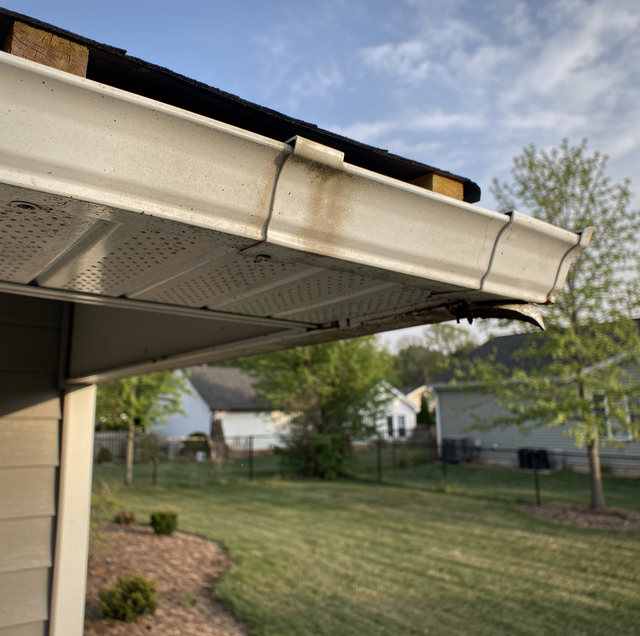
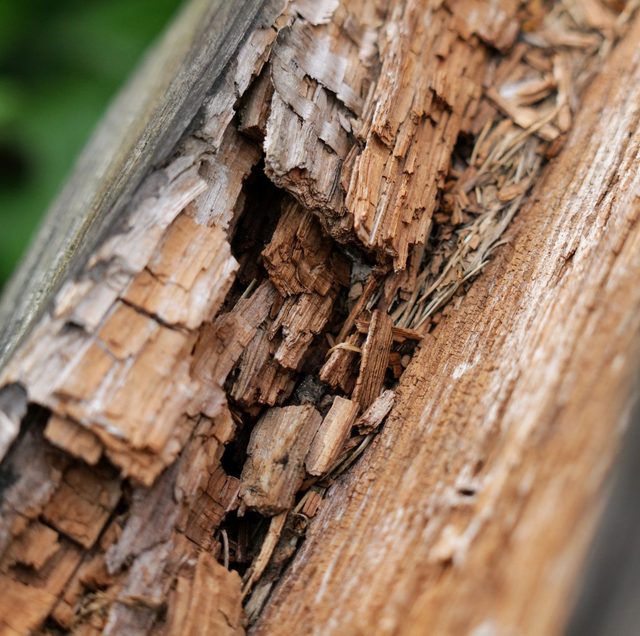
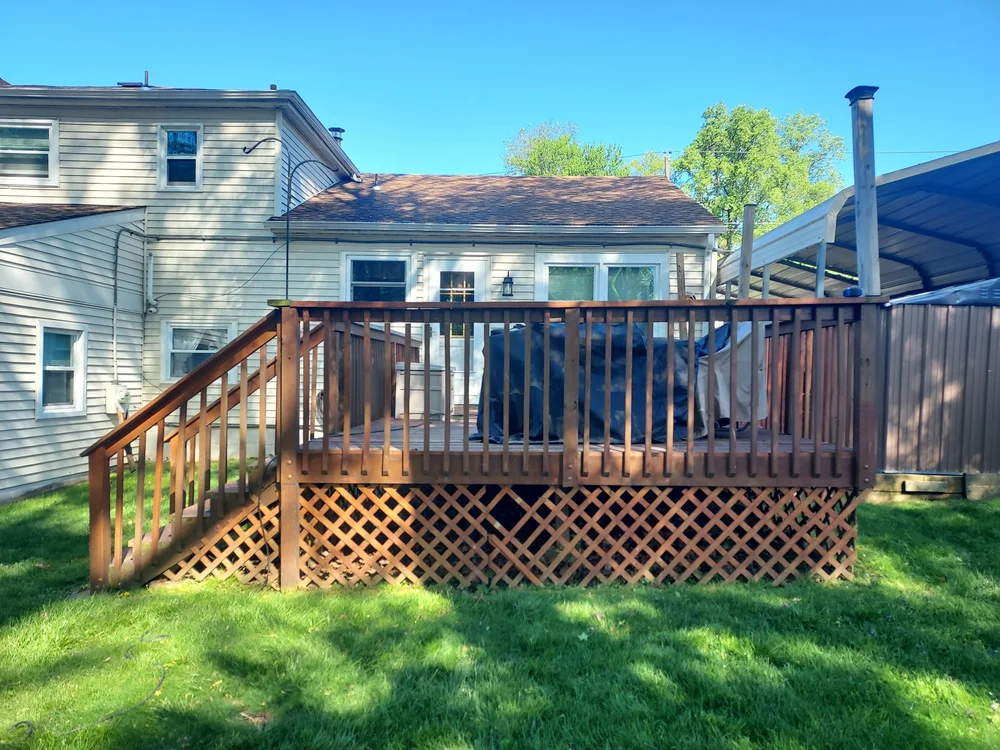
The eaves of a house do quiet work. The fascia board closes off the ends of the rafters, the soffit covers the underside of the overhang, and both sit right where roof runoff, ice, and wind-driven rain arrive. When either one softens, the early signs on the lawn are easy to miss: paint flaking along the edge, a dark ring on the soffit, a board that has begun to bow.
Precision Home Worx handles the roof edge below the shingles: rotted soffit and fascia, and the trim returns at the corners, where several joints meet, and water finds its way in. Jimmy Grubb tests the boards, determines how far the damage extends, and rebuilds the eaves with new material for homes from Wilmington out to Hockessin and Bear.
On the Ladder at Your Roof Edge
Framing checked behind the boards
The wood each new board fastens to is checked first.
Sealed on both sides
Replacement soffit and fascia stock is primed on both faces before it is fastened.
Corner returns rebuilt too
The trim returns where the eave turns the corner are part of the repair.
Fascia, Soffit and the Trim Returns at the Corners
Roof runoff leaves the roof over the fascia, drips onto the soffit when the fascia lets it through, and finds the joints at the corners wherever they open up.
Fascia: the face board along the roof edge
Fascia is the vertical board fastened across the rafter ends. It is the last thing roof runoff touches, and when the metal edge at the bottom of the roof is missing, short or bent, water curls back under the shingles and soaks the top of the board. Fascia rot tends to begin along that top edge and at the joints between lengths. A soft length is cut back to the rafters on either side, and a new board is fitted and fastened to sound framing.
- Signs from the ground: paint lifting along the top edge, a joint opening between two boards, nail heads rusting through.
- Rot along the top edge sits under the roof line, so it can run farther than the face shows.
Soffit: the underside of the overhang
The soffit closes the bottom of the overhang and lets the attic breathe through its vents. It rots from above. Water that slips past a soft fascia, or meltwater backing up at the eave in winter, drips onto the top face of the soffit where nobody can see it. From below, what shows is a stain, a sag between supports, or paint peeling in a line. Rotted soffit boards or panels come down, the nailers they hang from are checked and new material goes up with the vents left open to the attic.
Trim returns: where the eave turns the corner
A trim return is the short section where the eave trim wraps the corner at a gable end, sometimes built as a small boxed cap. With several joints packed into a foot or two, it offers water more ways in than a straight run does. Returns are rebuilt piece by piece to match the original shape where possible, so the corner keeps its look from the street.
How far the rot runs along the eave
Jimmy probes the wood along the fascia and up into the soffit to find where sound wood starts, and the estimate prices what that probe finds.
Once a board is off, the rafter ends behind it are in plain view. If rot has reached them, Jimmy shows you before anything new goes up.
Deep wood cornices on Wilmington houses
A deep wood cornice on a Wilmington house is built up in layers: a fascia, a frieze board below it, crown and bed moldings tucked into the corner, and a soffit closing the underside. Rot in a cornice like that hides under the crown, where water that gets past a cracked joint sits against the boards behind it and only shows once a piece is pulled. Each layer comes off in order, so the sound pieces can go back, the soft boards behind are replaced, and the moldings are matched where possible so the cornice keeps its line from the street. Plain eaves hide rot in other places: at the butt joints of a long run, and behind aluminum or vinyl wrap, where the board can be soft right through before the cover shows it.
soffit and fascia repair in North Wilmington soffit and fascia repair in BearRot lower on the house, in window sills, porch columns, and siding, is handled as exterior wood rot repair.
exterior wood rot repairWhat Happens When We Work on Your Eaves
Tell us what caught your eye
Call or text with what you noticed: a stained soffit, a fascia board bowing out, a gap at a corner where something seems to be getting in.
Jimmy looks at the eaves
He looks from the ground and from a ladder, tests the boards along the run, and checks each corner and the soffit vents.
On the calendar
Accept the price, and you get a start date.
Back to sound wood
Rotted boards come down, and the framing behind them is uncovered and checked before anything new goes up.
New boards and returns
Replacement fascia and soffit are cut to fit and fastened to solid wood, returns are rebuilt at each corner, and joints are sealed.
A look from the lawn
Before we pack up, the repaired sections are pointed out from the ground.
What the Eave Repair Covers
| Piece | Our part | Good to know |
|---|---|---|
| Fascia boards | Rotted lengths cut out and replaced | Fastened to solid rafter ends |
| Soffit boards or panels | Replaced where soft or stained through | Vents left open to the attic |
| Trim returns at the gables | Rebuilt to match the original shape where it can be | Several joints in a small space |
| Soffit nailers | Checked; soft pieces replaced | They hold the soffit up from behind |
| Rafter ends | Checked once the fascia is off | Jimmy shows you any rot he finds |
| Primer on new boards | Both faces, before fastening | Finish coat left to your painter |
| Painting the eaves, trim or siding | Not included | We don't paint trim or siding |
| Shingles and roof covering | Not included | Deck, porch and portico roofs are the only roofs we build |
We don't do shingle roof work. We handle the roof edge below it: the fascia, soffit, and trim returns.
We don't install, repair or replace gutters. If a gutter is fastened to a rotted fascia board, it has to come down before the board can be replaced, so plan for that part of the job separately.
Eave Repairs Are Priced at the House
- Job
Soffit, fascia and trim return repair
How it's pricedPriced at the estimate - Job
What the price depends on
How it's pricedHow much of the eave is soft, and where
What adds the most work on an eave is rot that has moved past the fascia into the soffit behind it, because then two layers come down and go back up instead of one. One soft length of fascia on a one-story eave is the light end. A whole side of the house, with a corner return built up from several small pieces, takes longer, and an eave that sits higher off the ground needs more setup. Jimmy gives you the price once he has seen how far the softwood goes.
Jimmy prices every project in person at your home, never from a photo or a text. Project estimates are free and are usually scheduled in the evening.
Our warranty
Our work carries a one-year workmanship warranty, dated from the day the job is finished.
Our Google Reviews, Wilmington and Beyond
More reviews from our customers, straight from Google.
Before You Call About a Sagging Soffit
An old, dry stain stays the same size, and the wood under it is firm. Active rot spreads: the paint around it bubbles or peels and the board starts to droop between supports. A soffit stain that develops after a storm indicates water is still coming in from above.
Soffit vents pull outside air into the attic, and that air leaves through vents higher on the roof. If they are blocked by paint, insulation, or a replacement board without a vent, the attic traps heat and moisture. That can rot the roof sheathing and contribute to ice buildup at the eaves.
That depends on the shingles. Rotted fascia and soffit are carpentry, and that is the part we do. If Jimmy sees lifted or missing shingles along the edge while he is up there, he'll point them out so you can have the roof inspected.
Soffit hangs from nailers along the house wall and the back of the fascia. If those nailers have softened or the nails have rusted, the soffit drops even though the face board looks fine from below. A sag can also mean water is coming in higher up and dripping onto the soffit.
Yes. A soft return or an open seam where the soffit meets the fascia is an easy entry point for birds, squirrels, and wasps. Rebuilding the corner with new material closes the opening, but anything already living in the attic needs to be removed before it is sealed.
Eaves Showing Their Age?
A soft fascia or an opening corner is better addressed before next winter's ice works its way in. What you can see from the ground is enough for the first conversation; the boards are probed and priced at the estimate.
Precision Home Worx · Based in Claymont, DE · (302) 321-3577 (call or text) · Monday through Sunday, 7 a.m. to 8 p.m.
Delaware business license #223872998 · General liability insurance and RLI surety bond #LMS1971327
Serving Wilmington, Claymont, North Wilmington, Hockessin, Pike Creek, Greenville, Newark, New Castle, Bear and the rest of northern Delaware.
Related services
The main service
Exterior wood rot repairPart of this service
Where we work
More outdoor carpentry
Where we repair soffit and fascia
Roof-edge carpentry on houses in Wilmington, North Wilmington, Pike Creek, Hockessin, Newark, Bear, Claymont and Yorklyn.

