

Soffit and Fascia Repair in North Wilmington, DE
- Corners
- Gable Returns
- Short Eave Runs
- Roof-to-Wall Junctions
Mention how many rooflines the house has; it helps plan the visit.
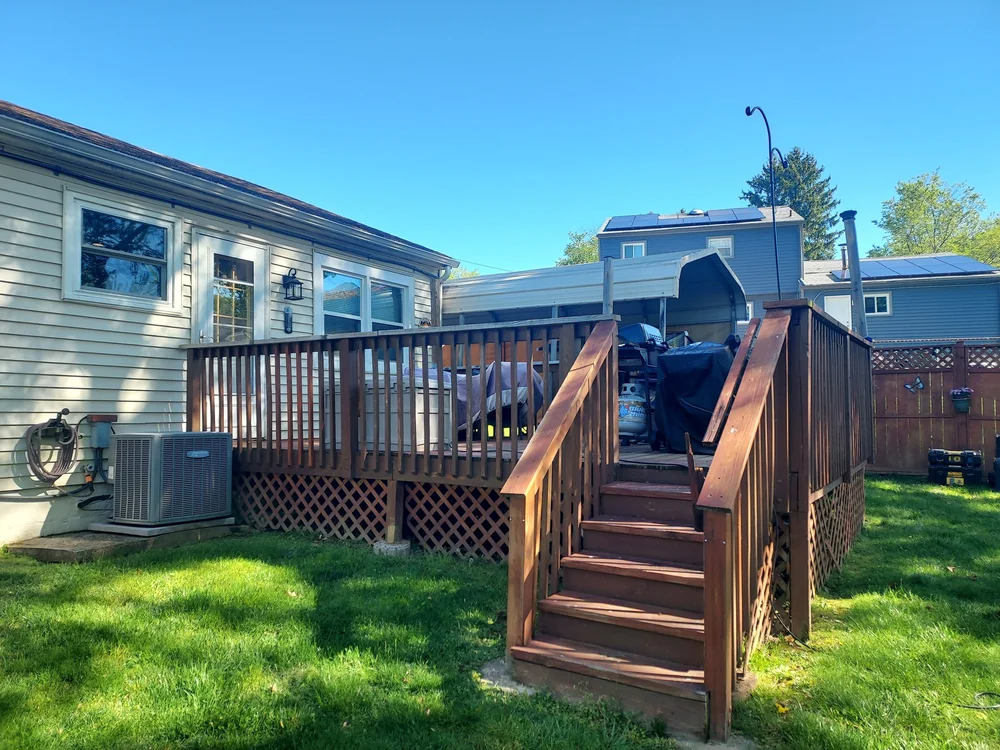
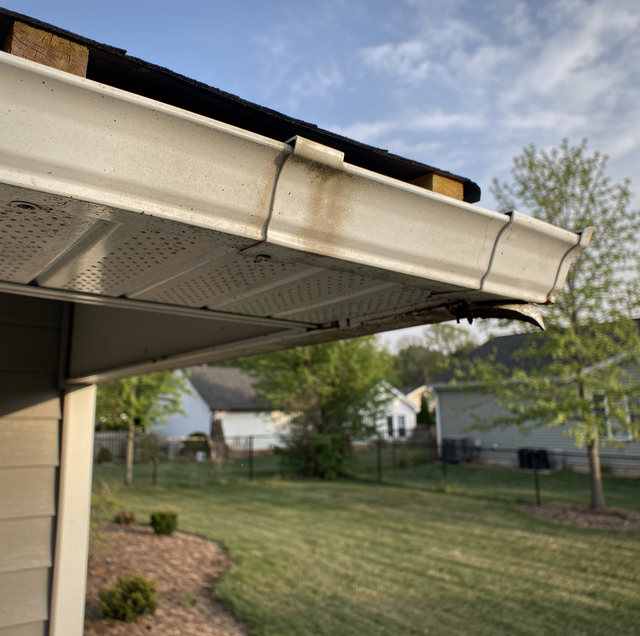
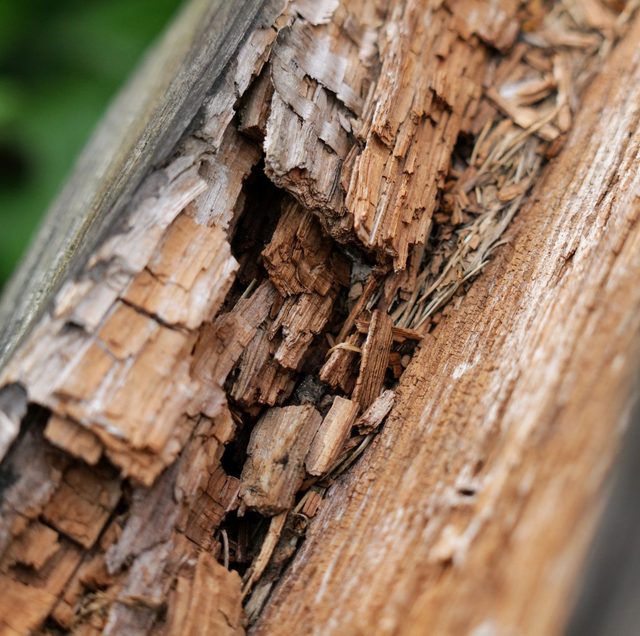
Count the corners on a roofline, and you have a fair map of where its eave will rot. Every place two fascia boards meet, every return at a gable, and every spot where a lower roof edge runs into a higher wall is a joint, and joints are where water gets into the wood.
The hardest of those joints to see is the dead end, where a lower eave stops against a taller wall. On split-levels, colonials and later houses across North Wilmington, that junction gets a probe of its own before any wood comes down.
Credentials to Check Before the Ladder Goes Up
Every eave line probed
Upper, lower, and any roof over an added room are each tested on their own.
Sound runs left in place
Lengths that probe firm between the corners stay where they are.
Returns matched to their gables
Each return is remade to suit the gable it sits on.
Junctions, Returns and Short Runs
Why the joints fail before the long boards
A long, straight length of fascia sheds water down its face and dries quickly. A joint behaves differently. Where two boards meet at a corner, their end grain sits side by side, and end grain drinks water in faster than a board's face. Once the seal over a miter cracks, each rain reaches those ends before anything else. The soffit under a failing corner takes the drip next, which is why a soffit stain from a leaking corner shows up just inside it.
The fascia at a dead end ends in a short cut piece, hard to see from the yard, and it sits right where water running down the upper wall meets the lower roof edge. Gable returns on the same house add their own cluster of seams at each end of a roof.
Split-level rooflines in North Wilmington
On a North Wilmington split-level, the staggered floors give the house several eave lines at different heights: one over the bedroom level, a lower one over the living level and, sometimes, a separate roof over a room added later. A two-story box has four corners at one height. A split-level can have several more, plus the junctions where a lower roof meets a higher wall.
The cold adds to it. Ebright Azimuth, Delaware's highest natural point at 448 feet, sits on Brandywine Hundred's northern edge, and on that higher ground January averages fall below freezing. Meltwater that refreezes at a cold eave can back up behind the fascia, and a joint that already leaks takes on more water each thaw.
A scope built junction by junction
On a roofline with many junctions, a general look tells you little. Jimmy probes each corner, return and short run, from the front corner of the upper level to the end where the lower roof meets the bedroom wall. He can walk you through which spots probed soft and which are sound.
Window trim, door casings, and siding lower on the wall are covered under a separate service.
exterior wood rot repairWhat North Wilmington Owners Ask About Eave Repair
Yes. Each eave line is its own run of boards, so a soft corner on the living level can be repaired on its own while the sound upper eave waits. The timing of each line is yours to decide.
Flashing where a lower roof meets a higher wall is part of the roofing, and roofing is outside our scope. The wood around it is ours. If the flashing looks bent, short, or loose while the fascia end is open, Jimmy will mention it, since a repair to the wood holds up best when the water above it is under control.
Yes. A garage roof has its own fascia, its own corners and, where it meets the house, its own junction with a taller wall. It is probed along with the rest.
They do. A house with roofs at several heights can have more than one attic space, one over each roof, and the vents in each overhang feed the space above it. When soffit is replaced on any line, its vents stay open so that the attic keeps its air.
Water is reaching the inner edge of the overhang. That can be rain running down a higher wall and under the soffit at a junction, or a leak farther up the roof edge draining toward the house. The nailer that carries the soffit along that wall is the wood to probe.
From the First Call to the Last Seam
Describe the house and the trouble spot
Call or text Jimmy and say what kind of house it is and which level the problem sits on. That tells him how many eave lines and ladder heights to plan for.
Each roofline walked and probed
During the estimate, every eave line is inspected from the ground, then the corners, returns, and junctions are tested from the ladder.
Price in writing
Jimmy looks it over in person, and the written price follows. The job goes on the calendar once you approve it.
Rebuilt in order
Each listed spot is opened, cut back to firm wood, and closed with new stock primed on both faces. Returns are rebuilt from their parts.
Early signs noted
Any eave line that probed sound but showed the first signs of trouble, like an opening seam, is pointed out so you know which corner to keep an eye on.
Corners, Returns and Dead Ends
| Spot on the house | The work | Why it matters |
|---|---|---|
| Outside corners | Mitered fascia rebuilt to firm wood | Two board ends meet at the miter |
| Gable returns | Rebuilt with the fascia they finish | A seam at each end of a roof |
| Fascia end at a higher wall | New end piece fitted where the lower eave stops | Takes water running down the upper wall |
| Short eave runs | Soft lengths replaced between corners | Water runs along them to the corners |
| Soffit under each repaired spot | Replaced where the drip has reached it | Vents kept open to the attic |
| New stock | Front and back sealed with primer ahead of fastening | Ready for your painter's finish coat |
Gutters sit outside our trade: we neither install nor replace them. One fastened to a board we are replacing has to come down beforehand, and that step is not in our price.
We don't paint walls, ceilings, trim or siding. The finish coat over the primer is for your painter.
Shingle work and re-roofing are not something we take on. We stop at the wood along the roof edge.
Where the Cost Builds on a Many-Line Roof
- On the scope
Soffit and fascia repair across one or more eave lines
PricePriced at the estimate, after every line is probed
Here the roofline sets the scope. Each eave line sits at its own height, and the upper one over the bedroom level needs a taller ladder setup than the eave over the living level, so the number of lines with soft wood and the heights they sit at shape the job as much as the count of soft corners does.
Jimmy prices every project in person at your home, never from a photo or a text. Project estimates are free and are usually scheduled in the evening.
Our warranty
Our work carries a one-year workmanship warranty, dated from the day the job is finished.
Choosing Someone for Soffit Repair? Start With Our Google Reviews
More reviews from our customers, straight from Google.
How Many Corners Does Your North Wilmington Roofline Have?
A leaking joint takes on a little more water every winter, and a roofline with several heights has plenty of joints. Call or text Jimmy and say which level of the house the stain or soft spot is on.
Precision Home Worx · Based in Claymont, DE · (302) 321-3577 (call or text) · Monday through Sunday, 7 a.m. to 8 p.m.
Delaware business license #223872998 · General liability insurance and RLI surety bond #LMS1971327
Serving Wilmington, Claymont, North Wilmington, Hockessin, Pike Creek, Greenville, Newark, New Castle, Bear and the rest of northern Delaware.

