

Storm Door Installation in Wilmington, DE
- Larson, Andersen and Pella
- Full-View, Sliding Sash or Retractable Screen
- Your Own Door Hung for $400
A new door is a project priced at your entry; a loose strip of trim on its own is a small job.
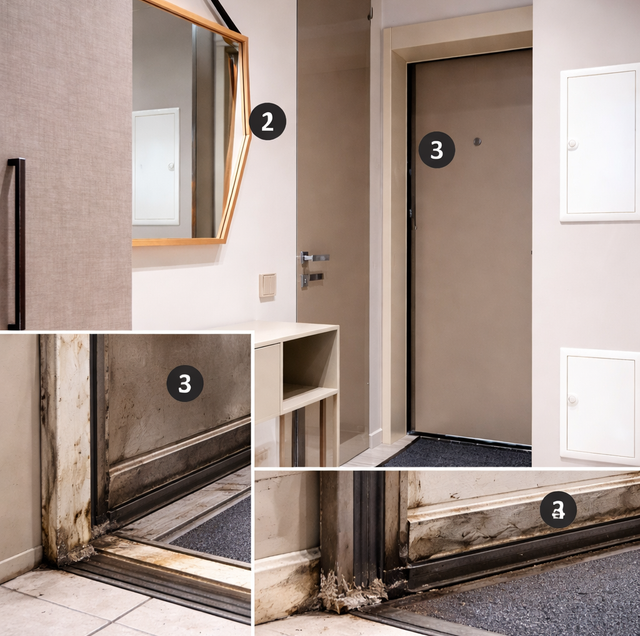
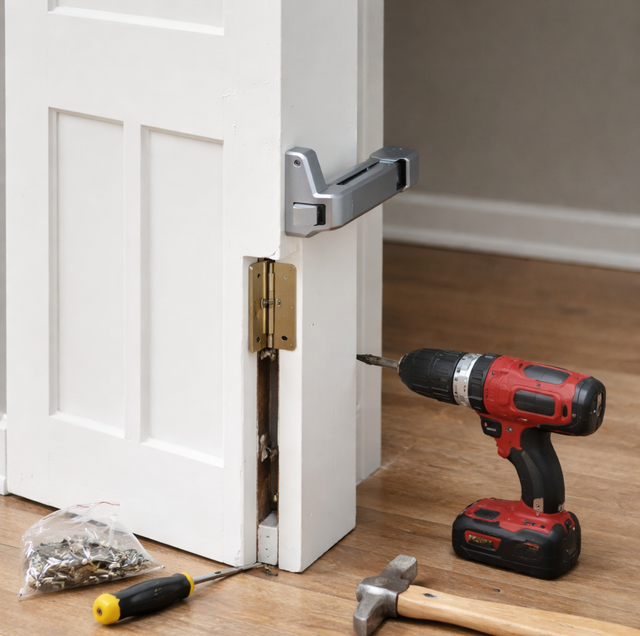
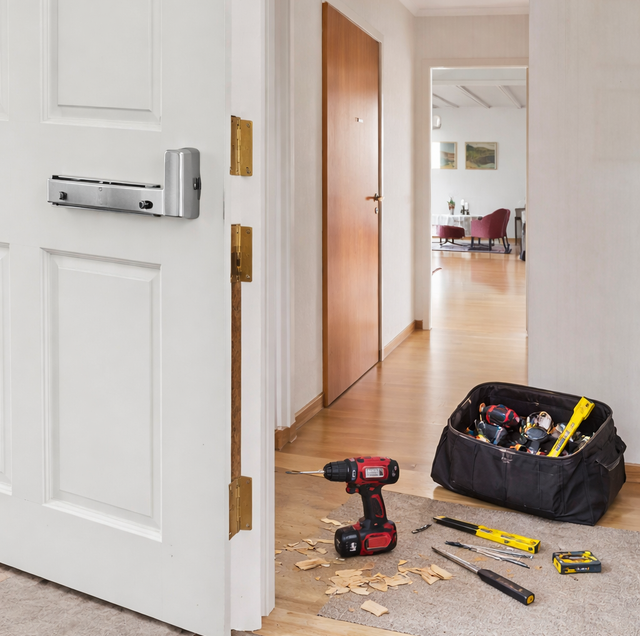
The storm door meets the weather before the entry door does: wind against the glass, rain blowing at the sill and sun on the frame, all while hanging on the trim around your front or back door. Hung square on sound trim with its closer set right, it pulls itself shut, latches quietly and gives the door behind it a layer of shelter.
We install new storm doors from Larson, Andersen and Pella, or hang one you have already bought. On installation day, the old storm door comes down, and the new one goes up on your trim.
A Claymont Company at Your Front Step
Sized at the doorway
The size comes from your own brick mold, not a guess at the store.
A closer set for the opening
Tuned to the door so it pulls shut without slamming into the frame.
Drip cap across the top
Rain at the head trim runs off, not behind the frame.
How a Storm Door Lets Air In
What sets one storm door apart from another is how it lets air through, and that shapes how you use the door from one season to the next.
Full-view doors with a swap-out panel
A full-view storm door is one tall pane of glass in a narrow frame. It shows off the entry door behind it and lets the full daylight into the hall. When the weather warms up, the glass panel comes out, and a screen panel goes in its place, so one of the two panels is always in storage somewhere in the house. It suits a homeowner who likes the look of the front door and doesn't mind changing panels in spring and fall.
Ventilating doors with a sliding glass sash
A ventilating door, sometimes called self-storing, has a glass sash in the upper half that slides down over the lower glass to open a top screen. Nothing comes out of the door, and nothing has to be stored. The trade is more frame across the glass, since the sashes need tracks to ride in. For a back door that gets opened for air on summer evenings, a sash you can drop with one hand is the practical choice.
Doors with a retractable screen
On a door with a retractable screen, the screen rolls up into a housing in the door and comes down when the glass is lowered. You get a clear view through glass in winter and a screen in summer without swapping panels or looking through a screen you don't need. The rolled screen lives inside the door, so it stays clean and out of the sun when it isn't in use.
The brick mold and the three measurements
A storm door doesn't hang on the house wall. Its frame screws to the brick mold, the outside trim that surrounds the entry door, so that trim sets the size and the fit. The width is measured between the inside edges of the brick mold at the top, middle, and bottom, and the height is measured from the sill to the underside of the head trim. Storm doors are sold in a handful of stock widths and heights; the three measurements pick one. The trim also has to sit flat in one plane: where a board is cupped or bowed, the hinge rail can't bear tight against it along its length.
Jimmy probes the brick mold and the foot of the door frame, because the hinge rail is screwed into that wood from top to bottom and the closer pulls against it every time the door shuts. Soft trim won't hold those screws for long. At the bottom, the new door carries an adjustable expander with a sweep, which is lowered onto the sill so it follows the sill's slope and closes the gap. If the probe finds rot in the trim or the jamb behind it, that wood has to be made sound first, since a new door can only hang on solid wood.
rotted door jamb repairNarrow Wilmington row-home entries and doorways that face the weather
The entry on a Wilmington row home can be narrower than the smallest stock storm door. A door that doesn't fit the opening needs a custom size or a modified frame. The style relies on a brick row-house facade, too: a full-glass aluminum door can look out of place there, and a door with a traditional profile may suit it better. The closers that come with a stock door are set up for a standard opening and can slam a narrow door, so the closer is adjusted during installation.
A 1990s colonial in Hockessin may have an entry framed around a stock pre-hung door with stock trim, and a stock storm door is made for that opening. What matters there is which way the entry faces. A south or west door takes afternoon sun on the glass, and some entry door makers warn that heat trapped between full glass and their door can damage its finish, so the glass choice is checked against the entry door. An entry open to the wind needs a closer and a wind chain that stop a gust from throwing the door past its hinges.
Hanging a Storm Door on Sound Trim
Call or text about the entry
Reach Jimmy by phone or text, or through the form, and say which entry it is, front or back, and whether you already have a door picked out or bought.
Measuring at the doorway
The trim is probed, the opening sized, and the glass, the screen, and the hinge side talked through with you. If you plan to buy the door yourself, you leave the visit with the size to look for.
The door is chosen
You pick the style and the frame color, and the door is ordered in the size the opening needs. A door you bring is checked against the measurements before installation day.
Hanging the door
The old storm door comes down. The frame goes up on the trim, drip cap first, then the hinge rail is screwed to the brick mold and the door is hung. The expander is lowered to the sill, and the closer is mounted.
Closer speed set
The closer's speed is set so the door pulls shut and latches without slamming, the wind chain or hold-open is checked, and the lock is tried with its key.
Where the Storm Door Job Starts and Stops
| Item | When we supply the door | When you supply the door |
|---|---|---|
| Measuring the opening | At the estimate | At the estimate, ideally before you buy |
| The storm door | Ordered to the opening | Checked against the opening |
| Old storm door | Taken down | Taken down |
| Hinge rail and drip cap | Fastened to the brick mold | Fastened to the brick mold |
| Bottom expander and sweep | Set to the sill | Set to the sill |
| Closer and wind chain | Mounted and adjusted | Mounted and adjusted |
| Handle set and lock | Installed | Installed |
| Rotted brick mold or jamb | Priced at the estimate | Priced at the estimate |
| Painting the trim | Not included | The same either way |
We replace storm doors. We don't repair closers, hinges, or glass on an old one.
Already bought the fixture or the material? We can usually install it, as long as it suits the job. On customer-supplied materials, our warranty covers the labor only.
Two Storm Door Prices, Set by Who Buys the Door
- Storm door work
A new stock-size storm door, supplied and installed by us
PriceFrom $750 - Storm door work
A storm door you bought, installed by us
Price$400 - Storm door work
Rotted brick mold or jamb behind it
PricePriced at the estimate
A storm door we supply is listed from $750; hanging one you bought is $400. The line and the screen type you pick can move the first figure, and a row-home opening too narrow for a stock door needs a custom size. Jimmy looks it over in person, and the written price follows. If the brick mold or the jamb under it has gone soft, that repair comes before the storm door and is priced once it can be seen.
Some calls are smaller than a new door. Re-fastening one loose strip of trim at the storm door's jamb, with nothing else to do, is billed as a small job: a $100 service call plus $25 for every 15 minutes of work.
Jimmy prices every project in person at your home, never from a photo or a text. Project estimates are free and are usually scheduled in the evening.
Our warranty
Our work carries a one-year workmanship warranty, dated from the day the job is finished.
What a Wilmington-Area Customer Said
An awesome experience
Jill Devary, Google review, May 2026
“Awesome experience.”
More reviews from our customers, straight from Google.
Storm Door Choices Worth Talking Through
Hinging it on the same side as the entry door lets both doors open the same way, so you walk straight through without reaching around one to open the other. The exceptions come from the entry: a railing, a wall, or a light fixture on that side can block the swing, and on a narrow stoop the door shouldn't swing out over the top step.
No. A storm door hangs just in front of the entry door, so an outward-opening entry door would hit it. Storm doors are designed for entry doors that swing inward.
It puts a second door with its own weatherstrip in front of the first, so wind no longer hits the entry door's seals head-on. It can't fix a gap in the entry door itself. Worn weatherstrip, or a door that doesn't close tight against its stop, still leaks into the house behind the storm door.
Two things beyond the size. Storm doors are sold left-hand or right-hand, named for the hinge side as you stand outside, so note which side the entry door hinges on before you pick one up. Then match the frame color and the handle finish to the entry door's hardware and trim, because the frame color is part of the door and can't be changed once it's hung.
A storm door handle set can include a keyed deadbolt, which keeps the outer door shut when you're away. It doesn't replace the deadbolt on the entry door, which is still the lock that secures the house.
There's no set interval. A pneumatic closer runs more slowly in cold weather and faster in heat, so a door that shut gently in October can drift by January; the screw at the end of the closer changes its speed. A sweep wears where it drags on the sill, and the expander it rides on slides down on its screws to close the gap again. Both are homeowner adjustments that need only a screwdriver.
Which Way Does Your Front Door Face?
Afternoon sun and wind both change the glass and closer you'll want; say which when you book. Mention the hinge side of the entry door too, and whether a railing or a light sits beside it.
Precision Home Worx · Based in Claymont, DE · (302) 321-3577 (call or text) · Monday through Sunday, 7 a.m. to 8 p.m.
Delaware business license #223872998 · General liability insurance and RLI surety bond #LMS1971327
Serving Wilmington, Claymont, North Wilmington, Hockessin, Pike Creek, Greenville, Newark, New Castle, Bear and the rest of northern Delaware.
Related services
The main service
Door installation and repairRelated work
Where we work
Where we hang storm doors
Storm door installs in Wilmington, Claymont, Elsmere, Newport, Pike Creek, Hockessin, Greenville and New Castle.

