

Stair Railing, Banister and Newel Post Repair in Wilmington, DE
- Rocking Newel Posts Re-Anchored
- Loose and Broken Balusters
- Handrail Joints Pulled Tight
Rail repairs are priced after the stair has been pushed and pulled in person.
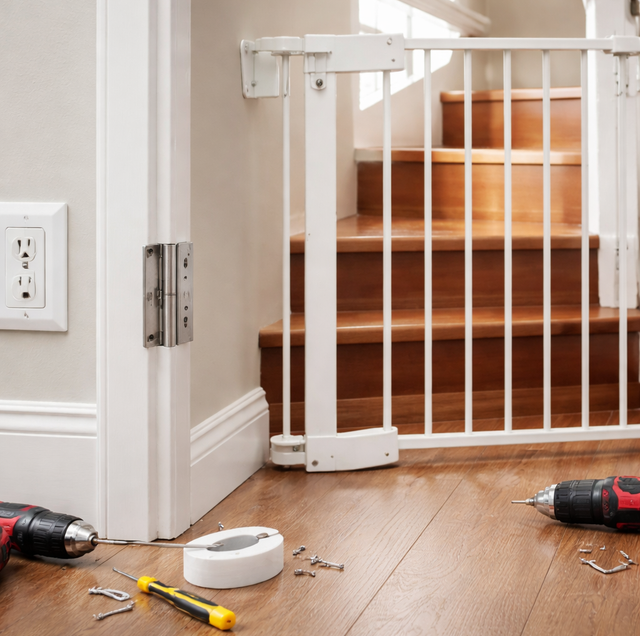

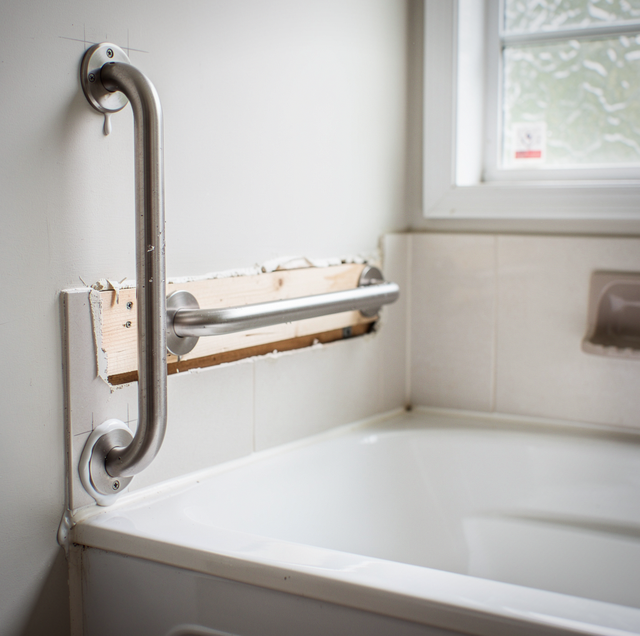
A stair rail takes a hand's full weight at the moment someone is least steady: the first step down in the dark, or the last step up with a laundry basket on one hip. When the newel at the bottom rocks, a baluster spins in its hole, or the rail gives at a joint, a fastening has let go somewhere below the paint.
We repair the railing you already have: the newel post, the handrail, the balusters between them, and the joints that tie them together. Jimmy Grubb finds the connection that has loosened, secures it to sound wood, and replaces the parts that are cracked or past holding.
Something Solid to Lean On
Original parts kept where they hold
A sound old baluster or newel is re-secured and left in place, so the stair keeps the parts it was built with.
Wall-rail brackets re-fastened
A bracket that has pulled loose is re-fastened into the framing behind it.
Rail profiles matched to the old run
A replaced length of handrail is chosen to meet the rest of the run in the same shape.
Newel, Rail and Balusters Hold Each Other Up
A stair railing functions as a single connected frame. The newel post anchors the bottom, the handrail runs from it to a post or the wall at the top, and the balusters fill the space between rail and treads.
A newel post that rocks
The newel takes the hardest use in the railing: it anchors the bottom end of the rail and takes the pull of every hand that swings around it. How a newel is fastened varies with the stair. Some posts run down past the floor and are fastened to framing below; others sit on the bottom step and are bolted to the stair's stringer or the floor structure. When the post rocks, that anchor has loosened, or the wood around it has split. The repair goes back to the anchor: the post is re-fastened into sound framing, and where the base has split, it is repaired, or the post is replaced.
A handrail that flexes or has opened at a joint
A handrail is built from lengths joined end to end and joined to the posts, with glue and fasteners and sometimes a rail bolt hidden inside the rail, its access hole plugged with a wood button. Years of pulling can work those joints open, leaving a gap that grows or a rail that flexes under a hand. An opened joint is drawn back together and re-fastened. A length of rail that has cracked along its grain is replaced with one of the same profile, so a hand sliding down it does not catch at the seam. A rail mounted on the wall has another weak point: its brackets, which only hold when their screws engage with the framing.
Balusters that spin, rattle, or have snapped
Balusters, also called spindles, are set into the treads at the bottom and into the underside of the handrail at the top. A baluster that turns in your fingers has lost its glue or fastener at one end. A snapped baluster is a sign of a knock: a dresser carried down on moving day, a child swinging on the rail, a vacuum hitting the base. Loose ones are reglued and pinned where needed, and a broken one is replaced with a new one of the same pattern when one is available. A whole run of loose balusters points back up to the rail, because a rail that has shifted pulls their tops loose with it.
Loose railing parts, traced to the fastening that failed
A wobble shows at the top of the rail, but its cause sits lower. At the estimate, the rail is pushed and pulled along its length to find where the movement starts: the base of the newel, a joint in the rail, or a run of balusters. The spot that moves the most can simply be the far end of a long lever, and tightening it without reaching the anchor that let go is a fix that comes loose again. Where reaching that anchor means opening something up, such as a trim piece at the base of the newel or a short section of wall at the top of the run, the reason is explained to you and agreed before any work starts.
Short flights in split-levels around Wilmington
Split-levels across Brandywine Hundred climb between floors in short flights; some open on one side with a newel at the foot, others run between walls with only a wall rail. A short flight is used many times a day, and each rail is short, so a loose newel or a bracket screwed into drywall alone is felt on the first step.
Where the rail turns at a landing, the joint into the landing post carries the pull from both flights, and on a wall-rail flight the brackets at each end do the same job. Those spots get pushed and pulled first.
Working Back to the Joint That Let Go
The rail and the stair
Through the form or by text, say whether it is the post at the bottom, the rail itself, or the balusters that move.
The stair looked over
The base of the newel and the joints in the rail are inspected, and the loose, cracked, or missing balusters are noted. The price is worked out with you from there.
Replacement parts matched
Where a baluster, a length of rail or a newel has to be replaced, the new part is chosen to match the old one's profile and size, and the match is agreed with you before it is ordered.
The repair day
The floor at the foot of the stairs is covered. Loose joints are opened where needed, cleaned, and re-glued or re-fastened; the newel is secured to the framing, and replacement parts are installed.
The rail under load
When the work is done, the rail is leaned on along its full length, and the newel is pushed from every side at the bottom step, the spot where hands swing around it.
Every Railing Part in the Repair
| Railing part | What we do | Notes |
|---|---|---|
| Newel post | Re-secured to framing, or replaced | A split base is repaired where it can be |
| Handrail joints | Drawn tight and re-fastened | Rail bolts replaced where needed |
| Cracked length of handrail | Replaced | Matched to the existing profile |
| Loose balusters | Re-glued and pinned where needed | At the tread and under the rail |
| Broken or missing balusters | Replaced | Chosen to suit the rest of the run |
| Wall rail brackets | Re-fastened into framing | Small holes filled where a bracket moves |
| Old surface fixes | Removed where they hide the real problem | Face screws and nails pulled where needed |
| Painting or staining new parts | Not included | Left ready for your painter |
We don't paint or stain railings, walls, or trim. New railing parts are left ready for finish.
Already bought the fixture or the material? We can usually install it, as long as it suits the job. On customer-supplied materials, our warranty covers the labor only.
The Loose Joint and the Railing Repair Price
- Work
Stair railing, banister, or newel post repair
Price$800 to $2,500
The cost turns on whether a loose part can be re-secured or has to be made new. Re-anchoring a newel and re-gluing a handful of balusters is labor on parts that stay. Replacing a cracked length of rail, a split newel, or a run of broken balusters adds the new parts and the time spent finding the right pattern, and a turned profile takes longer to source than a stock builder baluster. Anything found once a joint or newel base is opened is shown to you and priced before the work proceeds.
Jimmy prices every project in person at your home, never from a photo or a text. Project estimates are free and are usually scheduled in the evening.
Our warranty
Our work carries a one-year workmanship warranty, dated from the day the job is finished.
Many Jobs in One Wilmington-Area Home
Many fixes, each handled with precision and care
Nathan Kim, Google review, January 2025
“He has fixed so many issues with our home and handled every job with precision and care.”
More reviews from our customers, straight from Google.
Railing Problems Homeowners Bring Up
The bottom step is not what holds a newel steady, so a screw driven through the post into the step will only pull it snug for a while. It also leaves a hole in the face of the post to fill, and on a stained newel that patch shows.
Yes. A rail that gives a little has a joint or an anchor that has started to loosen, and the movement grinds the wood around the fastener each time someone pulls on it. Fix it before it is needed to catch a stumble.
Use it with care. Keep a hand on the wall side where you can, ask children not to swing on the newel, and block any gap where a baluster is missing, since a small child can slip through it.
That is a change to the stair rather than a repair, so raise it at the estimate, and Jimmy will tell you whether it is work we take on.
That is something Jimmy looks at during the estimate visit, with the stair and the walls in front of him. A stair that already has one rail is a different case: a second rail on the open wall can be looked at as part of our grab-bar work. Brackets go into the studs; the rail follows the slope at a steady height, and its ends turn back toward the wall so that a sleeve or a bag strap can't catch.
A Rail for the Other Hand, Too?
Someone in the house steadier on one side than the other? Mention it when you book, and Jimmy can look at the wall for a second rail on the same visit as the repair.
Precision Home Worx · Based in Claymont, DE · (302) 321-3577 (call or text) · Monday through Sunday, 7 a.m. to 8 p.m.
Delaware business license #223872998 · General liability insurance and RLI surety bond #LMS1971327
Serving Wilmington, Claymont, North Wilmington, Hockessin, Pike Creek, Greenville, Newark, New Castle, Bear and the rest of northern Delaware.
Related services
The main service
Custom carpentry and built-insWhere we work
Safety around the house
Where we repair stair railings
Railing and newel post repairs in Wilmington, Claymont, Talleyville, Arden, Greenville, Hockessin, Pike Creek and Elsmere.

