

Basement & Porch Floor Painting in Wilmington, DE
- Concrete Basement Floors
- Wooden and Concrete Porches
- Prep Before Paint
Bare concrete or old paint; the floor is seen before it is priced.
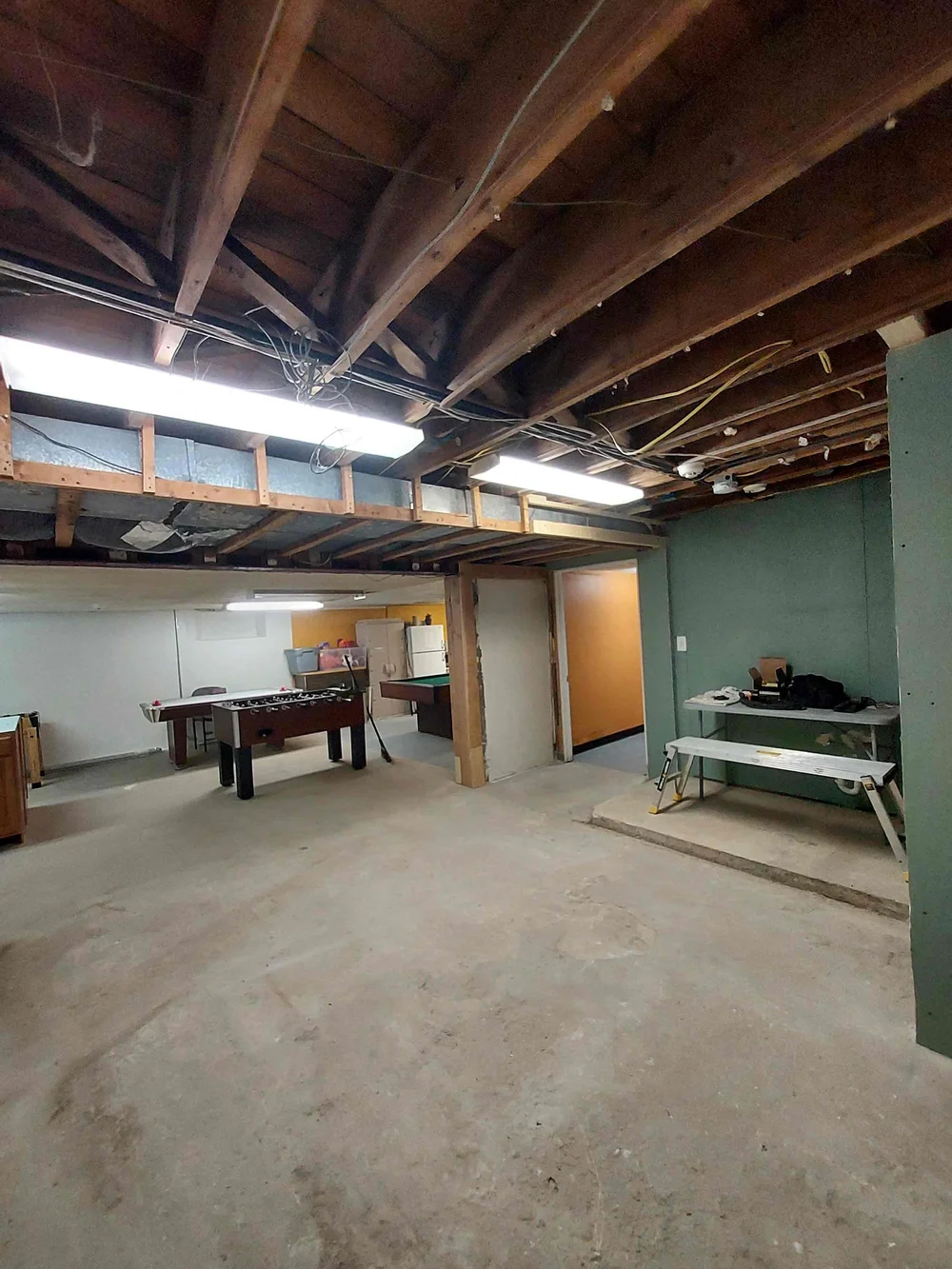
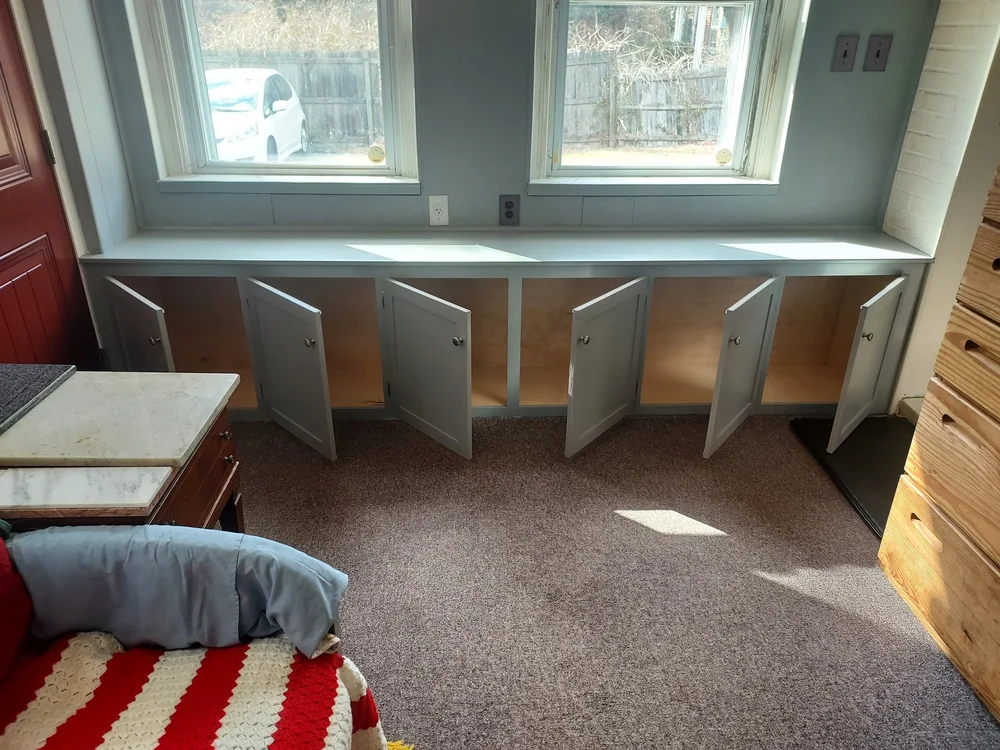
Floor paint fails from underneath. On a basement slab, moisture coming up through the concrete lifts the paint in blisters and flakes. On a porch, water soaking into the boards peels it at the seams and along the front edge. A floor holds its paint when it is dry, sound, and clean before the first coat goes down.
Basement slabs and porch floors are the painting we take on. Jimmy Grubb looks at the slab or the boards in person before anything is priced or opened.
A Family Business From Basement Slab to Front Porch
Moisture first
A slab is checked for water coming up through it before paint goes on.
Basement and porch alike
The slab under the house and the porch out front, each prepared for what it sits on.
Grit for porches
Non-slip texture is an option on the last coat.
What the Paint Is Sitting On Matters Most
Paint on a floor takes foot traffic, grit, furniture legs, and water from below or above. Concrete and wood each let go of it in their own way, and so does a floor painted once already.
Concrete basement floors
Concrete is porous. Water vapor from the soil beneath a basement slab rises through it and out of the top surface, and a coat of paint traps that vapor just under the film. Pressure builds, the paint blisters and then flakes away in patches. A white, powdery crust on bare concrete, called efflorescence, is salt left behind by water that has passed through, and paint does not bond to it. A smooth, hard-troweled slab gives paint little to grip, so the surface has to be cleaned and opened up before the first coat.
Wooden porch floors
A wooden porch floor fails where water stays. Paint lets go first at the seams between boards, at the cut ends along the front edge, and anywhere the porch has settled into a low spot that holds a puddle. Underneath, the cut end grain soaks up water. Each board is checked for rot, and paint over a rotted one only hides the problem for a season. Soft wood is found and repaired first, as carpentry ahead of the paint.
deck board repairFloors that were painted before
Repainting starts with the paint already there. Sound, well-bonded paint can be cleaned, roughened, and painted over. Peeling paint has already lost its grip, and new paint applied over it comes off with it, so the loose paint comes off first. The cause of the peeling matters as well: if it was moisture in the slab or water in the boards, a new coat will fail the same way unless that is addressed. A floor that would be better covered with tile or new boards is flooring work.
flooring installation and repairMoisture coming up through the slab
A slab can look dry and still be passing water vapor. One plain check is a square of clear plastic, about 2 feet on a side, taped tight to the bare floor at every edge and left in place for a day or so. Droplets under the plastic or concrete that has darkened beneath it indicate moisture rising through the slab. A slab that shows it is a poor candidate for paint until the source is understood.
The same look takes in cracks. Hairline shrinkage cracks are normal in concrete and can be filled before painting. A crack with one side higher than the other, or one that lets water in, is a sign of movement or a leak, and filling it does not fix either.
Wilmington row-home stoops, and porch boards on a pitch
A concrete stoop on a Wilmington row home takes foot traffic straight off the sidewalk, and in winter it takes rock salt as well. Salt and meltwater sit on the treads and work under paint at the front edge of each step first. So a stoop is washed clear of salt residue and left to dry before prep starts, and the worn nosings get the closest look, since that is where a new coat would let go first.
Wooden porch floors are laid as narrow tongue-and-groove boards, pitched toward the yard so rain runs off. Where a porch has settled, and the pitch has gone flat or turned back toward the house, water sits on the boards and in the grooves, and that is where the paint and then the wood go first.
Repairs, Prep, Coats and Cure
Slab or boards?
Text or call and say which it is: a basement slab, a concrete porch, or a wooden porch, and roughly how big.
A look at the floor
The slab is looked at for dampness, cracks, and old paint, or the porch boards are probed for soft spots. Then the job is priced.
Repairs come first
Soft porch boards are repaired or replaced, and cracks in the concrete are filled.
Prep, then paint in coats
The floor is cleaned, loose paint is removed, and the surface is roughened so the new paint can adhere. The edges and cuts along the walls go on first, then the open floor, in more than one coat with drying time between them.
Left to cure
The floor is left to cure before foot traffic, and longer before heavy things are set back on it.
Where the Floor Paint Goes
| Surface | What we do | Keep in mind |
|---|---|---|
| Concrete basement floor | Cleaned, prepared and painted | Checked for moisture first |
| Concrete porch or stoop | Cleaned, prepared and painted | Outdoor-rated floor paint for a surface that sees rain |
| Wooden porch floor | Prepared and painted | Soft boards dealt with before paint |
| Rotted porch boards | Repaired or replaced | Looked at before any paint goes down |
| Hairline cracks in concrete | Filled before painting | Moving or leaking cracks need more than filler |
| Peeling old floor paint | Loose paint removed | Sound old paint is roughened and painted over |
| Basement walls, porch ceilings, railings and trim | Not included | We paint the floor only |
| Water coming in through the floor | Not included | Paint is a finish, not a fix for water |
This work is for basement and porch floors only. We don't paint walls, ceilings, trim or siding, and we don't paint or stain open deck boards.
Kitchen cabinets are the one other painting job we do.
Floor Painting Prices and the Old Paint Factor
- Work
Basement or porch floor painting
Price$800 to $2,000 - Work
Rotted porch board repair before painting
PricePriced at the estimate
Old paint is a bigger variable than square footage. Bare, clean concrete needs less preparation than a slab covered in flaking paint that has to be removed, and a porch with a few soft boards needs carpentry work before any paint goes down. Cracks to fill and things that can't be moved off the floor and have to be painted around add time.
Jimmy prices every project in person at your home, never from a photo or a text. Project estimates are free and are usually scheduled in the evening.
Our warranty
Our work carries a one-year workmanship warranty, dated from the day the job is finished.
What Our Google Reviews Say
More reviews from our customers, straight from Google.
Paint Over a Basement Slab or a Porch Board
No. Paint sits on the surface; it does not hold back water pushing through a crack or seeping up along the edge of the slab. The water has to be stopped first, and that is a different job from ours. A floor that stays dry through a wet stretch is the one worth painting.
Later than the floor feels ready. On a cool, damp basement floor, paint cures slower than the room-temperature figure on its label, so heavy furniture waits longer down there than it would upstairs.
A painted floor is smoother than bare wood or concrete, and smooth paint gets slick in the rain. A fine grit added to the last coat gives shoes something to hold. Ask about it at the estimate if the porch sees rain or the steps lead straight onto it.
Not always. New pressure-treated lumber can arrive still wet from treatment, and paint on wet wood peels. A few drops of water sprinkled on the board show where it stands: water that soaks in means the wood is dry enough, and water that beads up means it needs more time.
They stay where they are. Equipment that is fixed in place is painted around, and the floor under it is left as it is. Boxes, shelving, and anything else that can move should be off the floor before the prep starts.
Try the Plastic Test Before Jimmy Visits
Tape a square of plastic to a bare spot on the basement floor a day before the estimate, and look under it with Jimmy when he arrives. For a porch, there is nothing to prepare beyond clearing the chairs.
Precision Home Worx · Based in Claymont, DE · (302) 321-3577 (call or text) · Monday through Sunday, 7 a.m. to 8 p.m.
Delaware business license #223872998 · General liability insurance and RLI surety bond #LMS1971327
Serving Wilmington, Claymont, North Wilmington, Hockessin, Pike Creek, Greenville, Newark, New Castle, Bear and the rest of northern Delaware.
Related services
The main service
Flooring installation and repairRelated work
Where we work
Under and around the floor
Where we paint basement and porch floors
Basement and porch floors painted in Wilmington, Claymont, North Wilmington, Elsmere, Newport, Pike Creek, New Castle and Newark.

